Shock Treatment in Hot Tubs: What It Does for You
Discover what shock treatment does for hot tub water. Learn types (chlorine vs MPS), how it works, safety tips and best practice for clear, odour‑free water.
Nearly one in three British hot tub owners report confusion about proper shock treatment methods. Hot tubs are meant to be a place for relaxation, yet neglected water care can turn a refreshment ritual into a health concern. Understanding how shock treatment works and when to use it is crucial for keeping your spa water clean, safe, and free from hidden contaminants. Discover the key steps and practical tips that make spa maintenance simple and effective.
Table of Contents
- What Shock Treatment Means For Hot Tubs
- Differences Between Chlorine And Non‑Chlorine Shock
- How Shock Treatment Works In Spa Water
- When And How Often To Use Shock Treatment
- Practical Safety And Post‑Treatment Steps
Key Takeaways
| Point | Details |
|---|---|
| Importance of Shock Treatment | Regular shock treatments are essential for maintaining hygienic and clear hot tub water by eliminating contaminants and reactivating sanitiser levels. |
| Chlorine vs Non-Chlorine Shock | Chlorine shock treatments provide intense sanitisation but may irritate skin, while non-chlorine options offer a gentler, odourless alternative. |
| Frequency of Use | It is recommended to shock your hot tub at least once a week, with more frequent treatments after heavy usage or specific scenarios compromising water quality. |
| Post-Treatment Safety | After shock treatment, ensure chemical levels stabilise before use, and test water with a reliable kit to confirm safety prior to bathing. |
What shock treatment means for hot tubs
Hot tub shock treatment is a critical maintenance process designed to eliminate organic contaminants and restore water clarity. Water shock treatments involve introducing a powerful oxidising agent that breaks down unwanted substances, ensuring your spa remains hygienic and safe for use.
The primary purpose of shock treatment is comprehensive water sanitisation. When you add shock chemicals to your hot tub, they rapidly destroy bacteria, algae, and other microorganisms that standard sanitisers might miss. This process reactivates chlorine or bromine levels, effectively resetting your water’s chemical balance. How to shock a hot tub naturally can help maintain water quality without relying solely on harsh chemical treatments.
Regular shock treatments offer multiple benefits for hot tub owners. They help prevent the build-up of organic contaminants like body oils, sweat, cosmetics, and other residues that can accumulate in your spa water. By oxidising these substances, shock treatments eliminate unpleasant odours, reduce potential skin irritants, and maintain crystal-clear water. Performing shock treatments consistently helps extend the lifespan of your hot tub equipment and ensures a more enjoyable, hygienic soaking experience.
Differences between chlorine and non‑chlorine shock
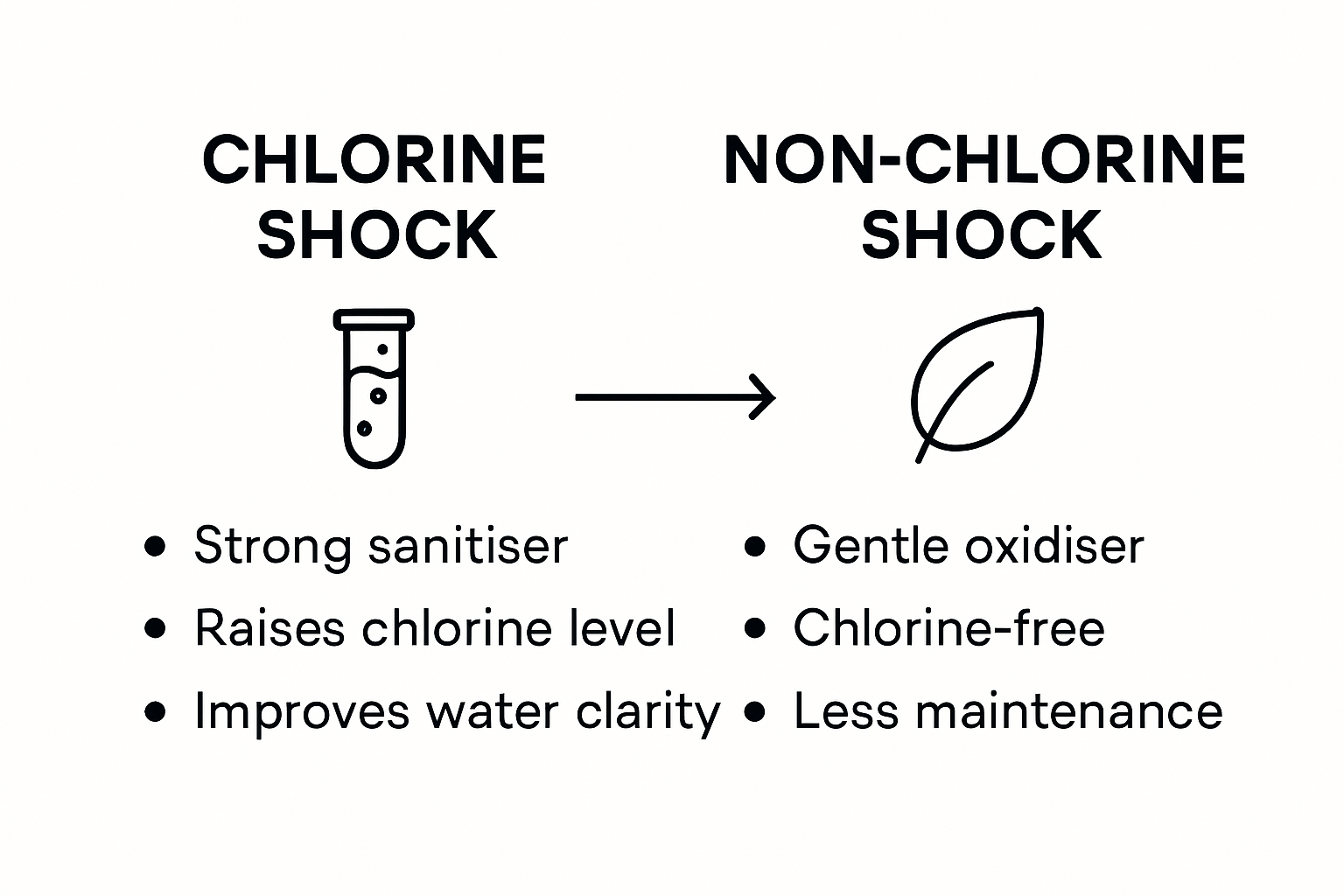
Chlorine and non-chlorine shock treatments represent two distinct approaches to maintaining hot tub water quality, each with unique characteristics and benefits. Chlorine shock treatments utilise a high-concentration chlorine dose to break down organic contaminants, effectively eliminating bacteria and resetting water sanitisation levels.
Non-chlorine shock treatments, by contrast, employ alternative oxidising agents like potassium peroxymonosulfate to cleanse water without increasing chlorine concentration. This method is particularly beneficial for hot tub owners sensitive to chlorine or seeking a gentler water treatment approach. These treatments rapidly oxidise organic substances, neutralise contaminants, and reactivate existing sanitisers without the strong chemical odour associated with traditional chlorine shocking.
The key differences between chlorine and non-chlorine shock treatments extend beyond their chemical composition. Chlorine shock treatments tend to be more aggressive, providing intense sanitisation but potentially causing skin irritation or bleaching of swimwear. Non-chlorine shock treatments offer a milder alternative, maintaining water clarity and hygiene while being more gentle on both bathers and hot tub surfaces. Water shock treatments require careful selection based on individual hot tub maintenance needs, water usage, and personal preferences regarding chemical sensitivity.
How shock treatment works in spa water
Shock treatment operates as a critical chemical process that transforms contaminated spa water into a pristine, hygienic environment. What is spa shock involves introducing powerful oxidising agents that break down organic materials and neutralise harmful microorganisms, effectively resetting the water’s chemical balance and sanitisation levels.
The mechanism of shock treatment centres on oxidation, a powerful chemical reaction that destroys unwanted substances at the molecular level. When the oxidising agent is introduced, it immediately begins targeting organic contaminants such as body oils, cosmetics, sweat, and bacterial residues. These compounds are rapidly broken down into smaller, less harmful molecules, which allows the spa’s existing sanitiser to work more effectively and maintain water clarity.
Chemically, the process works through a complex interaction between the shock treatment’s active ingredients and the spa water’s existing chemical environment. Spa non-chlorine shock treatments, for instance, use potent compounds that quickly neutralise contaminants without significantly altering the water’s overall chemical composition. By disrupting the molecular structure of organic materials, shock treatments ensure that your spa water remains clean, safe, and free from potentially harmful bacterial growth, providing a hygienic and refreshing bathing experience.
When and how often to use shock treatment
Frequency of shock treatment is crucial for maintaining optimal hot tub water quality and hygiene. Water shock treatments recommend a standard protocol of shocking your hot tub at least once per week, with additional treatments required after periods of heavy use or specific circumstances that might compromise water cleanliness.
The recommended shock treatment schedule varies depending on several key factors. Regular hot tub users should plan to shock their spa weekly, while less frequent users might manage with bi-weekly treatments. Critical moments demanding immediate shock treatment include: after multiple bathers have used the hot tub, following outdoor events where debris might enter the water, or when the spa has been unused for an extended period. These scenarios introduce higher levels of organic contaminants that can quickly degrade water quality and potentially harbour harmful bacteria.
Seasonal variations and usage patterns also influence shock treatment frequency. During summer months with increased hot tub activity, you might need to shock the water more frequently. Spa non-chlorine shock treatments offer flexibility in maintaining water hygiene, allowing hot tub owners to adjust their sanitisation approach based on specific environmental and usage conditions. By monitoring water clarity, odour, and overall condition, you can fine-tune your shock treatment routine to ensure a consistently clean and safe bathing environment.
Practical safety and post‑treatment steps
After completing a shock treatment, several critical safety protocols must be followed to ensure a safe and hygienic hot tub experience. Safe hot tub usage begins with allowing sufficient time for chemical levels to stabilise and return to safe ranges before bathing.
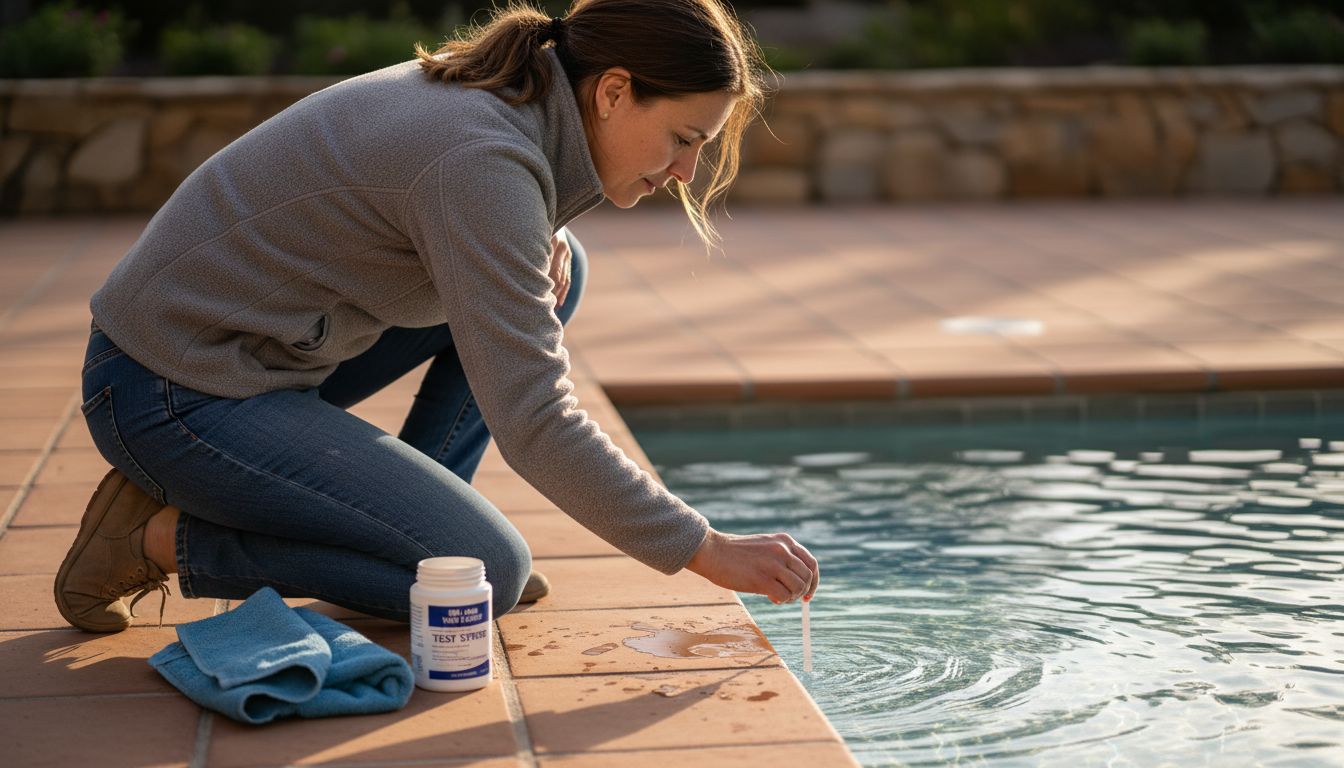
Practical post-treatment steps involve a systematic approach to water testing and chemical management. You should wait at least 20 to 30 minutes after shock treatment before testing water chemistry, using a reliable water testing kit to verify sanitiser levels have returned to acceptable ranges. Key parameters to check include pH levels, chlorine or bromine concentration, and overall water balance. Proper protective equipment like chemical-resistant gloves and eye protection is recommended when handling shock treatment chemicals to prevent potential skin or eye irritation.
Additional safety considerations involve proper ventilation during and after shock treatment. Always perform shock treatments in well-ventilated areas, keeping the hot tub cover open to allow chemical gases to dissipate. Pre-treat spa water methods can also help minimise the amount of shock treatment required, reducing potential chemical exposure and maintaining a more consistent water environment. By following these careful post-treatment steps, hot tub owners can ensure a safe, clean, and enjoyable bathing experience.
Keep Your Hot Tub Sparkling with Expert Water Treatment Solutions
Shock treatment is essential for breaking down organic contaminants, restoring water clarity and sanitiser balance, and preventing skin irritation or unpleasant odours. If you have experienced challenges such as cloudy water, recurring bacteria, or the need for frequent shock treatments, ClearSpa can help you maintain a hygienic and crystal-clear hot tub environment effortlessly. Our carefully formulated hot tub chemicals and spa essentials optimise oxidation and sanitisation so you can enjoy every soak with confidence.
Explore our range of premium products designed to support effective water shock treatments and gentle spa non-chlorine shock options tailored to your specific needs. Don’t wait until your water quality declines - visit ClearSpa today to find the trusted water treatment solutions that keep your hot tub fresh, safe and inviting all year round.
Frequently Asked Questions
What is shock treatment in hot tubs?
Shock treatment in hot tubs involves adding a powerful oxidising agent to break down organic contaminants, ensuring the water remains hygienic, clear, and safe for use.
How often should I perform shock treatment on my hot tub?
It is recommended to shock your hot tub at least once a week, with additional treatments needed after heavy use or specific scenarios that may introduce contaminants, like outdoor events.
What is the difference between chlorine and non-chlorine shock treatments?
Chlorine shock treatments use concentrated chlorine to sanitise the water, while non-chlorine shock treatments utilise alternative oxidising agents, making them gentler and suitable for those sensitive to chlorine.
What steps should I take after performing a shock treatment?
After shock treatment, wait 20 to 30 minutes before testing the water chemistry. Ensure pH and sanitiser levels have returned to safe ranges before bathing, and ventilate the area properly to dissipate any chemical vapours.