Complete Guide to Why Pre-Treat Spa Water
Discover why pre-treating spa water matters, the benefits for hot tub owners, treatment methods, and common mistakes in this comprehensive guide.
Did you know that neglecting spa water pre-treatment can triple your risk of equipment breakdown and waterborne illness? Spa owners often overlook this vital step, yet skipping it can quickly turn any soak into a health hazard. Understanding how to pre-treat spa water gives you control over water safety and helps extend your hot tub’s lifespan, making every session worry-free and enjoyable.
Table of Contents
- What Pre-Treating Spa Water Means
- Common Methods for Pre-Treating Spa Water
- Benefits of Pre-Treating Your Hot Tub Water
- Risks of Skipping Pre-Treatment Steps
- Mistakes to Avoid When Pre-Treating Spa Water
Key Takeaways
| Point | Details |
|---|---|
| Importance of Pre-Treatment | Proper pre-treating of spa water is crucial for ensuring a clean, safe, and enjoyable experience for users. It helps prevent health risks and equipment damage. |
| Essential Methods | Key methods include water testing, chemical balancing, shock treatment, and sanitisation, all aimed at maintaining optimal water quality. |
| Health and Equipment Benefits | Regular pre-treatment protects spa equipment from damage and eliminates harmful bacteria, promoting user health and comfort. |
| Common Mistakes | Avoid inconsistent testing and improper chemical application to ensure effective pre-treatment and maintain water quality. |
What Pre-Treating Spa Water Means
Pre-treating spa water is the essential first step in maintaining a clean, safe, and enjoyable hot tub experience. This process involves preparing and balancing your spa water before introducing any users, ensuring optimal chemical conditions and preventing potential health risks. Think of pre-treatment like preparing a room before guests arrive - you want everything perfectly set up and welcoming.
At its core, pre-treating spa water means systematically adjusting water chemistry to create a stable and sanitised environment. This involves several critical steps: testing water pH levels, balancing alkalinity, sanitising the water, and removing potential contaminants. By addressing these factors proactively, you prevent issues like bacterial growth, mineral buildup, and equipment damage. Read our guide on spa water care to understand the full scope of water management.
The primary goals of pre-treatment include establishing the correct chemical balance, eliminating potential pathogens, and protecting both spa equipment and users. This means checking and adjusting factors like total dissolved solids, pH levels between 7.2 and 7.6, and ensuring proper sanitiser concentrations. Proper pre-treatment not only extends your spa’s lifespan but also guarantees a safe, comfortable soaking experience every single time.
Common Methods for Pre-Treating Spa Water
Pre-treating spa water involves several systematic methods designed to create a clean, safe, and balanced aquatic environment. The primary techniques include water testing, chemical balancing, shock treatments, and sanitisation protocols that work together to maintain optimal water quality and prevent potential health risks.
Here’s a summary of the main pre-treatment methods and their purposes:
| Method | Main Purpose | Key Actions |
|---|---|---|
| Water Testing | Assess chemical balance | Test pH Check alkalinity Monitor sanitiser |
| Chemical Balancing | Create stable water chemistry | Adjust pH Balance total alkalinity Manage hardness |
| Shock Treatment | Remove contaminants | Add oxidisers Break down organic matter |
| Sanitisation | Eliminate bacteria and pathogens | Use chlorine or bromine Maintain safe levels |
The first critical method is water testing, which involves using professional test strips or digital testing kits to measure key chemical parameters. These tests check pH levels, alkalinity, calcium hardness, and sanitiser concentrations. Most spa owners perform these tests weekly, ensuring the water remains within recommended ranges. When irregularities are detected, specific chemical adjustments become necessary. Learn more about effective water management in our water shock treatments article.
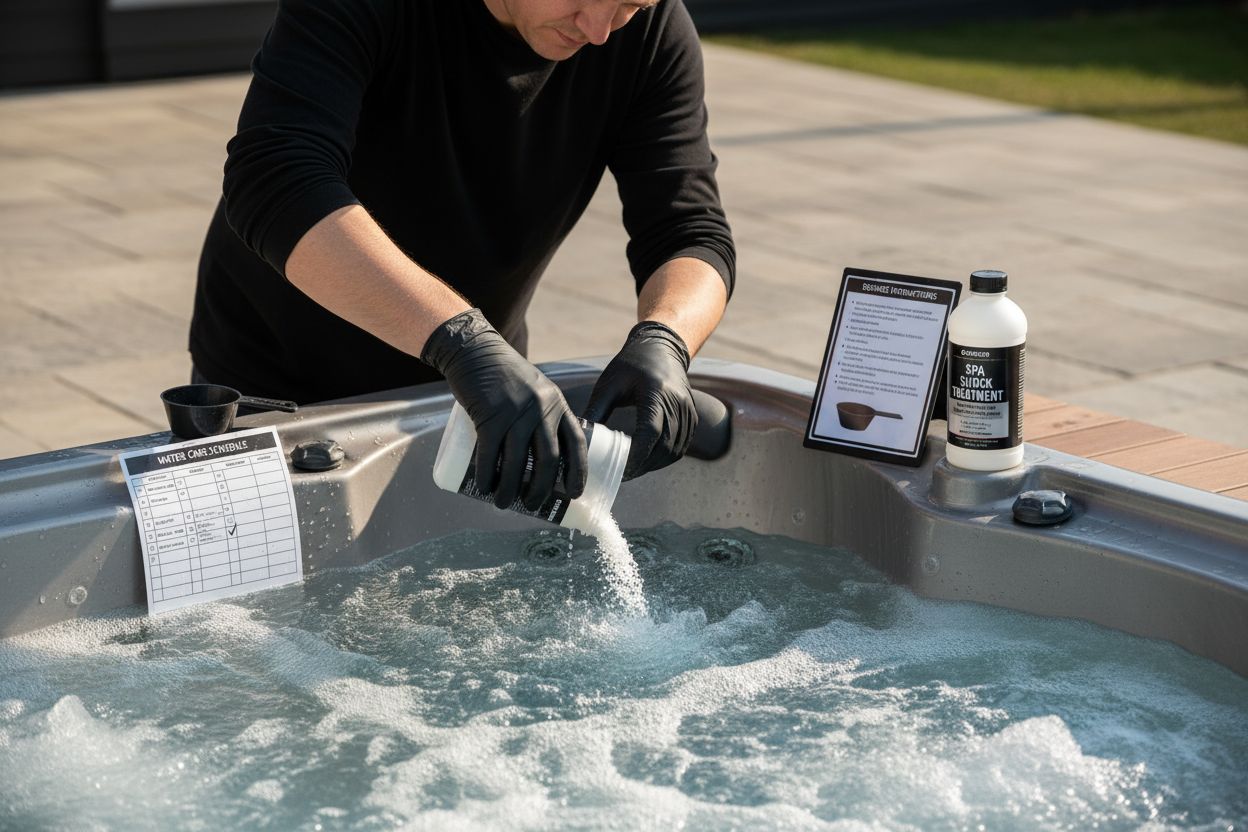
Another essential pre-treatment method is shock treatment, which involves adding a high concentration of oxidising chemicals to eliminate contaminants, bacteria, and organic matter. This process helps reset water chemistry, breaking down oils, sweat, and other potential pollutants that accumulate during spa usage. Shock treatments typically involve chlorine or non-chlorine shock products, applied periodically to maintain water hygiene and clarity.
 By implementing these comprehensive pre-treatment methods, spa owners can ensure a safe, enjoyable, and long-lasting hot tub experience.
Benefits of Pre-Treating Your Hot Tub Water
Pre-treating your hot tub water offers numerous advantages that extend far beyond simple maintenance. By implementing a comprehensive pre-treatment strategy, spa owners can protect their investment, ensure user safety, and create a consistently enjoyable bathing experience. The benefits touch every aspect of hot tub ownership, from equipment longevity to personal health and comfort.
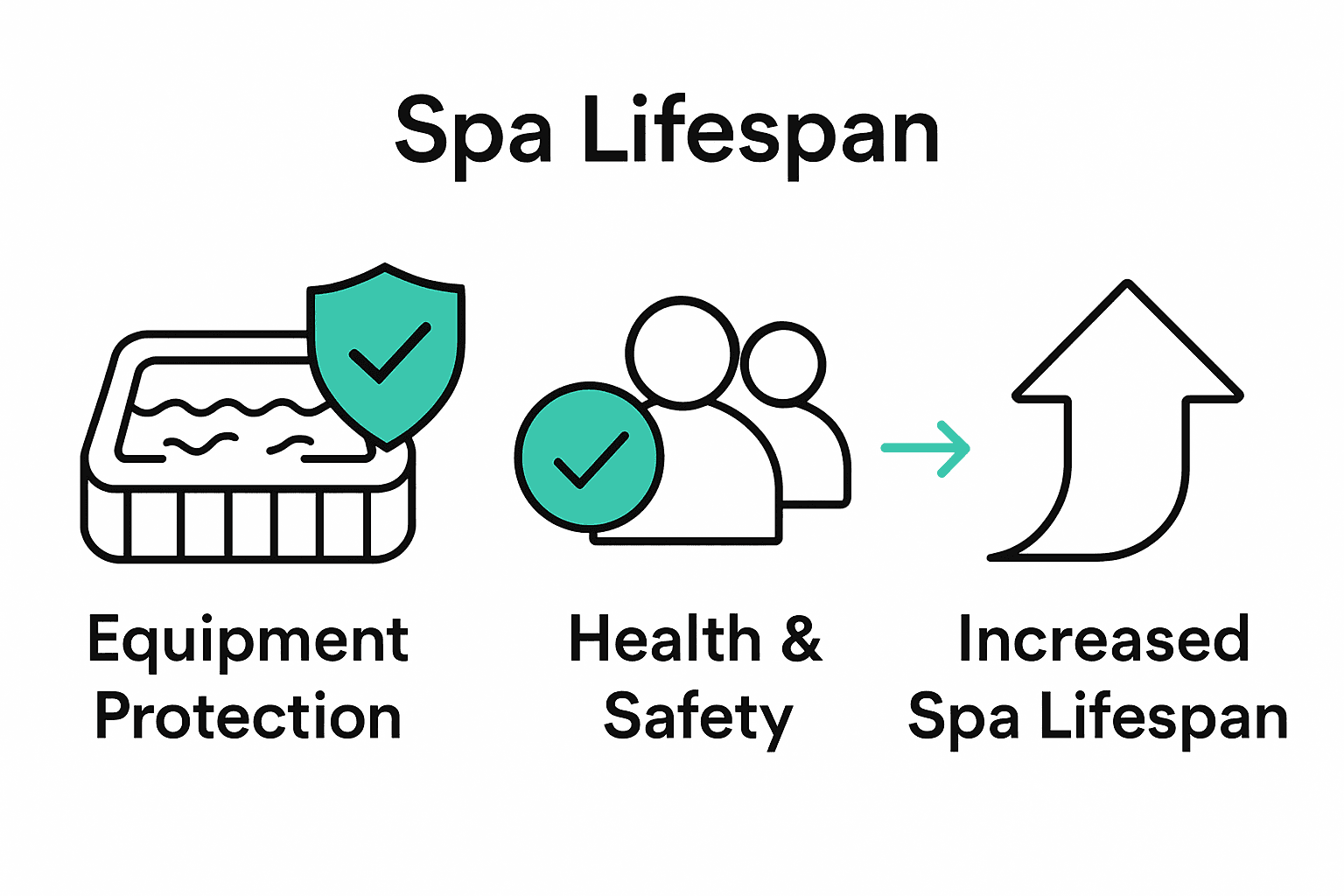
One of the most significant benefits is equipment protection. Regular pre-treatment prevents mineral buildup, scale formation, and corrosion that can damage expensive spa components like heaters, pumps, and jets. When water chemistry remains balanced, you reduce the risk of costly repairs and extend your hot tub’s operational lifespan. For detailed insights into maintaining optimal water balance, check out our guide on water balancing.
Additionally, pre-treatment provides critical health benefits by eliminating harmful bacteria, reducing potential skin irritants, and maintaining a safe bathing environment. Properly treated water prevents the growth of microorganisms that could cause infections or skin reactions. By consistently managing water quality, you create a hygienic space that promotes relaxation and well-being, transforming your hot tub from a potential health risk into a personal wellness sanctuary. The investment of time and effort in pre-treatment pays dividends in both equipment performance and user safety.
Risks of Skipping Pre-Treatment Steps
Neglecting pre-treatment steps in hot tub maintenance can lead to a cascade of serious problems that compromise both equipment functionality and user safety. Skipping these critical procedures transforms what should be a relaxing sanctuary into a potential health hazard and expensive maintenance nightmare. The consequences extend far beyond simple water quality issues, affecting everything from your spa’s mechanical components to the health of its users.
The most immediate mechanical risks involve rapid equipment deterioration. Without proper chemical balancing, mineral deposits and scale can accumulate in critical components like heaters, pumps, and jets. These buildups create friction, reduce efficiency, and ultimately lead to premature equipment failure. Corrosion accelerates when water chemistry remains unchecked, potentially causing thousands of pounds in repairs or complete spa replacement. For comprehensive insights into preventing these issues, explore our guide on water balancing.
Moreover, skipping pre-treatment introduces significant health risks. Untreated water becomes a breeding ground for harmful microorganisms like bacteria, fungi, and potentially dangerous pathogens. These can cause skin infections, respiratory issues, and other serious health complications. Unbalanced water chemistry can also lead to skin irritation, eye problems, and allergic reactions. By understanding and implementing proper pre-treatment protocols, spa owners can transform their hot tub from a potential health risk into a safe, enjoyable wellness space.
Mistakes to Avoid When Pre-Treating Spa Water
Pre-treating spa water requires precision and careful attention. Many hot tub owners unknowingly make critical errors that can compromise water quality, equipment performance, and user safety. Understanding these common mistakes is the first step towards maintaining a pristine and enjoyable spa environment.
One of the most significant pre-treatment errors is inconsistent or incorrect chemical testing. Many spa owners either test too infrequently or use unreliable testing methods, leading to imbalanced water chemistry. Relying on outdated test strips, guessing chemical levels, or testing irregularly can create dangerous conditions that damage both equipment and user health. For comprehensive guidance on proper maintenance, check out our maintenance expert insights.
Another critical mistake involves improper chemical application. Spa owners often add chemicals without understanding proper dosage, mixing incompatible products, or failing to allow sufficient time between different treatments. These errors can create dangerous chemical reactions, reduce sanitiser effectiveness, and potentially cause skin irritation or equipment damage. Successful pre-treatment demands a methodical approach: carefully measure chemicals, follow manufacturer instructions precisely, and maintain a consistent maintenance schedule to ensure your hot tub remains a safe and relaxing sanctuary.
Protect Your Hot Tub with Expert Water Pre-Treatment Solutions
Maintaining balanced and safe spa water is not just a task it is essential for protecting your investment and ensuring a blissful soaking experience. The article highlights key challenges such as improper chemical balancing, bacterial growth, and equipment damage that many spa owners face when they skip or mishandle pre-treatment steps. ClearSpa understands these pain points and offers a comprehensive selection of specialist hot tub chemicals and water treatment products designed specifically to tackle these issues head-on. From precise pH adjusters to powerful shock treatments you can trust our rigorously tested solutions to keep your spa water pristine and your equipment running smoothly.
Ready to transform your hot tub care routine? Discover how easy it is to prevent scale, corrosion, and health risks with ClearSpa’s trusted products. Visit ClearSpa today to explore our full range and learn more about maintaining perfect water balance with expert advice in our water balancing guide and keep your spa sparkling clean with tips from our water shock treatments article. Take control of your spa water quality now and enjoy every soak with complete confidence.
Frequently Asked Questions
What does pre-treating spa water involve?
Pre-treating spa water involves testing and balancing water chemistry, sanitising, and removing contaminants to create a safe and enjoyable environment before use.
Why is it important to pre-treat hot tub water?
Pre-treating hot tub water is essential for protecting equipment from damage, ensuring user safety by eliminating harmful bacteria, and maintaining optimal water quality for a pleasant bathing experience.
What are the common methods used for pre-treating spa water?
Common methods include water testing to check pH and alkalinity, chemical balancing to stabilise water chemistry, shock treatments to eliminate contaminants, and sanitisation to kill bacteria and pathogens.
What risks are associated with skipping pre-treatment steps?
Skipping pre-treatment steps can lead to rapid equipment deterioration, including mineral buildup and corrosion, as well as health risks such as skin infections and allergic reactions due to unbalanced or untreated water.