Complete Guide to Safe Hot Tub Usage UK
A guide to safe hot tub usage in the UK: proper temperature control, hygiene practices, water treatment and safety precautions for all users.
Nearly one in five British households now owns a hot tub, yet many overlook the simple practices that keep relaxation safe and stress-free. With water temperatures reaching soothing highs, it is easy to forget how quickly risks can arise without careful attention. This guide clears up common myths, highlights practical steps, and helps British families enjoy their soak with complete peace of mind.
Table of Contents
- What Is Safe Hot Tub Use
- Essential Safety Features And Equipment
- Water Maintenance And Hygiene Practices
- Health Precautions And Medical Advice
- Risks And Prevention Measures
- Energy And Running Cost Considerations
Key Takeaways
| Point | Details |
|---|---|
| Safe Usage Guidelines | Maintain water temperatures between 37-40 degrees Celsius, limit sessions to 15-20 minutes, and supervise children closely. |
| Essential Safety Features | Install lockable covers, anti-slip surfaces, and ensure proper electrical safety measures are in place. |
| Water Maintenance | Regularly test water chemistry, maintain hygiene protocols, and follow a strict cleaning schedule to prevent bacterial growth. |
| Health Precautions | Consult a healthcare professional if you have pre-existing medical conditions and avoid alcohol consumption before use. |
What Is Safe Hot Tub Use
Safe hot tub use involves understanding and implementing a comprehensive set of practices that protect your health and wellbeing while enjoying hydrotherapeutic relaxation. Hot tub safety guidelines are essential for preventing potential health risks and ensuring an enjoyable experience.
According to the Royal Society for the Prevention of Accidents (RoSPA), safe hot tub use fundamentally requires careful supervision and adherence to specific guidelines. Key safety parameters include maintaining appropriate water temperatures, limiting immersion time, staying hydrated, and avoiding alcohol consumption during use. Temperatures should typically remain between 37-40 degrees Celsius, with sessions restricted to 15-20 minute intervals to prevent potential heat-related complications.
Practical safety considerations extend beyond temperature management. Proper maintenance is crucial - water chemistry must be regularly tested and balanced to prevent bacterial growth. Users should shower before entering, avoid hot tub use when unwell, and ensure children are always supervised. The British and Irish Spa and Hot Tub Association recommends consistent water treatment and filtration to minimise health risks.
Ultimately, safe hot tub use combines personal responsibility with informed practices. Understanding potential risks, maintaining equipment, and respecting individual health limitations are fundamental to creating a secure and enjoyable hydrotherapy experience.
Essential Safety Features And Equipment
Safety features and equipment are critical components of responsible hot tub ownership, designed to protect users and prevent potential accidents. Hot tub safety guidelines emphasise comprehensive protective measures that go beyond simple water management.
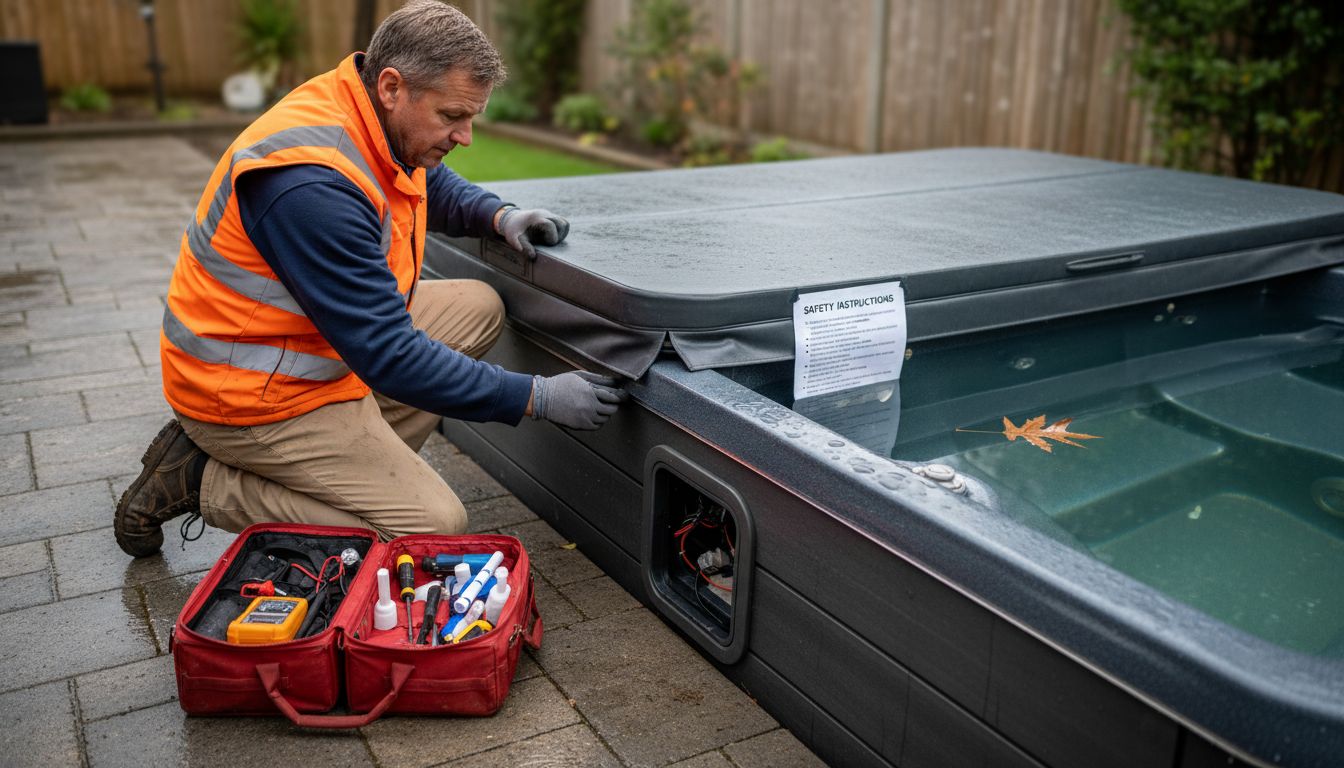
The Pool & Hot Tub Alliance highlights several essential safety features that every hot tub owner should prioritise. Critical protective equipment includes robust, lockable covers that prevent unauthorized access, particularly from children or pets. Anti-slip surfaces around the hot tub perimeter are crucial for reducing the risk of falls, while adequate lighting ensures visibility during evening or low-light usage.
Electrical safety represents another paramount consideration. Ground fault circuit interrupter (GFCI) protection is mandatory, automatically cutting power in the event of electrical irregularities. Additional recommended safety equipment includes:
- Sturdy handrails for safe entry and exit
- Non-slip mats surrounding the hot tub
- Emergency shut-off switches
- Clear safety signage with usage instructions
- First aid kit positioned nearby
Royal Society for the Prevention of Accidents (RoSPA) recommends regular equipment inspections to ensure all safety mechanisms remain functional. This includes checking cover locks, examining electrical connections, and verifying that warning signs are clearly visible and legible. Proper maintenance of these safety features is not just advisable - it’s essential for creating a secure hydrotherapeutic environment.
Water Maintenance And Hygiene Practices
Water maintenance is a critical aspect of responsible hot tub ownership, directly impacting user health and overall enjoyment. Hot tub chemical management requires consistent attention and systematic approach to prevent bacterial growth and ensure a safe hydrotherapeutic environment.
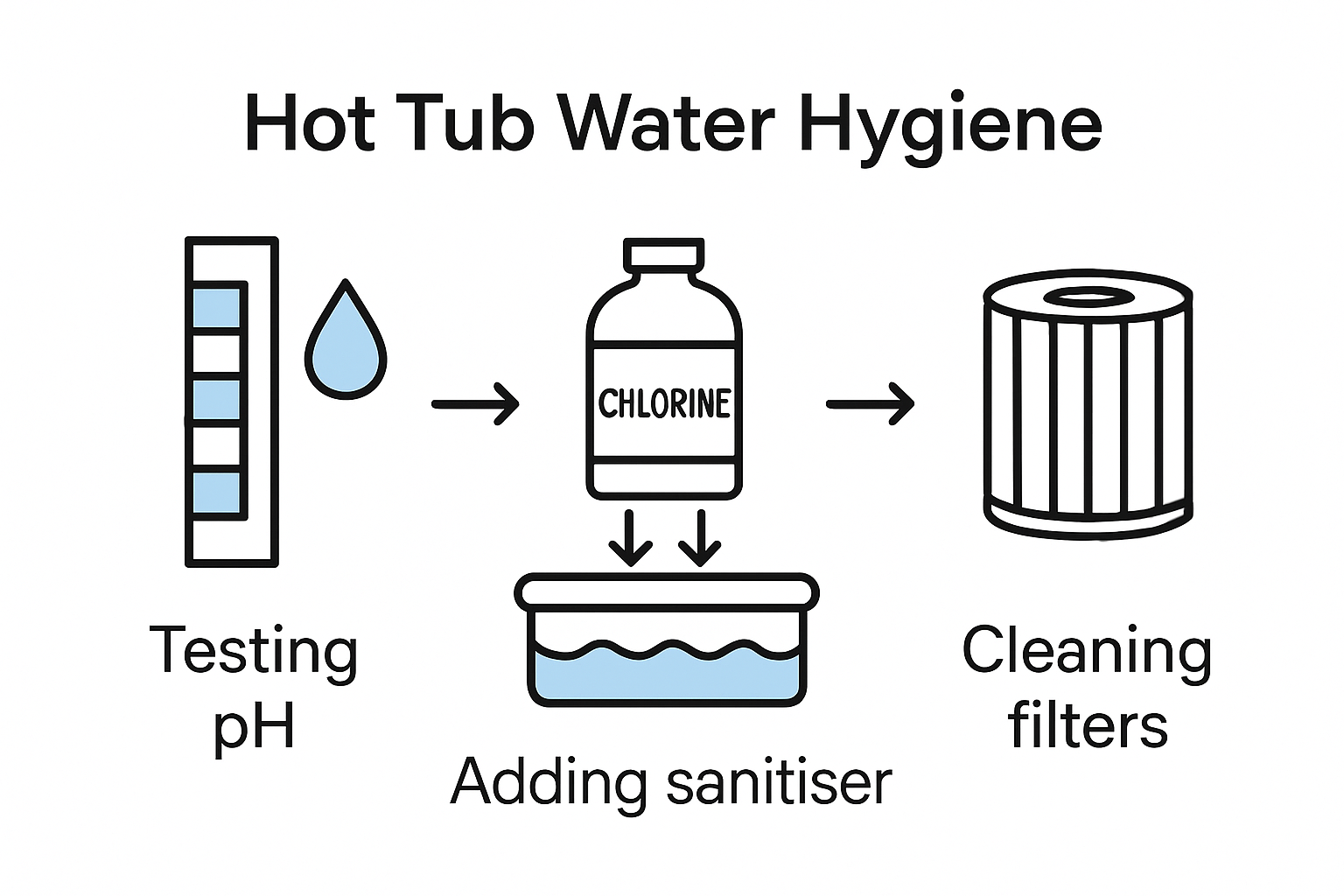
The British and Irish Spa and Hot Tub Association (BISHTA) emphasises the necessity of regular water testing and balanced chemistry. Proper sanitisation practices are fundamental to preventing potential infections. Users should conduct comprehensive water quality tests at least twice weekly, checking critical parameters such as:
- pH levels (ideal range 7.2-7.6)
- Chlorine or bromine concentrations
- Total alkalinity
- Calcium hardness
- Presence of contaminants
Royal Society for the Prevention of Accidents (RoSPA) recommends additional hygiene protocols to maintain water quality. Users should shower before entering the hot tub to remove oils, cosmetics, and potential contaminants. Implementing a strict cleaning schedule, including filter replacements and thorough water drainage every three to four months, helps prevent bacterial accumulation and maintains optimal water conditions. Regular maintenance not only protects user health but also extends the lifespan of your hot tub equipment.
Health Precautions And Medical Advice
Navigating hot tub usage requires careful consideration of individual health circumstances. Hot tub safety guidelines emphasise the importance of understanding personal health limitations and potential risks before immersion.
Certain medical conditions demand extra caution. Health recommendations highlight specific groups that should exercise heightened awareness or seek medical consultation prior to hot tub use. These include:
- Pregnant women
- Individuals with cardiovascular conditions
- People with compromised immune systems
- Those managing chronic respiratory diseases
- Individuals taking medications that affect temperature regulation
The Royal Society for the Prevention of Accidents (RoSPA) strongly advises consulting healthcare professionals before hot tub usage, particularly for individuals with pre-existing medical conditions. Specific health considerations include potential risks of:
- Overheating
- Blood pressure fluctuations
- Potential interactions with prescription medications
- Risk of fainting or dizziness
- Compromised immune response
Additionally, users should be mindful of alcohol consumption and its dangerous interactions with hot water immersion. Intoxication significantly increases risks of accidents, reduced body temperature regulation, and potential drowning. Responsible hot tub usage demands a comprehensive understanding of one’s personal health status and potential limitations.
Risks And Prevention Measures
Hot tub safety requires comprehensive understanding of potential risks and proactive prevention strategies. Hot tub safety guidelines emphasise the critical importance of identifying and mitigating potential hazards before they become dangerous situations.
The Royal Society for the Prevention of Accidents (RoSPA) identifies several primary risk categories that demand careful attention. Critical prevention measures address potential risks such as:
- Drowning hazards
- Bacterial infections
- Overheating
- Slip and fall accidents
- Electrical malfunctions
- Hypothermia
- Chemical exposure
Prevention requires a multi-layered approach. Key strategies include maintaining appropriate water temperature (typically between 37-40 degrees Celsius), limiting immersion time to 15-20 minutes, ensuring proper water chemistry, and implementing strict supervision protocols. The British and Irish Spa and Hot Tub Association recommends additional preventive actions:
- Install secure, lockable covers
- Use non-slip surfaces around hot tub areas
- Maintain clear, well-lit surrounding environments
- Regularly inspect electrical connections
- Keep emergency contact information nearby
Ultimately, risk management in hot tub usage demands constant vigilance, personal responsibility, and a proactive approach to safety. Understanding potential hazards and implementing comprehensive prevention strategies can transform a potentially dangerous environment into a secure and enjoyable hydrotherapeutic experience.
Energy And Running Cost Considerations
Hot tub energy management represents a significant consideration for potential owners, with running costs directly impacting long-term financial planning. Hot tub operational guidelines emphasise the importance of understanding potential electricity consumption and associated expenses.
Typical hot tub energy consumption varies depending on several critical factors. Running cost calculations typically involve assessing elements such as:
- Insulation quality
- Size of the hot tub
- Frequency of use
- Local electricity rates
- Ambient temperature
- Heating efficiency
- Cover quality
Annual running costs can range significantly, with average estimates suggesting between £300 to £900 per year for a typical household hot tub. Energy-efficient strategies can help mitigate these expenses:
- Invest in high-quality thermal covers
- Maintain consistent water temperature
- Use economy mode during off-peak hours
- Regularly service heating elements
- Improve surrounding insulation
- Choose energy-efficient models
Ultimately, thoughtful selection and strategic management can transform hot tub ownership from a potentially expensive endeavour into an economically sustainable leisure investment. Careful consideration of initial purchase price, ongoing maintenance, and energy consumption will provide the most comprehensive financial perspective.
Elevate Your Hot Tub Safety and Enjoyment with ClearSpa
Navigating the complex requirements of safe hot tub use can feel overwhelming. From maintaining correct water chemistry and temperature controls to ensuring proper hygiene and preventing accidents, the challenges are many. This article highlights crucial concerns such as chemical balance, electrical safety, and personal health considerations - all essential for a secure and relaxing experience. Avoid risks like overheating, bacterial infections, and equipment malfunctions by taking proactive steps with trusted solutions.
Take control of your hot tub safety today with ClearSpa’s range of premium water treatment products and spa essentials. Our expertly tested hot tub chemicals help you maintain crystal-clear and safe water, while our accessories support optimal hygiene and equipment care. Discover how simple it can be to transform your hydrotherapy experience into a secure and revitalising ritual. Browse our collection now at ClearSpa and reinforce your safety for peace of mind. For detailed guidance on maintaining perfect water conditions explore our hot tub chemical management resources and learn best practices on water maintenance to safeguard your wellness.
Visit ClearSpa to find everything you need for safe hot tub enjoyment.
Frequently Asked Questions
What are the recommended temperature and time limits for safe hot tub use?
The recommended water temperature for safe hot tub use is typically between 37-40 degrees Celsius. It’s advisable to limit immersion time to 15-20 minute intervals to prevent overheating and related complications.
How can I maintain good water quality in my hot tub?
To maintain good water quality, regularly test and balance the water chemistry, focusing on pH levels, chlorine or bromine concentrations, and total alkalinity. Showering before entering, along with a strict cleaning schedule, helps prevent bacterial growth and contaminants.
What are the essential safety features I should have for my hot tub?
Essential safety features include a robust, lockable cover, anti-slip surfaces, adequate lighting, sturdy handrails, and emergency shut-off switches. Regular inspections of these safety mechanisms ensure they remain functional and effective.
What precautions should I take if I have a medical condition?
If you have a medical condition, it’s crucial to consult a healthcare professional before using a hot tub. Specific risks can include overheating and blood pressure fluctuations, especially for pregnant women and those with cardiovascular or respiratory issues.