What Is Spa Shock? Meaning, Uses and Dosing Explained
What is spa shock? This guide covers types of spa shock, how it works, application steps, safety precautions and common mistakes for UK hot tub users.
Did you know that hot tubs can harbour up to 100 times more bacteria than a typical swimming pool if not adequately cared for? Clean, sparkling spa water is not just about appearance. Protecting your health and your equipment depends on wise water treatment choices. By learning the real story behind spa shock and clearing up common myths, you gain the power to keep your spa safe, inviting, and hassle-free all year round.
Key Takeaways
| Point | Details |
|---|---|
| Role of Spa Shock | Spa shock is a vital water treatment that ensures a clean and safe hot tub by eliminating harmful contaminants. Regular super chlorination is essential, beyond just visible dirtiness. |
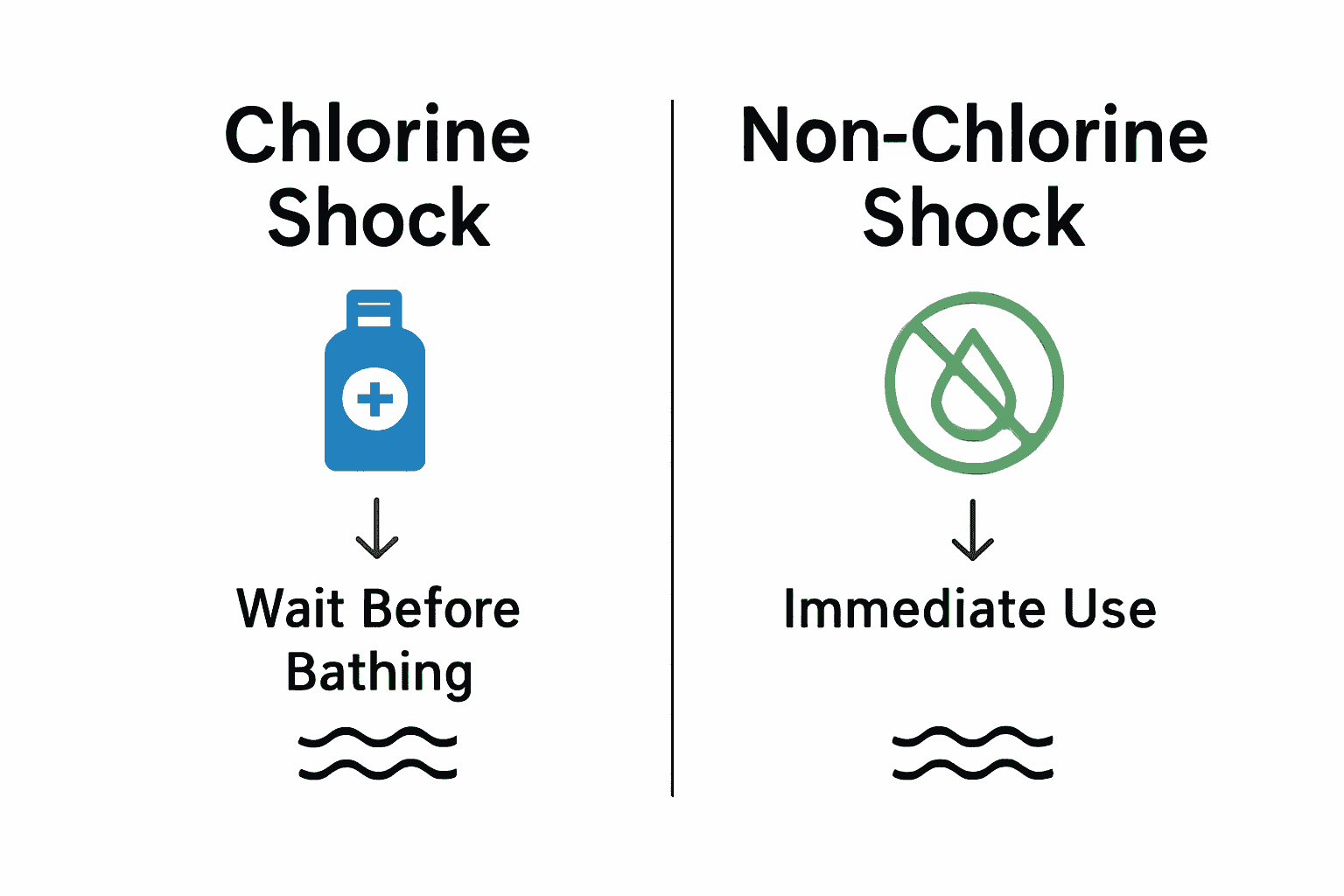
| Chlorine vs. Non-Chlorine Shock | Chlorine shock offers comprehensive sanitisation but requires waiting to bathe, while non-chlorine shock allows immediate use and maintains existing sanitiser levels. |
| Application Best Practices | Apply spa shock correctly by pre-dissolving granules, running the circulation pump, and maintaining proper chemical balance for effective water care. |
| Safety and Environmental Considerations | Always handle spa chemicals with care, use appropriate personal protective equipment, and follow disposal regulations to minimise environmental impact. |
Table of Contents
- Spa Shock Defined And Common Misconceptions
- Types Of Spa Shock: Chlorine Vs. Non-Chlorine
- How Spa Shock Works In Water Treatment
- How And When To Apply Spa Shock Properly
- Health, Safety, And Environmental Considerations
- Common Mistakes And Troubleshooting Tips
Spa Shock Defined and Common Misconceptions
Spa shock might sound dramatic, but it’s actually a straightforward water treatment process critical for maintaining a clean and safe hot tub environment. Spa shock is essentially a concentrated chlorine treatment designed to eliminate harmful contaminants and restore your spa water’s hygiene.
According to research from water treatment specialists, spa shock involves applying a higher-than-normal chlorine dose to destroy various unwanted elements. These include:
- Bacteria that can cause health risks
- Body oils and skin residues
- Sweat and personal care product remnants
- Organic debris that accumulates during spa use
Common misconceptions often prevent spa owners from maintaining their water quality properly. Many believe shock treatments are only necessary when water looks visibly dirty. Not true. Regular super chlorination is essential, typically recommended:
- When first filling your spa
- After reopening for the season
- Every two weeks during active use
- Immediately following heavy bathing sessions
By understanding and implementing proper spa shock techniques, you can ensure a hygienic, safe, and enjoyable hot tub experience. Read more about water shock treatments to maintain optimal spa water quality and protect your investment.
Types of Spa Shock: Chlorine vs. Non-Chlorine
When it comes to spa water maintenance, you have two primary shock treatment options: chlorine shock and non-chlorine shock. Understanding their unique characteristics helps you choose the right approach for your spa’s specific needs.
Chlorine Shock
Chlorine shock treatments are the traditional method of sanitising spa water. According to specialist research, chlorine shock involves super-chlorinating water by raising chlorine levels to 10-15ppm, which rapidly eliminates contaminants. Key characteristics include:
- Highly effective at destroying bacteria
- Raises chlorine levels dramatically
- Requires waiting until chlorine drops to around 5ppm before bathing
- Best for comprehensive deep cleaning
Non-Chlorine Shock
Non-chlorine shock, often based on Monopersulfate (MPS), offers an alternative approach. As water treatment experts note, this method oxidises contaminants without increasing sanitiser levels. Its benefits are significant:
- Rapidly removes organic and non-organic contamination
- Works alongside chlorine or bromine systems
- Reduces chloramines
- Restores water’s natural sparkle
- Allows immediate spa usage after treatment
Choosing between chlorine and non-chlorine shock depends on your spa’s specific requirements, frequency of use, and personal preference. Both methods play crucial roles in maintaining pristine water quality and ensuring a safe, enjoyable spa experience.
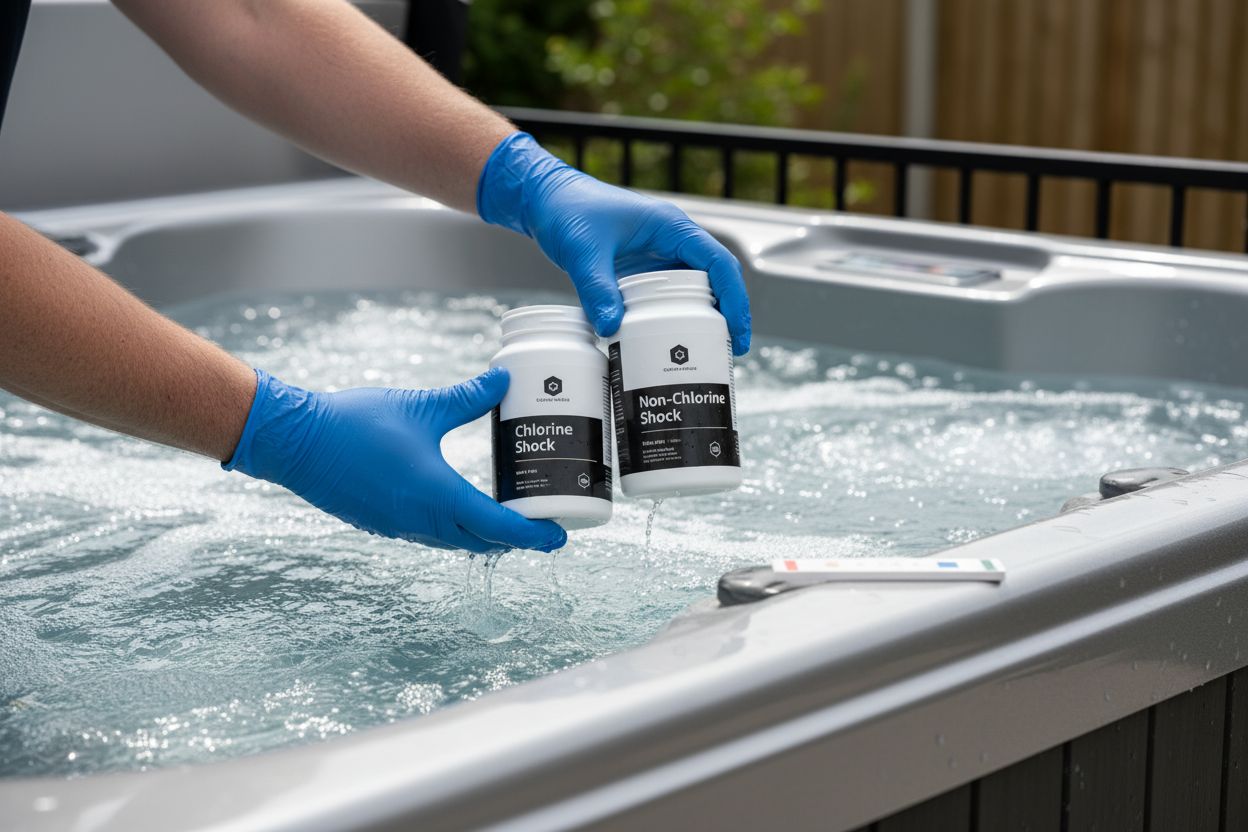
Here’s a comparison of chlorine shock and non-chlorine shock for spa water treatment:
| Feature | Chlorine Shock | Non-Chlorine Shock |
|---|---|---|
| Main Ingredient | Chlorine | Monopersulfate (MPS) |
| Key Action | Super-chlorinates Sanitises |
Oxidises contaminants |
| Contaminant Removal | Bacteria Organic debris |
Organic & non-organic debris |
| Water Re-entry Time | Wait until 5ppm chlorine |
Wait 20mins before use |
| Effect on Sanitiser | Raises chlorine levels | Maintains existing levels |
| Usage Frequency | Bi-weekly Heavy usage |
Weekly After heavy use |
| Water Clarity Impact | Restores clarity Kills bacteria |
Enhances sparkle Removes chloramines |
How Spa Shock Works in Water Treatment
Understanding how spa shock works is like giving your hot tub’s water a deep cleaning reset. It’s a critical maintenance process that goes beyond regular sanitisation to eliminate stubborn contaminants that standard treatments can’t handle.
The Chlorine Shock Process
According to water treatment specialists, chlorine shock operates through a powerful super-chlorination method. Water shock treatment fundamentally works by dramatically elevating chlorine concentration to destroy organic contaminants that typical sanitiser levels cannot eliminate. The process follows these key stages:
- Rapidly increase chlorine levels to 10-15ppm
- Aggressively break down accumulated organic debris
- Kill bacteria and microorganisms
- Oxidise contaminants embedded in spa water
- Allow chlorine to dissipate to safe bathing levels naturally
Non-Chlorine Shock Mechanism
Non-chlorine shock functions differently but equally effectively. As research indicates, this method acts as a powerful oxidiser that breaks down organic debris without increasing sanitiser levels. Its mechanism involves:
- Targeting chloramines (combined chlorine compounds)
- Refreshing water clarity
- Maintaining the existing sanitiser balance
- Providing a quick water treatment solution
- Enabling immediate spa usage after treatment
Think of spa shock like a reset button for your water. Whether you choose chlorine or non-chlorine methods, the goal remains the same: creating a clean, safe, and inviting spa environment that protects both your equipment and your health.
How and When to Apply Spa Shock Properly
Applying spa shock correctly is crucial for maintaining pristine water quality and ensuring a safe, enjoyable spa experience. Timing and technique matter more than you might think.
Chlorine Shock Application
Water management experts recommend a precise approach for chlorine shock treatment. According to specialist research, the process involves several critical steps:
- Pre-dissolve shock granules in warm water
- Add the mixture while the spa circulation pump is running
- Keep the spa cover off for two hours
- Run circulation until the water appears clear
- Wait until chlorine levels drop to around 5ppm before bathing
Typical scenarios requiring chlorine shock include:
- Initial spa filling
- Seasonal reopening
- After heavy usage
- Bi-weekly maintenance
Non-Chlorine Shock Guidelines
Non-chlorine shock offers a more flexible treatment option. Specialist research indicates it can be used:
- Weekly as a standard maintenance treatment
- Immediately after heavy spa usage
- Alongside existing sanitiser systems
- When you want minimal downtime
Key advantages of non-chlorine shock include rapid action, minimal impact on existing sanitiser levels, and quick water restoration. The goal is always the same: keeping your spa water crystal clear, safe, and inviting.
Health, Safety, and Environmental Considerations
When dealing with spa shock treatments, understanding the potential health, safety, and environmental implications is paramount. Chemical safety isn’t just about following instructions - it’s about protecting yourself, your loved ones, and your surrounding environment.
Personal Safety Precautions
Water treatment safety begins with proper handling and protective measures. Water treatment specialists emphasise several critical safety protocols:
- Always wear protective gloves and eyewear
- Work in a well-ventilated area
- Keep chemicals away from children and pets
- Store shock treatments in a cool, dry place
- Never mix different chemical treatments
Chemical Handling Guidelines
Specialist research highlights specific safety considerations for chlorine shock treatments. According to expert recommendations, you should:
- Pre-dissolve granules in a plastic container (never metal)
- Add chemicals with the spa circulation pump running
- Leave the spa cover off for proper aeration
- Wait until chlorine levels drop to safe bathing levels (around 5ppm)
- Test water chemistry before re-entering
Environmental Responsibility
Responsible spa maintenance extends beyond personal safety. Proper chemical disposal and mindful usage help minimise environmental impact. This means:
- Avoiding chemical runoff into gardens or drainage systems
- Using measured quantities to prevent waste
- Choosing environmentally friendly shock treatments
- Disposing of chemical containers according to local regulations
Remember, your spa shock routine is about creating a safe, clean environment - for you and the world around you.
Common Mistakes and Troubleshooting Tips
Even experienced spa owners can encounter challenges when managing spa shock treatments. Understanding common pitfalls helps you maintain optimal water quality and prevent potentially costly mistakes.
Dosage and Timing Errors
Water management experts highlight several critical mistakes spa owners frequently make:
- Overdosing on chemicals, thinking more is always better
- Shocking spa without proper water testing beforehand
- Neglecting to run circulation after shock treatment
- Using the incorrect shock type for your specific sanitiser system
- Ignoring the manufacturer’s recommended dosage instructions
Troubleshooting Water Quality Issues
When unexpected problems arise, follow these systematic troubleshooting steps:
- Test water chemistry comprehensively
- Identify specific imbalance (pH, sanitiser, alkalinity)
- Determine the appropriate correction method
- Apply targeted shock treatment
- Retest the water after 24 hours
Preventative Maintenance Strategies
Prevent common issues through proactive spa care:
- Establish a consistent shock treatment schedule
- Maintain proper chemical balance
- Clean filters regularly
- Monitor water clarity and odour
- Address minor issues before they escalate
Remember, successful spa maintenance is about consistency, attention to detail, and understanding your specific spa’s unique requirements.
Experience Worry-Free Spa Shock with ClearSpa Solutions
Is managing spa shock leaving you frustrated or worried about water clarity and safety? Many UK spa owners, just like you, struggle to find reliable water treatment products that effectively eliminate contaminants and balance sanitiser levels. With terms like chlorine shock and non-chlorine shock at the heart of your maintenance routine, you deserve peace of mind that you are choosing the best solution for your spa and your health.
Take the guesswork out of water care with ClearSpa, a Spa Trade Group Brand trusted across the UK. Explore our curated range of top-quality hot tub chemicals and spa essentials, all developed to tackle bacteria, organic debris and water clarity issues confidently. Secure a safer and more enjoyable spa experience - visit ClearSpa’s website today and transform your hot tub maintenance for good.
Frequently Asked Questions
What is spa shock, and why is it important?
Spa shock is a concentrated chlorine treatment designed to eliminate harmful contaminants in hot tub water, ensuring a clean and safe spa environment. It’s crucial for maintaining water hygiene and preventing health risks.
How often should I apply spa shock to my hot tub?
Spa shock treatments should be applied every two weeks during active use, immediately after heavy bathing sessions, when first filling your spa, or after reopening it for the season to maintain optimal water quality.
What is the difference between chlorine and non-chlorine shock treatments?
Chlorine shock dramatically raises chlorine levels to 10-15ppm to sanitise the water. In contrast, non-chlorine shock uses Monopersulfate (MPS) to oxidise contaminants without raising sanitiser levels, allowing for immediate spa use after treatment.
What safety precautions should I take when using Spa Shock?
When using spa shock, always wear protective gloves and eyewear, work in a well-ventilated area, keep chemicals out of reach of children and pets, and follow proper handling and disposal guidelines to ensure safety for both you and the environment.