Types of Spa Sanitizers: Complete Guide for UK Users
Types of spa sanitizers explained: discover chlorine, bromine, salt, and alternatives. Explore how each works, benefits, risks, and UK usage tips.
Almost every british spa owner faces the challenge of keeping water safe and crystal clear. With heated spa water offering an ideal breeding ground for bacteria, the Health and Safety Executive warns that improper management turns hot tubs into potential sources of infectious disease. Understanding the science behind spa sanitisers helps prevent health risks while ensuring a relaxing soak, as this guide reveals how each option protects british spa-goers and what you need to know before choosing a treatment.
Table of Contents
- Defining Spa Sanitizers and Their Role
- Primary Types of Spa Sanitizers Explained
- How Each Spa Sanitizer Works
- Benefits and Limitations of Different Sanitizers
- Choosing the Right Sanitizer for Your Spa
- Common Mistakes and Safety Recommendations
Key Takeaways
| Point | Details |
|---|---|
| Importance of Spa Sanitisers | Spa sanitisers are essential for eliminating harmful microorganisms and maintaining safe water quality, particularly in shared usage settings. |
| Types of Sanitizers | Chlorine and bromine are the primary sanitiser types, each with specific benefits and limitations influencing their effectiveness in different conditions. |
| Selection Criteria | When choosing a sanitiser, factors such as usage frequency, water temperature, and skin sensitivity must be considered to ensure optimal comfort and safety. |
| Common Mistakes | Consistent testing and proper chemical dosing are critical; avoiding common mistakes can greatly enhance spa maintenance and user experience. |
Defining Spa Sanitizers and Their Role
Spa sanitisers are specialised chemical treatments designed to eliminate harmful microorganisms and maintain safe water quality in hot tubs, spas, and hydrotherapy pools. HSE classifies these systems as potential sources of infectious diseases, highlighting the critical importance of proper water management and sanitisation.
Sanitisers work by destroying bacteria, viruses, algae, and other potentially dangerous microbes that can rapidly multiply in warm water environments. Their primary function goes beyond simple cleaning - they create a protective barrier that prevents the growth and spread of waterborne pathogens. This is especially crucial in spa settings where multiple users share the same water space, increasing the risk of cross-contamination.
Key roles of spa sanitisers include:
- Eliminating harmful microorganisms
- Preventing bacterial and algal growth
- Maintaining water clarity and quality
- Protecting user health and safety
- Extending equipment and surface longevity
As our spa chemicals guide explains, effective sanitisation requires understanding different chemical treatments and their specific applications. Professional spa owners and home hot tub enthusiasts must select appropriate sanitisers that balance effectiveness, user safety, and environmental considerations.
Primary Types of Spa Sanitizers Explained
Spa sanitisers are categorised into several primary types, with chlorine and bromine being the most commonly used chemical treatments in hot tub and spa water management. These chemical agents play a crucial role in destroying harmful microorganisms and maintaining water quality.
Chlorine Sanitisers remain the most traditional and widely used option for spa water treatment. They work rapidly to eliminate bacteria, viruses, and other potential pathogens. Why are hot tub bromine tablets so widely used? highlights that chlorine comes in multiple forms, including:
- Granular chlorine
- Chlorine tablets
- Liquid chlorine solutions
- Stabilised and unstabilised chlorine variants
Bromine Sanitisers offer an alternative to chlorine, particularly favoured for indoor spas and pools with higher water temperatures. Unlike chlorine, bromine remains active longer in warmer water conditions and produces fewer harsh chemical odours.
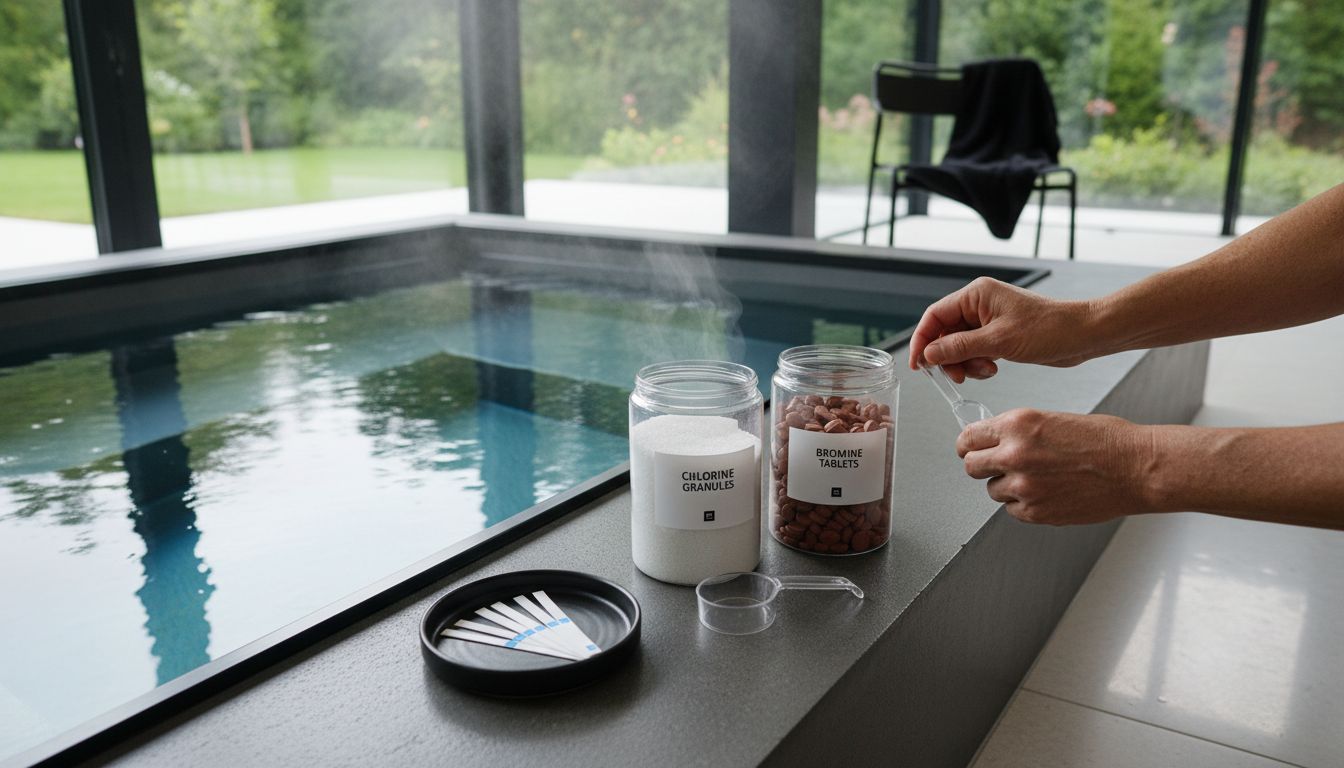 What are Bromine Granules? explains that bromine sanitisers are especially effective for users with sensitive skin or those seeking a milder chemical treatment.
Understanding the nuanced differences between these primary sanitiser types allows spa owners to make informed decisions about water treatment. Each sanitiser type offers unique benefits and considerations, making it essential to select the most appropriate option based on specific spa usage, water conditions, and personal preferences.
How Each Spa Sanitizer Works
Spa sanitisers function through complex chemical processes that neutralise and eliminate harmful microorganisms in water. Understanding Water Sanitizers reveals that these chemical agents work by breaking down cellular structures of bacteria, viruses, and algae, preventing their reproduction and survival in spa environments.
Chlorine Sanitisers operate through oxidation and ionisation processes. When chlorine is introduced to water, it creates hypochlorous acid, a powerful disinfecting agent that attacks microorganisms’ cell walls. This process effectively destroys pathogens by disrupting their internal structures and metabolic functions. Chlorine sanitisers work quickly, typically eliminating most harmful microbes within minutes of contact.
Key mechanisms of spa sanitiser action include:
- Oxidation of cellular membranes
- Disruption of microbial protein structures
- Neutralisation of enzymatic processes
- Prevention of bacterial and viral reproduction
- Continuous water purification
Bromine Sanitisers function similarly to chlorine but with some distinct advantages. Bromine remains more stable in higher temperatures and maintains its effectiveness longer in spa environments. Unlike chlorine, bromine continues to work effectively even after neutralising contaminants, making it a more persistent and reliable sanitisation method for hot tubs and spa systems. Maintaining Clean and Safe Spa Water highlights that bromine’s molecular structure allows it to continue attacking microorganisms even after initial contact, providing extended protection against potential water-based health risks.
Benefits and Limitations of Different Sanitizers
Each spa sanitiser type presents unique characteristics that impact its effectiveness, safety, and overall performance. Why are chlorine tablets so popular as a biocide provides insights into the complex decision-making process spa owners face when selecting their preferred water treatment method.
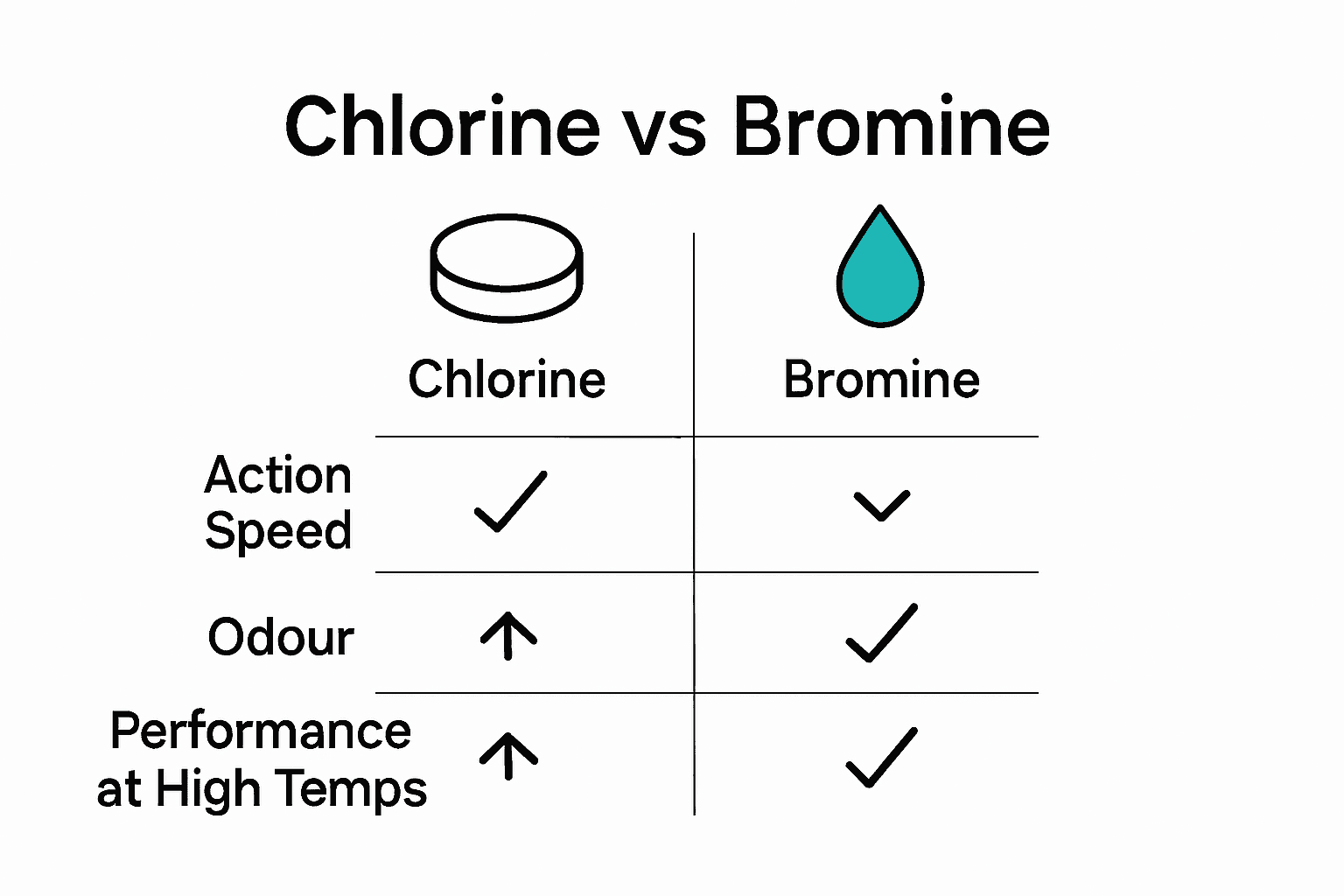
Chlorine Sanitisers offer several compelling advantages, including rapid microbial elimination and cost-effectiveness. However, they also come with notable limitations. Chlorine can produce strong chemical odours, potentially cause skin and eye irritation, and may degrade more quickly in warmer water temperatures. The chemical’s potency means careful dosage management is crucial to prevent overchlorination.
Key comparative aspects of spa sanitisers include:
- Initial cost of treatment
- Effectiveness against different microorganisms
- Stability in varying water temperatures
- Impact on user comfort and skin sensitivity
- Long-term maintenance requirements
Bromine Sanitisers demonstrate superior performance in high-temperature environments, making them particularly suitable for hot tubs and indoor spa systems. While typically more expensive than chlorine, bromine offers longer-lasting protection and produces less aggressive chemical odours. Stabilised Chlorine vs Un-stabilised Chlorine highlights that bromine’s molecular structure allows for more consistent sanitisation, with reduced likelihood of rapid chemical breakdown.
Ultimately, selecting the most appropriate spa sanitiser depends on individual preferences, specific usage conditions, and personal sensitivity to chemical treatments. Spa owners must carefully weigh the benefits and limitations of each sanitiser type to ensure optimal water quality and user comfort.
Choosing the Right Sanitizer for Your Spa
Selecting the ideal spa sanitiser requires careful consideration of multiple factors that impact water quality, user experience, and maintenance requirements. Ask An Expert - SPA Pool Maintenance emphasises the importance of understanding your specific spa environment before making a final decision.
Key Selection Criteria for choosing the right spa sanitiser include evaluating your unique circumstances. Consider factors such as:
- Frequency of spa usage
- Number of regular users
- Water temperature range
- Sensitivity to chemical treatments
- Budget for ongoing maintenance
- Available time for water management
Chlorine Sanitisers are recommended for spa owners seeking a cost-effective, fast-acting solution with widespread availability. They work exceptionally well in outdoor spas and environments with multiple users. However, individuals with sensitive skin or those preferring minimal chemical odour might find chlorine less appealing.
Bromine Sanitisers emerge as an excellent alternative for indoor spas, hot tubs with consistently high temperatures, and users with chemical sensitivities. What is the most critical pool chemical? suggests that bromine provides more stable protection, particularly in environments requiring prolonged sanitisation. While typically more expensive, bromine offers gentler water treatment with reduced skin and eye irritation, making it an attractive option for discerning spa owners seeking comprehensive water management.
Common Mistakes and Safety Recommendations
HSE provides critical guidance highlighting that spa water management involves more than casual maintenance - it requires systematic, careful approach to prevent potential health risks. Understanding common mistakes can significantly improve spa sanitiser effectiveness and user safety.
Critical Sanitisation Mistakes spa owners frequently encounter include:
- Inconsistent chemical testing
- Incorrect chemical dosage
- Neglecting regular water balance checks
- Overlooking filter maintenance
- Using expired or degraded sanitising products
Overchlorination and Underchlorination represent two extreme risks in spa water management. Overchlorination can cause skin irritation, equipment damage, and unpleasant chemical odours, while underchlorination leaves users vulnerable to harmful microbial growth. Precise chemical balance requires regular testing, typically using professional testing strips that measure pH, sanitiser levels, and overall water chemistry.
Safety Recommendations for responsible spa sanitiser usage include:
- Test water chemistry at least twice weekly
- Follow manufacturer’s recommended chemical dosages
- Clean and replace filters according to specifications
- Shower before spa usage to reduce contaminant introduction
- Maintain appropriate water temperature range
Professional spa maintenance demands vigilance. Even minor deviations in water chemistry can compromise user health and equipment integrity, making consistent, methodical approach crucial for safe, enjoyable spa experiences.
Discover the Perfect Spa Sanitiser with ClearSpa for Healthier, Safer Water
Choosing the right spa sanitiser can feel overwhelming when balancing water quality, user comfort, and safety concerns. This article highlights common challenges such as maintaining precise chemical balance and selecting between chlorine and bromine sanitisers that suit your spa usage and sensitivity. With the risks of overchlorination or underchlorination, and the need for regular water testing, you want trusted, effective solutions that simplify your spa care routine.
At ClearSpa, we understand these critical pain points. Our broad range of expertly formulated hot tub chemicals and spa essentials make it easier to maintain clear, healthy, and comfortable spa water every time. Whether you prefer the fast-acting power of chlorine or the gentle, long-lasting protection of bromine, we offer the highest quality products tested for reliability.
Elevate your spa experience and avoid common sanitisation mistakes by choosing ClearSpa today.
Explore our carefully selected collection now at ClearSpa. Make your spa water management effortless and enjoy peace of mind with products that deliver consistent results. Start shopping and see the difference that premium spa chemicals can bring.
Frequently Asked Questions
What are the main types of spa sanitisers?
The primary types of spa sanitisers are chlorine and bromine. Chlorine is a traditional choice known for its rapid action, while bromine is favoured for indoor spas due to its stability in warmer water and lesser odour.
How do chlorine and bromine sanitisers work in spas?
Chlorine works by oxidation and creates hypochlorous acid, effectively targeting and eliminating harmful microorganisms. Bromine, on the other hand, continues to be effective even after neutralising contaminants, providing extended protection against pathogens in warmer environments.
What are the advantages of using bromine over chlorine in spa sanitisation?
Bromine offers longer-lasting protection, generates fewer chemical odours, and remains effective at higher temperatures, making it ideal for indoor spas or hot tubs where users may have sensitive skin.
How often should I test the water chemistry in my spa?
It is recommended to test the water chemistry at least twice a week to ensure proper sanitisation levels and prevent issues such as overchlorination or microbial growth.