What Is Chlorine Granules? Complete UK Spa Guide
What is chlorine granules? This comprehensive guide covers definitions, types, how they work, safe usage, and key tips for UK hot tubs and pools.
Almost every hot tub owner worries about water safety and clarity, especially since bacteria can multiply rapidly in warm water. Chlorine granules are the trusted solution for over 80 percent of spa owners, delivering quick and powerful disinfection right where it’s needed most. Knowing how these granules work and which type to choose helps you protect your investment and enjoy a sparkling, safe soak every time.
Table of Contents
- Defining Chlorine Granules For Hot Tubs
- Types Of Chlorine Granules And Their Differences
- How Chlorine Granules Work In Water Treatment
- Safe Usage Guidelines And Legal Requirements UK
- Common Issues And Mistakes With Chlorine Granules
Key Takeaways
| Point | Details |
|---|---|
| Chlorine Granules for Sanitisation | Chlorine granules effectively sanitise hot tub water by releasing hypochlorous acid, which neutralises contaminants and maintains water clarity. |
| Types of Chlorine Granules | Key types include SDIC, Calcium Hypochlorite, and Lithium Hypochlorite, each suited for specific water treatment needs. |
| Safe Usage Guidelines | Follow strict safety protocols such as wearing protective gear and managing proper storage to ensure safe use of chlorine granules. |
| Common Mistakes to Avoid | Prevent issues by ensuring accurate chemical measurement, avoiding incompatible chemical mixing, and storing granules correctly. |
Defining Chlorine Granules for Hot Tubs
Chlorine granules are a powerful water sanitisation solution specifically designed for hot tubs and spa maintenance. As a critical chemical used in water treatment, chlorine granules play a significant role in eliminating harmful bacteria and ensuring a safe, clean bathing environment. According to gov.uk, chlorine is a reactive chemical widely used across various industries, including domestic cleaning products.
Chlorine granules are a concentrated, fast-dissolving form of chlorine specifically formulated for spa and hot tub water treatment. Unlike liquid chlorine or tablets, these granules offer precise dosage control and rapid dispersion throughout your hot tub water. They work by releasing active chlorine that quickly neutralises contaminants like bacteria, algae, and organic matter that can accumulate in warm water environments.
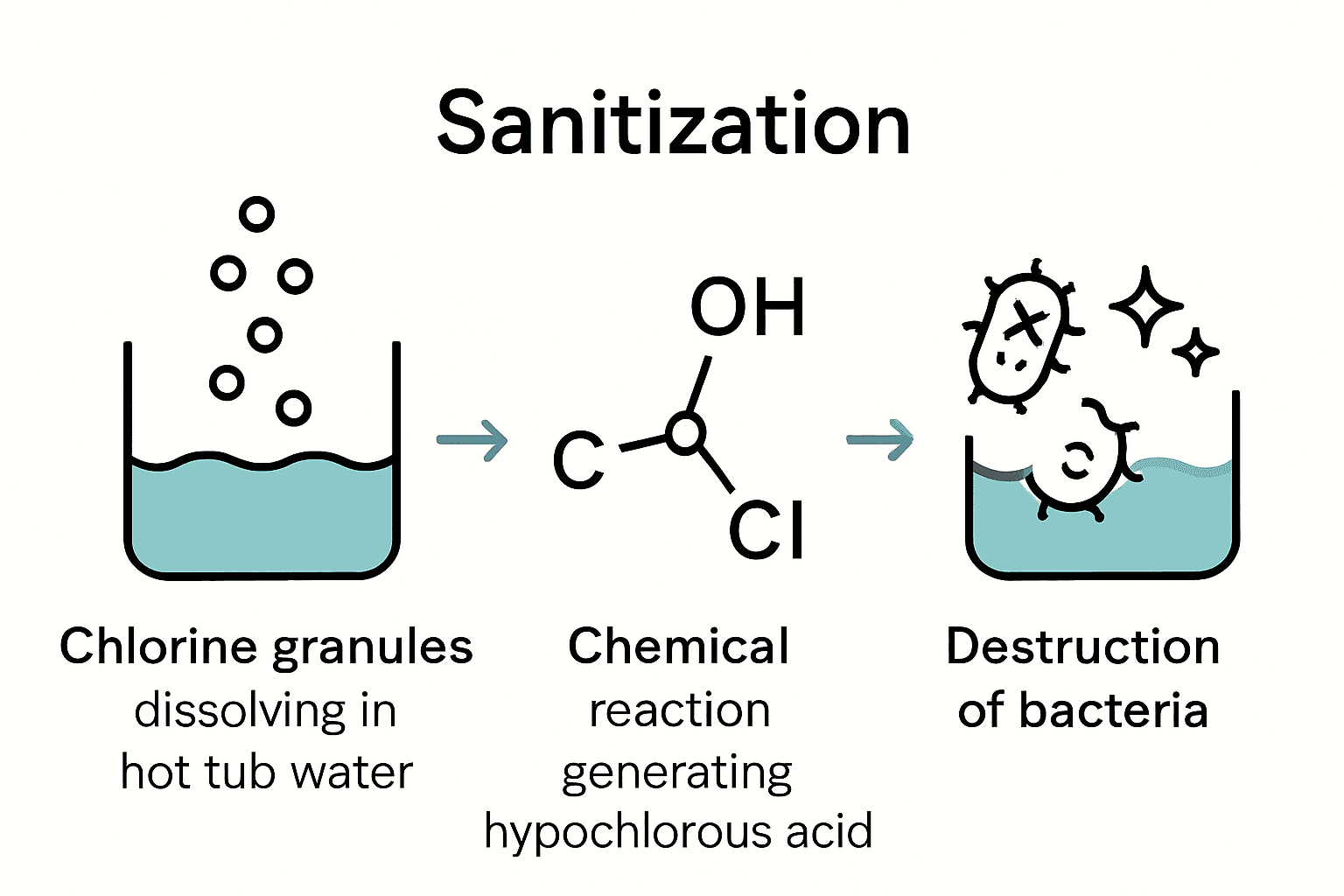
The primary function of chlorine granules is water sanitisation. When added to your hot tub, they break down into hypochlorous acid, a powerful disinfectant that targets and destroys microorganisms. This process helps maintain water clarity, prevents unpleasant odours, and reduces the risk of waterborne illnesses. For spa owners, using stabilised chlorine granules SDIC ensures consistent water quality and provides a straightforward approach to hot tub maintenance.
Key characteristics of chlorine granules include their:
- Quick dissolution rate
- Precise measurement capabilities
- High concentration of active chlorine
- Ease of use for spa and hot tub owners
- Ability to rapidly sanitise water
Understanding how to properly use and manage chlorine granules is crucial for maintaining a safe and enjoyable hot tub experience. Regular testing, correct dosage, and consistent application will help keep your spa water clean, clear, and ready for relaxation.
Types of Chlorine Granules and Their Differences
Chlorine granules come in several distinct types, each designed to address specific hot tub and spa water treatment needs. According to gov.uk, chlorine is a reactive chemical used across various industries, which highlights the importance of understanding its different formulations for precise water management.
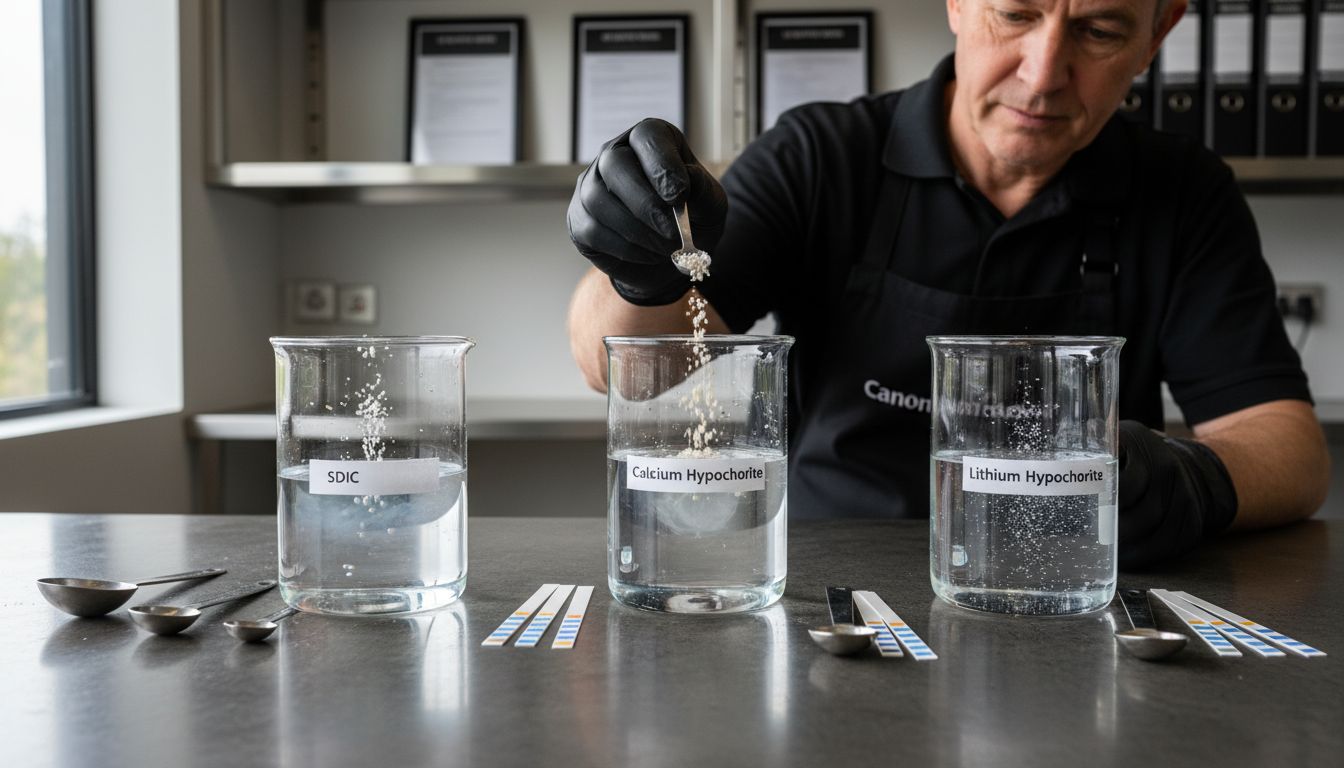
The primary types of chlorine granules include Sodium Dichloroisocyanuric Acid (SDIC), Calcium Hypochlorite, and Lithium Hypochlorite. Each type offers unique characteristics that make them suitable for different water treatment scenarios. Spa Calcium Hypochlorite Granules are particularly popular for their high chlorine concentration and effectiveness in sanitising water.
Let’s break down the key differences between these chlorine granule types:
- SDIC Granules
- Fast-dissolving
- Stabilised chlorine content
- Maintains consistent pH levels
- Ideal for regular hot tub maintenance
- Calcium Hypochlorite Granules
- Higher chlorine concentration
- Less expensive
- Slightly raises water’s calcium hardness
- Best for shock treatments
- Lithium Hypochlorite Granules
- Fastest dissolving
- Lowest calcium content
- Minimal impact on water chemistry
- Most expensive option
Choosing the right chlorine granules depends on your specific hot tub requirements, water condition, and maintenance preferences. Understanding these differences ensures optimal water quality and a safe, enjoyable spa experience.
How Chlorine Granules Work in Water Treatment
Chlorine granules operate through a sophisticated chemical process that effectively sanitises water by eliminating harmful microorganisms. As gov.uk notes, chlorine is a reactive chemical used across various industries, which underscores its powerful disinfection capabilities in water treatment.
When chlorine granules are dissolved in water, they undergo a critical transformation known as hydrolysis. This process breaks down the granules, releasing hypochlorous acid (HOCl), a potent antimicrobial agent that actively destroys bacteria, viruses, algae, and other potentially harmful microorganisms. Why are chlorine tablets so popular as a biocide provides additional insight into the mechanism of chlorine-based water sanitisation.
The water treatment process through chlorine granules involves several key stages:
- Dissolution: Granules quickly break down in water
- Oxidation: Hypochlorous acid attacks microbial cell structures
- Neutralisation: Contaminants are effectively destroyed
- Residual Protection: Continued sanitisation prevents future contamination
Chlorine granules work by maintaining a delicate balance of chemical reactions. The free chlorine molecules actively seek out and neutralise organic matter, creating a hostile environment for microorganisms. This process not only eliminates existing contaminants but also provides ongoing protection, ensuring your hot tub water remains clean, safe, and crystal clear.
Safe Usage Guidelines and Legal Requirements UK
Using chlorine granules for hot tub maintenance requires strict adherence to safety protocols and UK regulatory standards. As gov.uk highlights, chlorine is a reactive chemical found in many domestic cleaning products, underscoring the importance of careful handling and proper usage.
In the UK, hot tub chemical usage is governed by specific regulatory frameworks, particularly the GB BPR Biocidal Product Regulations. These regulations ensure that chemical treatments meet stringent safety and environmental standards. Hot tub owners must follow comprehensive guidelines to protect both personal health and the surrounding environment.
Key safety guidelines for chlorine granule usage include:
- Personal Protection
- Wear protective gloves and safety glasses
- Work in a well-ventilated area
- Keep chemicals away from children and pets
- Storage Requirements
- Store in original, sealed containers
- Keep in a cool, dry place
- Maintain temperature between 5-30°C
- Store away from direct sunlight
- Handling Precautions
- Always add chemicals to water, never water to chemicals
- Use precise measuring tools
- Avoid mixing different chemical types
- Wait recommended time before entering hot tub
Professional guidance, such as our Chemical Dosing Rate guide, can help hot tub owners navigate the complexities of safe chemical treatment. Understanding and implementing these guidelines ensures a safe, enjoyable, and compliant hot tub experience.
Common Issues and Mistakes With Chlorine Granules
Chlorine granules can be tricky to manage, and hot tub owners often encounter several common pitfalls during water treatment. As gov.uk notes, chlorine is a reactive chemical used in domestic cleaning products, which means precise handling is crucial to avoid potential complications.
One of the most frequent mistakes involves improper dosage and concentration. Hot tub owners frequently either under or over-treat their water, leading to potential health risks and equipment damage. Chlorine Dioxide - powerful treatment can provide alternative insights into effective water sanitisation strategies when traditional chlorine granule methods fall short.
Key issues and mistakes to watch for include:
- Measurement Errors
- Inaccurate chemical measurements
- Using incorrect measuring tools
- Failing to follow manufacturer guidelines
- Eyeballing chemical quantities
- Chemical Interaction Problems
- Mixing incompatible chemicals
- Adding chemicals in wrong sequence
- Not waiting between different chemical applications
- Ignoring water pH levels
- Storage and Handling Mistakes
- Exposing granules to moisture
- Storing in inappropriate temperatures
- Using expired chemical products
- Improper chemical container sealing
Understanding these common mistakes can help hot tub owners maintain safe, clean water while protecting their investment. Careful attention to detail and following recommended protocols will significantly reduce the risk of water treatment errors.
Keep Your Hot Tub Water Perfect with ClearSpa Solutions
Maintaining clean and safe hot tub water can be challenging if you struggle with measuring the right chlorine granule dosage or managing water chemistry. The article highlights common hurdles such as improper chemical balance, difficulty with correct dosing, and the importance of using stabilised chlorine granules like SDIC for consistent sanitation. You want to enjoy crystal-clear water without worrying about bacteria, unpleasant odours, or damage to your spa equipment.
ClearSpa offers a carefully selected range of high-quality water treatment products that address these exact concerns. Our stabilised chlorine granules SDIC help you achieve rapid and reliable sanitisation with easy dosage control. Plus, with access to expert advice like our Chemical Dosing Rate guide, you can confidently manage your water chemistry.
Take control of your hot tub maintenance today to ensure a safe and refreshing soak every time. Visit ClearSpa now to explore our premium chlorine granules and spa essentials made for your peace of mind and ultimate relaxation.
Frequently Asked Questions
What are chlorine granules used for in hot tubs?
Chlorine granules are used for water sanitisation in hot tubs and spas, effectively eliminating harmful bacteria, algae, and contaminants, ensuring a safe and clean bathing environment.
How do I properly use chlorine granules in my hot tub?
To use chlorine granules, add the correct dose to your hot tub water after taking a measurement of the current chlorine level. Always add granules to water, not the other way around, and wait the recommended time before using the hot tub.
What are the different types of chlorine granules available?
The main types of chlorine granules include Sodium Dichloroisocyanuric Acid (SDIC), Calcium Hypochlorite, and Lithium Hypochlorite. Each type varies in dissolving speed, impact on water chemistry, and concentration levels suited for different sanitising needs.
What common mistakes should I avoid when using chlorine granules?
Common mistakes include improper measurement of granules, mixing incompatible chemicals, and storing granules in inappropriate conditions. It’s essential to follow manufacturer guidelines and maintain accurate water testing for effective treatment.