Role of Sanitizers in Spas - Safeguarding Health and Comfort
Role of sanitizers in spas: learn the types, how each works, UK compliance rules, common risks, and best solutions for hot tub owners.
Finding the right sanitizer solution can be confusing for British spa and hot tub owners. Warm spa water is the perfect place for bacteria and viruses to multiply, and studies show over 60 percent of unmaintained spas can harbor harmful microorganisms. Prioritizing effective sanitization not only protects your health but also makes every soak more enjoyable and worry-free. This guide helps you understand how sanitizers work, which options are best for British spa owners, and how to avoid common pitfalls.
Table of Contents
- Defining Sanitizers and Their Spa Function
- Primary Types of Spa Sanitizers Compared
- How Spa Sanitizers Work to Eliminate Risks
- UK Regulations and Safe Sanitiser Use
- Avoiding Common Sanitiser Mistakes in Spas
Key Takeaways
| Point | Details |
|---|---|
| Role of Sanitisers | Sanitisers are essential for reducing microbial populations in spas, ensuring user safety and maintaining hygiene standards. |
| Types of Sanitisers | Different sanitiser formulations offer unique benefits; selecting the right type is essential for effective spa water management. |
| Common Mistakes | Incorrect dosing and neglecting regular water testing can compromise safety, highlighting the need for precise measurement and monitoring. |
| Regulatory Compliance | Adhering to UK regulations is crucial for safe sanitiser use; regular staff training and documentation are recommended to uphold standards. |
Defining Sanitizers and Their Spa Function
Sanitisers are specialised chemical agents designed to reduce microbial populations in spa environments, ensuring water remains clean and safe for users. These crucial treatments target harmful microorganisms, preventing potential health risks while maintaining optimal hygiene standards. Water sanitisers function by systematically lowering bacterial counts to safe levels without causing damage to human tissue.
In spa settings, sanitisers play a multi-dimensional role beyond simple cleaning. They actively neutralise potential pathogens such as bacteria, viruses, and fungi that could thrive in warm, moist environments. Unlike harsh disinfectants, spa sanitisers are specifically formulated to be gentle enough for direct contact with skin while remaining powerfully effective against microorganisms. This delicate balance ensures both user safety and comprehensive microbial control.
The primary mechanisms of spa sanitisers involve chemical interactions that disrupt microbial cell structures, rendering dangerous organisms unable to reproduce or survive. Common active ingredients include chlorine, bromine, and mineral-based compounds that provide sustained protection against contamination. By maintaining consistent sanitiser levels, spa owners can create an environment that feels refreshing, clean, and fundamentally safe for all users.
Pro tip: Regularly test your spa water’s sanitiser levels using precise testing strips to ensure optimal microbial protection and maintain a consistently hygienic spa environment.
Primary Types of Spa Sanitizers Compared
Spa sanitisers come in several distinct formulations, each offering unique advantages for maintaining water quality and user safety. Alcohol-based sanitisers represent a primary category, distinguished by their rapid antimicrobial action and broad spectrum of effectiveness. These formulations typically contain varying alcohol concentrations and additional active ingredients that enhance their ability to neutralise harmful microorganisms quickly and efficiently.
Chlorine and bromine-based sanitisers constitute another critical category in spa water management. Chlorine sanitisers are renowned for their cost-effectiveness and powerful disinfection capabilities, though they can potentially cause corrosion with prolonged use. Bromine offers a more stable alternative, performing exceptionally well in high-temperature environments typical of spas. Quaternary ammonium compounds provide yet another option, characterised by their non-corrosive properties and extended protection against microbial growth.
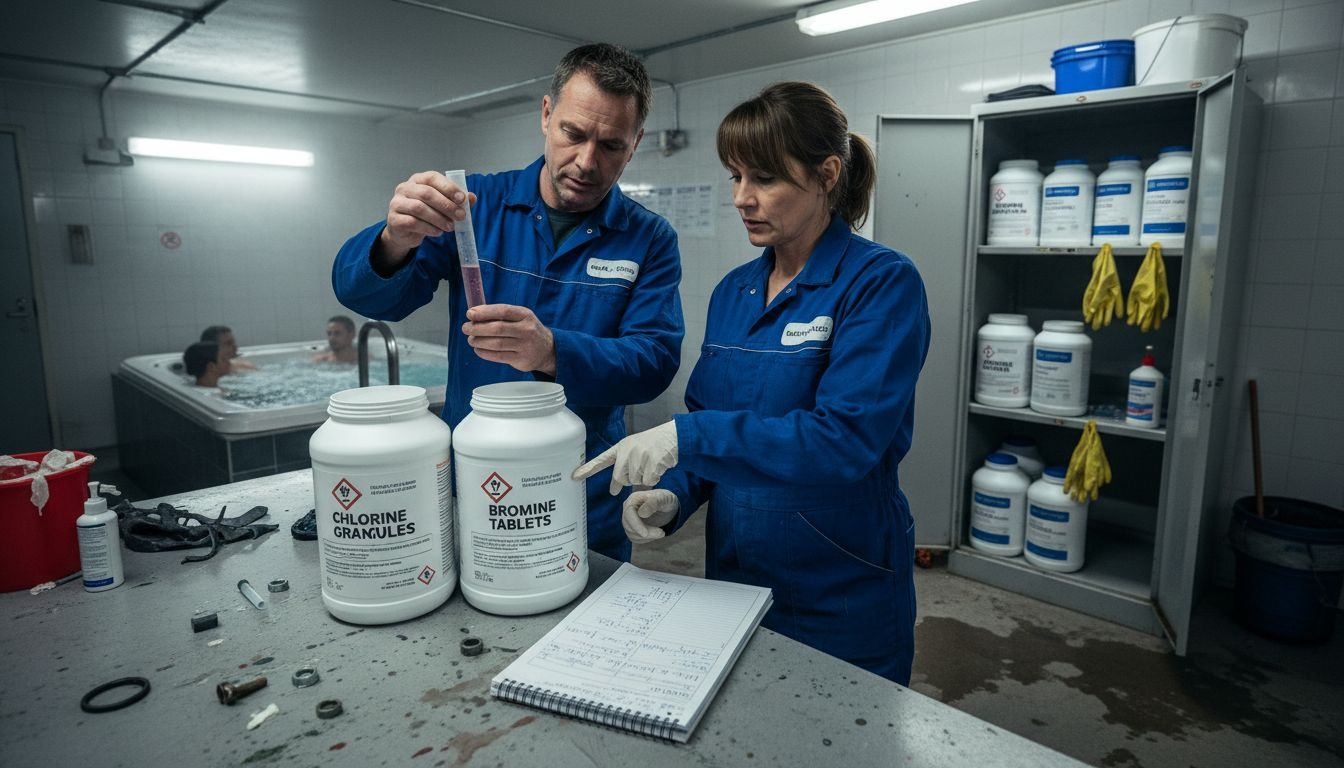
The selection of an appropriate spa sanitiser depends on multiple factors, including water temperature, frequency of use, and specific hygiene requirements. Each sanitiser type presents distinct advantages: alcohol-based solutions offer rapid microbial elimination, chlorine provides economical broad-spectrum protection, and quaternary compounds deliver sustained antimicrobial effects. Spa owners must carefully evaluate these characteristics to determine the most suitable sanitisation strategy for their specific environment.
Here is a comparison of primary spa sanitiser types and their key characteristics:
| Sanitiser Type | Best Use Scenario | Advantages | Drawbacks |
|---|---|---|---|
| Alcohol-based | Quick disinfection | Fast action, broad protection | Evaporates quickly |
| Chlorine | General spa use | Economical, reliable sanitation | May cause corrosion, odours |
| Bromine | High-temperature spas | Stable at high heat, gentle on skin | Higher cost, slow dissolution |
| Quaternary compounds | Continuous treatment | Non-corrosive, long-lasting | Reduced efficacy in hard water |
Pro tip: Rotate between different sanitiser types periodically to prevent microbial resistance and maintain comprehensive water treatment effectiveness.
How Spa Sanitizers Work to Eliminate Risks
Spa sanitisers operate through sophisticated biochemical mechanisms designed to protect users from potential microbial threats. Sanitizers function by systematically disrupting microbial cell structures, targeting the fundamental integrity of harmful organisms. By attacking cell membranes and metabolic processes, these chemical agents effectively neutralise bacteria, viruses, and other potential pathogens that could compromise spa user health.
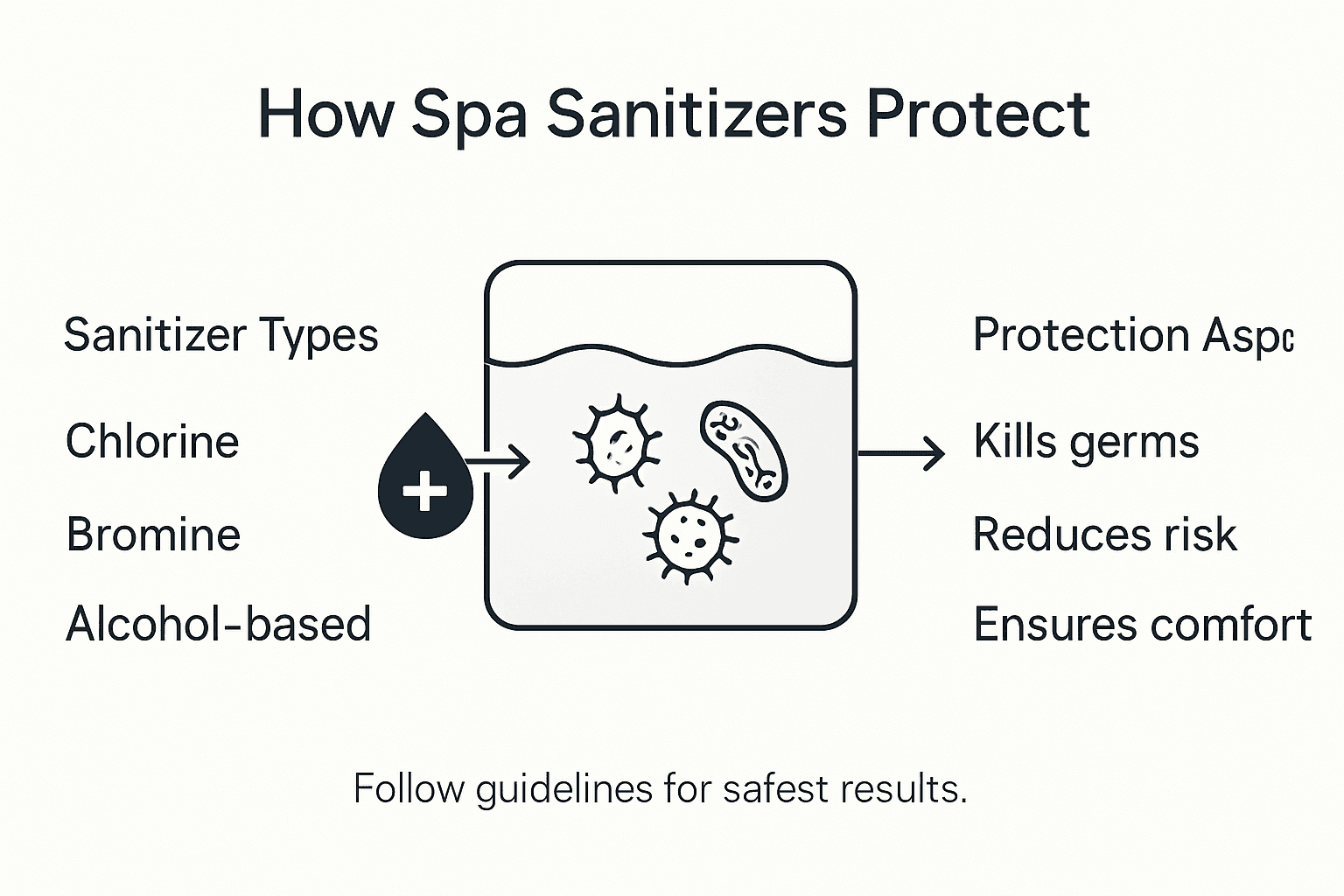
Alcohol-based sanitisers demonstrate particularly remarkable pathogen elimination strategies. These formulations specifically target lipid membranes of infectious agents, causing rapid cellular destruction. The concentration of alcohol, application technique, and contact duration critically determine the effectiveness of these sanitisation processes. High-quality spa sanitisers leverage this mechanism to create environments that are not just clean, but comprehensively protected against infectious microorganisms.
The elimination of health risks through sanitisation involves multiple strategic approaches. Different sanitiser types target microbes through varied mechanisms - some disrupt cellular metabolism, others compromise membrane integrity, and some prevent microbial reproduction. This multi-layered defence ensures comprehensive protection, reducing the potential for disease transmission and creating a safer, more comfortable spa environment for all users.
Pro tip: Maintain optimal sanitiser effectiveness by following manufacturer guidelines precisely and regularly testing water chemistry to ensure consistent microbial protection.
UK Regulations and Safe Sanitiser Use
The United Kingdom maintains stringent regulatory frameworks governing sanitiser use in spa environments, designed to protect both consumer safety and environmental health. Comprehensive regulations including the Control of Substances Hazardous to Health (COSHH) and Biocidal Products Regulations establish rigorous standards for sanitiser selection, application, and management. These legal requirements mandate precise protocols for handling chemical agents, ensuring that spa operators implement robust safety measures throughout their sanitisation processes.
For spa sanitisers marketed as cosmetic products, additional compliance becomes critical. UK cosmetic regulations impose strict requirements on product safety, labelling, and consumer protection, with the Responsible Person bearing legal accountability for meeting comprehensive notification standards. These regulations encompass detailed assessments of chemical composition, potential health impacts, and transparent communication of product characteristics to spa users.
Implementing safe sanitiser practices extends beyond mere regulatory compliance. Spa operators must develop comprehensive training programmes for staff, ensuring thorough understanding of chemical handling, appropriate dilution techniques, and emergency response protocols. This holistic approach integrates legal requirements with practical safety measures, creating an environment that prioritises user protection while maintaining exceptional hygiene standards.
Pro tip: Conduct quarterly staff training sessions and maintain detailed documentation of sanitiser usage to demonstrate ongoing regulatory compliance and commitment to safety.
Avoiding Common Sanitiser Mistakes in Spas
Spa operators frequently encounter critical errors in sanitiser application that can significantly compromise water safety and user health. Common sanitisation mistakes often stem from improper usage techniques, which reduce the effectiveness of chemical treatments and potentially increase infection risks. Understanding these pitfalls is essential for maintaining a hygienic and safe spa environment.
One prevalent mistake involves incorrect sanitiser concentration and measurement. Spa managers sometimes underestimate the precision required when adding chemical treatments, leading to either insufficient microbial control or excessive chemical exposure. Overcompensating with sanitisers can cause skin irritation, while underusing them creates breeding grounds for harmful bacteria. Consistent, accurate measurement using calibrated tools and following manufacturer guidelines becomes crucial in preventing these potential health hazards.
Another significant error is neglecting regular water testing and sanitiser rotation. Spa environments require dynamic management, with sanitiser levels constantly shifting due to factors like user load, temperature, and environmental conditions. Relying on a single sanitisation approach or failing to monitor chemical balance can create microbiological vulnerabilities. Implementing a systematic testing protocol, understanding water chemistry interactions, and adapting sanitisation strategies accordingly are fundamental to maintaining optimal spa hygiene.
The following table highlights common sanitisation mistakes in spas and their prevention strategies:
| Mistake | Risk Involved | Best Prevention Method |
|---|---|---|
| Incorrect dosing | Skin irritation or poor hygiene | Use calibrated measuring equipment |
| Skipping water testing | Bacterial growth risk | Implement regular digital testing |
| Not rotating sanitisers | Pathogen resistance | Alternate sanitiser types periodically |
| Incomplete staff training | Safety protocol failures | Schedule quarterly training sessions |
Pro tip: Invest in digital water testing equipment and maintain a detailed log of sanitiser applications to track chemical levels and ensure consistent, safe spa water management.
Maintain a Safe and Inviting Spa with ClearSpa Solutions
Keeping your spa water consistently safe and comfortable demands precise sanitiser use and regular water testing. The challenges of preventing microbial growth, avoiding common sanitiser mistakes, and ensuring compliance with UK regulations can feel overwhelming. ClearSpa understands these concerns and offers a trusted selection of high-quality water treatment products designed specifically to support your spa’s health and hygiene needs.
Enhance your hot tub experience by choosing from ClearSpa’s extensive range of carefully formulated sanitisers and spa essentials. Whether you need efficient chlorine or bromine options, gentle quaternary compounds, or other specialised products, we provide tested solutions that protect your spa users and preserve your equipment. Do not compromise on safety or comfort - visit ClearSpa today to access expert recommended products and maintain optimal spa water chemistry. Act now to safeguard your investment and enjoy a refreshing, clean spa environment with confidence.
Frequently Asked Questions
What are spa sanitisers and how do they work?
Spa sanitisers are specialised chemical agents that reduce microbial populations in water, ensuring cleanliness and safety for users. They disrupt microbial cell structures, leading to the neutralisation of harmful bacteria, viruses, and fungi.
What are the main types of spa sanitisers available?
The primary types of spa sanitisers include alcohol-based sanitisers, chlorine and bromine-based sanitisers, and quaternary ammonium compounds. Each type has unique advantages, such as quick disinfection or stability in high temperatures.
How can I maintain optimal sanitiser levels in my spa?
Regularly test your spa water using precise testing strips to monitor sanitiser levels. Adjust them according to manufacturer guidelines and consider rotating between different types of sanitisers to maintain effective protection against pathogens.
What common mistakes should I avoid when using sanitizers in spas?
Common mistakes include incorrect dosing, skipping regular water testing, not rotating sanitisers, and insufficient staff training. To avoid these issues, use calibrated measuring tools, implement consistent testing protocols, and ensure staff are well-trained in sanitisation practices.