Sanitising Spa Water - Best Practices for UK Hot Tubs
Sanitising spa water: Learn top UK-approved methods, chemical options, common mistakes, and ClearSpa’s expert solutions for lasting water purity.
Most British hot tub owners are surprised to learn that a single untreated spa can harbour thousands of invisible bacteria within days. Clean water is not just about comfort, it protects you from hidden health risks that thrive in warm tubs. With so many products and methods available across the United Kingdom, knowing what truly works makes all the difference for consistently safe and refreshing spa water.
Table of Contents
- What Sanitising Spa Water Really Means
- Popular Sanitiser Types for UK Spas
- How Spa Sanitisers Work in Practice
- Maintaining Balance and Testing Water Quality
- Common Mistakes With Spa Water Sanitising
- Choosing Effective ClearSpa-Approved Solutions
Key Takeaways
| Point | Details |
|---|---|
| Effective Sanitisation is Essential | Spa water must be systematically sanitised to protect users from harmful microorganisms by managing chemical concentrations. |
| Regular Testing is Crucial | A reliable water testing kit should be used to monitor chemical levels at least twice weekly to ensure optimal sanitisation. |
| Choose Appropriate Sanitisers | Select from established sanitiser types such as chlorine, bromine, mineral, and salt-based systems based on specific spa requirements. |
| Avoid Common Mistakes | Consistent maintenance and accurate chemical management are vital to prevent biofilm formation and ensure effective water treatment. |
What Sanitising Spa Water Really Means
Sanitising spa water is a critical process that goes far beyond simple cleaning - it involves creating a safe, hygienic environment that protects users from potentially harmful microorganisms. At its core, sanitisation means systematically eliminating dangerous bacteria, viruses, and other pathogens that can thrive in warm water environments.
The scientific process of spa water sanitisation involves carefully managing chemical concentrations to inhibit microbial growth and prevent contamination. Specific microorganisms like Escherichia coli and Pseudomonas aeruginosa can rapidly multiply in improperly maintained hot tubs, presenting significant health risks. By maintaining precise chemical balances and implementing rigorous water hygiene protocols, spa owners can effectively neutralise these potential threats.
Understanding water sanitisation requires a comprehensive risk-based approach that protects water quality from initial source through to final use. This means not just treating water periodically, but establishing consistent safeguards that prevent contamination throughout the entire spa system. Water management involves monitoring chemical levels, regularly cleaning filtration systems, and understanding how different environmental factors can impact water quality.
Hot Tip: Invest in a reliable water testing kit and check your spa water chemistry at least twice weekly to maintain optimal sanitisation levels.
Popular Sanitiser Types for UK Spas
Spa sanitisers in the United Kingdom are carefully regulated products designed to effectively eliminate harmful microorganisms and maintain water quality. These sanitisers can be classified as biocidal products primarily focused on killing germs and disinfecting water, with specific oversight from the Health and Safety Executive (HSE).
Two primary categories of spa water sanitisers dominate the UK market: chlorine-based and bromine-based solutions. Chlorine remains a popular choice due to its strong disinfecting properties, while bromine offers unique advantages in hot water environments. These oxidising agents work by breaking down and neutralising bacteria, viruses, and other potentially harmful microorganisms that could compromise spa water safety.
Beyond traditional chemical sanitisers, modern spa water treatment includes advanced options like mineral sanitisers and salt-based systems. These alternative approaches provide more gentle water treatment methods, reducing chemical intensity while still maintaining robust hygiene standards. Effective sanitisation requires careful consideration of dilution, contact time, and proper storage to minimise potential health risks.
Here’s a breakdown of popular spa sanitiser options and their notable differences:
| Sanitiser Type | Main Advantages | Key Considerations | Best Used For |
|---|---|---|---|
| Chlorine-based | Rapid bacteria elimination | Strong odour; pH control | General spa disinfection |
| Bromine-based | Stable in hot water; gentle | Costlier than chlorine | High-temperature spas |
| Mineral sanitiser | Low chemical levels | May require supplements | Sensitive skin users |
| Salt-based system | Automated sanitisation | Initial setup expense | Continuous, low-effort care |
Pro Tip: Consider rotating between different sanitiser types every few months to prevent microorganism resistance and maintain optimal water quality.
How Spa Sanitisers Work in Practice
Chemical sanitisers operate through a sophisticated two-stage process designed to eliminate harmful microorganisms in spa water. The first stage involves thorough cleaning, removing visible organic matter and debris, which prepares the water for effective sanitisation. This initial cleaning step is crucial as it allows subsequent sanitising agents to work more efficiently by eliminating physical barriers that might protect bacteria.
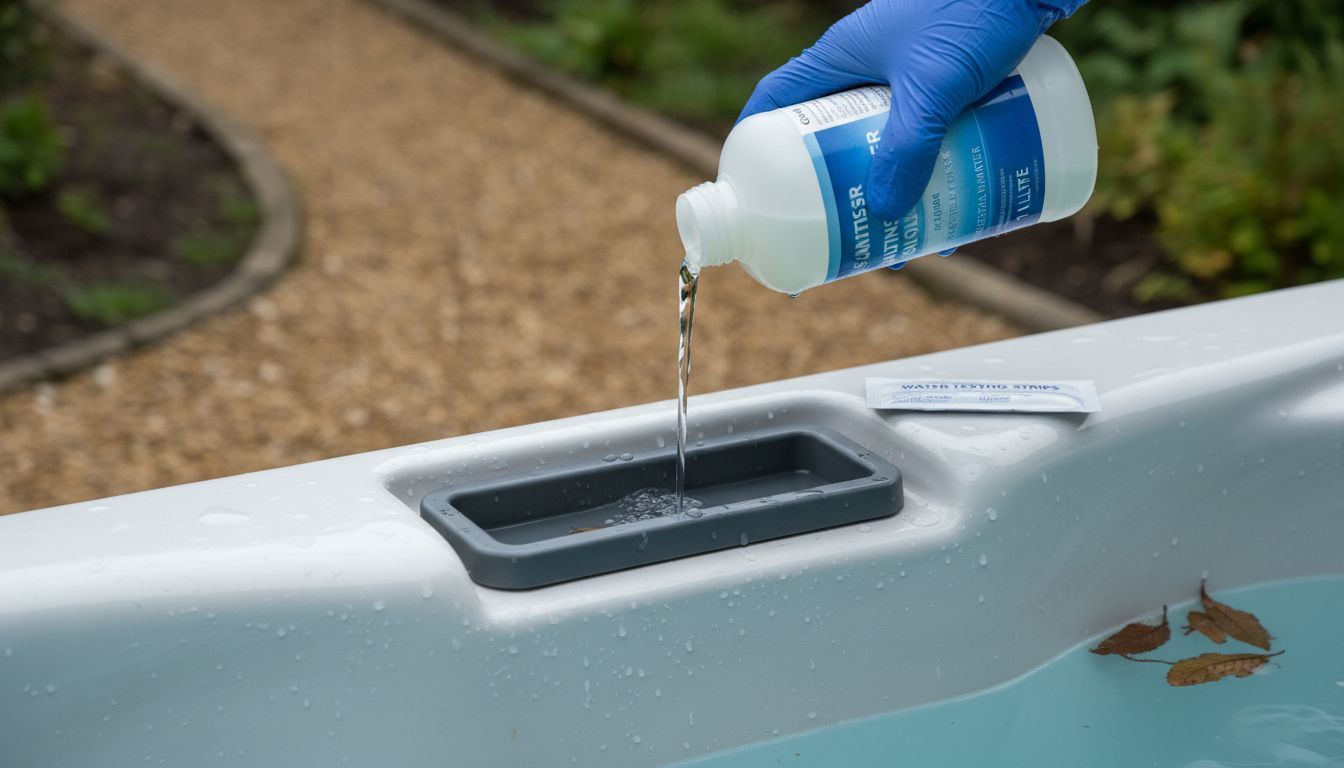
The actual sanitisation process involves carefully calculated chemical interactions that disrupt bacterial cell structures and prevent microbial reproduction. Different sanitising agents work through unique mechanisms - chlorine compounds, for instance, oxidise bacterial cell walls, while bromine-based solutions provide more stable performance in high-temperature environments. These chemicals effectively neutralise potential pathogens by breaking down their cellular structures and preventing their ability to multiply.
Addressing specific risks like Legionella bacteria requires consistent monitoring and targeted water treatment strategies, particularly in warm water environments such as hot tubs. Spa owners must maintain precise chemical concentrations, ensure proper water circulation, and regularly test water quality to create an environment hostile to bacterial growth. The process demands ongoing attention, with chemical dosages carefully balanced to maximise disinfection while maintaining user safety.
Pro Tip: Invest in a digital water testing kit that provides precise chemical readings, allowing you to maintain optimal sanitisation levels with scientific accuracy.
Maintaining Balance and Testing Water Quality
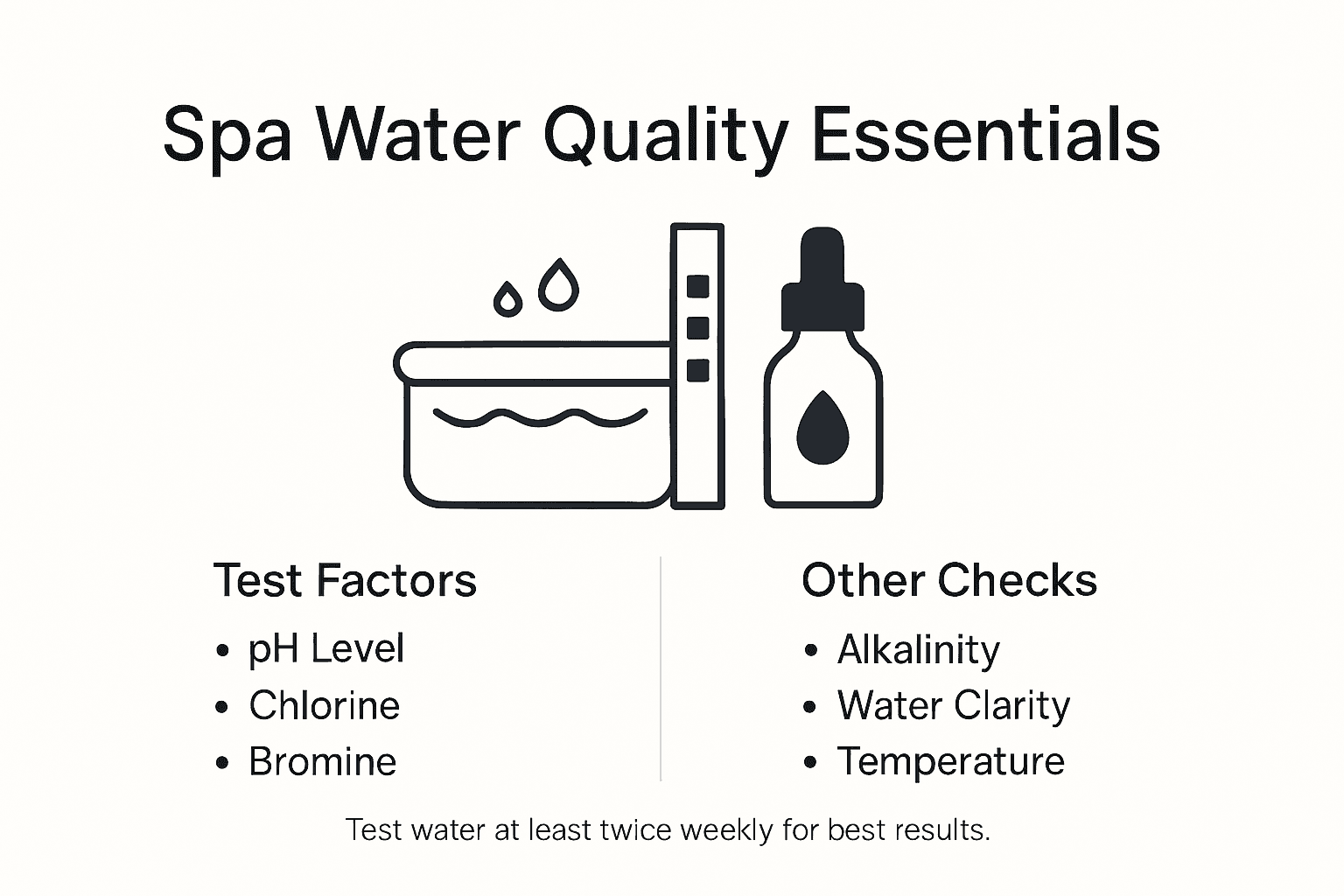
Spa water quality maintenance requires systematic and precise sampling techniques that go beyond simple visual inspection. Effective testing involves collecting representative water samples using sterile equipment and examining multiple critical parameters. Spa owners must focus on key indicators including pH levels, sanitiser concentrations, bacterial presence, and overall chemical composition to ensure safe and hygienic water conditions.
The delicate balance of spa water chemistry demands continuous monitoring and strategic adjustment. Temperature, pH, clarity, and chemical contaminant levels must be carefully controlled to prevent conditions that might promote microbial growth. Each chemical parameter interacts dynamically, meaning a change in one area can significantly impact overall water quality. Chlorine and bromine levels, total alkalinity, and calcium hardness all play crucial roles in maintaining a stable and safe spa environment.
Regulatory compliance and routine testing are essential for preventing water-related health risks. Professional-grade water testing kits allow spa owners to conduct comprehensive analyses, tracking potential issues before they become serious problems. These tests provide insights into water chemistry that go beyond basic visual assessments, detecting subtle imbalances that could compromise user safety or equipment performance.
The following table summarises essential spa water testing parameters and their purposes:
| Parameter | Purpose | Recommended Range |
|---|---|---|
| pH level | Controls effectiveness | 7.2 - 7.6 |
| Sanitiser level | Ensures germ elimination | Chlorine: 3-5 mg/L |
| Alkalinity | Protects against pH swings | 80-120 mg/L |
| Calcium hardness | Prevents corrosion/scaling | 150-250 mg/L |
Pro Tip: Develop a consistent water testing schedule, checking chemical levels at least twice weekly and recording results to track trends and quickly identify potential water quality issues.
Common Mistakes With Spa Water Sanitising
Spa water sanitising involves complex chemical management that can easily be compromised by common overlooked errors. One of the most prevalent mistakes is inconsistent maintenance, which allows harmful biofilms to develop rapidly in warm water environments. Hot tub owners often underestimate how quickly microorganisms can establish themselves, believing occasional cleaning is sufficient when regular, systematic treatment is actually required.
Chemical mismanagement represents another critical error in spa water sanitisation. Many users fail to maintain precise pH and sanitiser concentrations, dramatically reducing the effectiveness of their chosen disinfection method. Incorrectly balanced water can render sanitising agents ineffective, creating an environment where bacteria can proliferate despite apparent treatment. This delicate chemical equilibrium demands careful, consistent monitoring and adjustment to ensure optimal water quality and user safety.
Perhaps the most dangerous mistake is the improper use of biofilm control agents, which can paradoxically induce antimicrobial resistance in spa water microorganisms. Spa owners might inadvertently create more resilient bacterial populations by using sanitising products inconsistently or at inappropriate concentrations. Understanding the nuanced interaction between chemical treatments and microbial adaptation is crucial for maintaining truly hygienic spa water conditions.
Pro Tip: Develop a structured spa maintenance log to track chemical treatments, testing results, and cleaning schedules, helping you identify patterns and prevent recurring water quality issues.
Choosing Effective ClearSpa-Approved Solutions
Selecting approved sanitising solutions requires understanding rigorous UK regulatory standards that ensure product safety and performance. ClearSpa-approved products undergo extensive evaluation by regulatory bodies like the Medicines and Healthcare Products Regulatory Agency (MHRA), which meticulously assesses antimicrobial effectiveness, chemical composition, and potential health implications.
The selection process involves carefully examining multiple critical factors beyond basic disinfection capabilities. Compliance with Control of Substances Hazardous to Health (COSHH) regulations becomes paramount, ensuring that spa sanitising solutions meet stringent safety protocols. This means evaluating product concentration recommendations, understanding precise application methods, and confirming that the solution provides comprehensive protection without introducing additional health risks.
Beyond regulatory compliance, effective ClearSpa-approved solutions must demonstrate consistent performance across varied spa environments. Factors such as water temperature, chemical stability, and compatibility with different spa materials become crucial considerations. Professional spa owners and enthusiasts must look beyond marketing claims, focusing instead on scientifically validated performance metrics that guarantee reliable water treatment and user safety.
Pro Tip: Always cross-reference manufacturer instructions with independent testing data and maintain detailed records of each sanitising product’s performance and application.
Achieve Safe and Sparkling Spa Water with ClearSpa
Maintaining the delicate chemical balance in your hot tub water is no simple task. The article highlights key challenges such as controlling pH levels, sanitiser concentrations, and preventing harmful biofilms that threaten your spa’s hygiene and your health. With ClearSpa’s rigorous range of tested water treatment products, you can confidently tackle these issues every day. Our solutions are designed to help you maintain optimal sanitisation, prevent microbial growth, and comply with UK regulatory standards mentioned in the article.
Take control of your hot tub maintenance routine now and avoid common mistakes like inconsistent chemical monitoring or improper sanitiser use. Explore our comprehensive selection including specialised hot tub chemicals crafted for easy and effective water management.
Enhance your spa experience with ClearSpa and enjoy peace of mind knowing your water quality is in expert hands. Visit ClearSpa’s homepage today to find the perfect products to support your sanitising best practices and ensure a safe, refreshing soak every time.
Frequently Asked Questions
What is the importance of sanitising spa water?
Sanitising spa water is crucial for eliminating harmful microorganisms such as bacteria and viruses, creating a safe environment for users.
What are the most common types of sanitisers for hot tubs?
The most common types of sanitisers for hot tubs are chlorine-based and bromine-based solutions. Each has its unique advantages based on the spa conditions.
How often should I test my spa water for sanitiser levels?
It’s recommended to test your spa water at least twice a week to maintain optimal sanitisation levels and ensure user safety.
What are common mistakes to avoid when sanitising spa water?
Common mistakes include inconsistent maintenance, incorrect chemical balancing, and improper use of biofilm control agents, all of which can compromise water quality.