Hot Tubs UK: Elevate Your Spa Hygiene Safely
Hot tubs UK - discover essential water treatment, legal safety standards, and maintenance tips for UK hot tub owners to enhance hygiene and spa enjoyment.
Choosing the right hot tub and keeping its water clean can feel confusing for many British owners. Staying on top of maintenance matters not just for comfort but for safety, as the UK Health and Safety Executive warns that spa-pool systems pose health risks related to infectious agents such as Legionella pneumophila. This guide helps you understand key hot tub concepts, effective water treatment essentials, and practical maintenance strategies so you can enjoy a safer and more relaxing spa experience.
Table of Contents
- What Are Hot Tubs? Key UK Concepts
- Types of Hot Tubs and Their Features
- Water Treatment Essentials for Safe Use
- UK Safety Standards and Legal Requirements
- Ongoing Maintenance Costs and Common Pitfalls
Key Takeaways
| Point | Details |
|---|---|
| Health and Safety Risks | Proper maintenance and water treatment are crucial to prevent the transmission of diseases like Legionella from hot tubs. |
| Types and Features | Hot tubs vary in style and functionality, with options such as inflatable, acrylic, and wooden, each catering to different needs and aesthetics. |
| Water Treatment Essentials | Regular water testing and balancing of chemicals are vital for maintaining hygienic conditions and preventing bacterial growth. |
| Ongoing Costs | Owners should anticipate annual maintenance and operational costs, budgeting appropriately for service, electricity, and chemical treatments. |
What Are Hot Tubs? Key UK Concepts
Hot tubs represent sophisticated personal hydrotherapy systems designed for relaxation, therapeutic recovery, and social enjoyment across residential and commercial settings in the United Kingdom. These specialised water-based leisure installations provide controlled warm water environments where individuals can immerse themselves for physical and mental wellness purposes.
Understanding the potential health implications is crucial. The UK Health and Safety Executive highlights that spa-pool systems pose specific health risks related to infectious agents like Legionella pneumophila. These systems require careful management to prevent potential disease transmission, making proper maintenance and water treatment essential for safe usage.
Typically, hot tubs in the UK come in various configurations ranging from compact two-person models suitable for small urban gardens to expansive eight-person installations designed for larger outdoor spaces. They feature sophisticated filtration systems, temperature controls, and hydrotherapy jets that enable users to customise their relaxation experience. Modern hot tubs incorporate advanced technologies like digital temperature management, energy-efficient heating elements, and programmable jet configurations that enhance user comfort and operational efficiency.
Hot Tip: Always test and balance your hot tub’s water chemistry weekly to maintain optimal hygiene and prevent potential bacterial growth.
Types of Hot Tubs and Their Features
Hot tubs in the United Kingdom represent diverse hydrotherapy systems with multiple design configurations tailored to different residential and commercial requirements. Understanding these variations helps potential buyers select the most appropriate model for their specific needs, lifestyle, and available space.
Primarily, hot tubs are categorised into several key types. Inflatable hot tubs offer portable, affordable options for budget-conscious consumers, while built-in models provide permanent installations with superior durability. Acrylic hot tubs remain the most popular, featuring robust construction and advanced jet configurations that enable precise hydrotherapy targeting. These models typically include ergonomically designed seating, multiple jet zones, and sophisticated temperature control mechanisms.
Consumer preferences in the UK increasingly favour models with energy-efficient technologies, integrated digital controls, and modular designs that accommodate varying garden sizes. Wooden-constructed hot tubs offer a traditional aesthetic, blending seamlessly with natural landscape environments, while modern fibreglass and polymer variants provide sleek, contemporary styling. Each type presents unique features including adjustable jet pressures, LED lighting systems, built-in sound systems, and programmable heating elements that enhance user experience and operational convenience.
Pro Tip: Measure your intended installation space precisely and consider weight distribution requirements before purchasing your hot tub to ensure optimal placement and structural compatibility.
Here is a concise comparison of the main hot tub types available in the UK:
| Hot Tub Type | Portability | Typical Lifespan | Common User Profile |
|---|---|---|---|
| Inflatable | Highly portable | 2-5 years | Renters, budget-conscious |
| Acrylic | Stationary | 10-20 years | Long-term homeowners |
| Wooden | Semi-portable | 10-15 years | Nature-focused or rural |
| Fibreglass/Polymer | Stationary | 10-20 years | Style-oriented homeowners |
Water Treatment Essentials for Safe Use
Maintaining pristine and safe hot tub water represents a critical responsibility for UK hot tub owners, involving sophisticated water chemistry management and consistent treatment protocols. The fundamental goal is creating an environment that remains hygienic, comfortable, and free from potentially harmful microorganisms.
Water treatment begins with understanding core chemical parameters. Water sanitiser selection requires careful consideration, with chlorine and bromine being the primary sanitising agents used in hot tub maintenance. These chemicals work to eliminate bacteria, algae, and other potentially dangerous microbes that could compromise water quality. Experts recommend maintaining a precise pH balance between 7.2 and 7.6, which ensures optimal sanitiser effectiveness and prevents potential skin irritation or equipment damage.
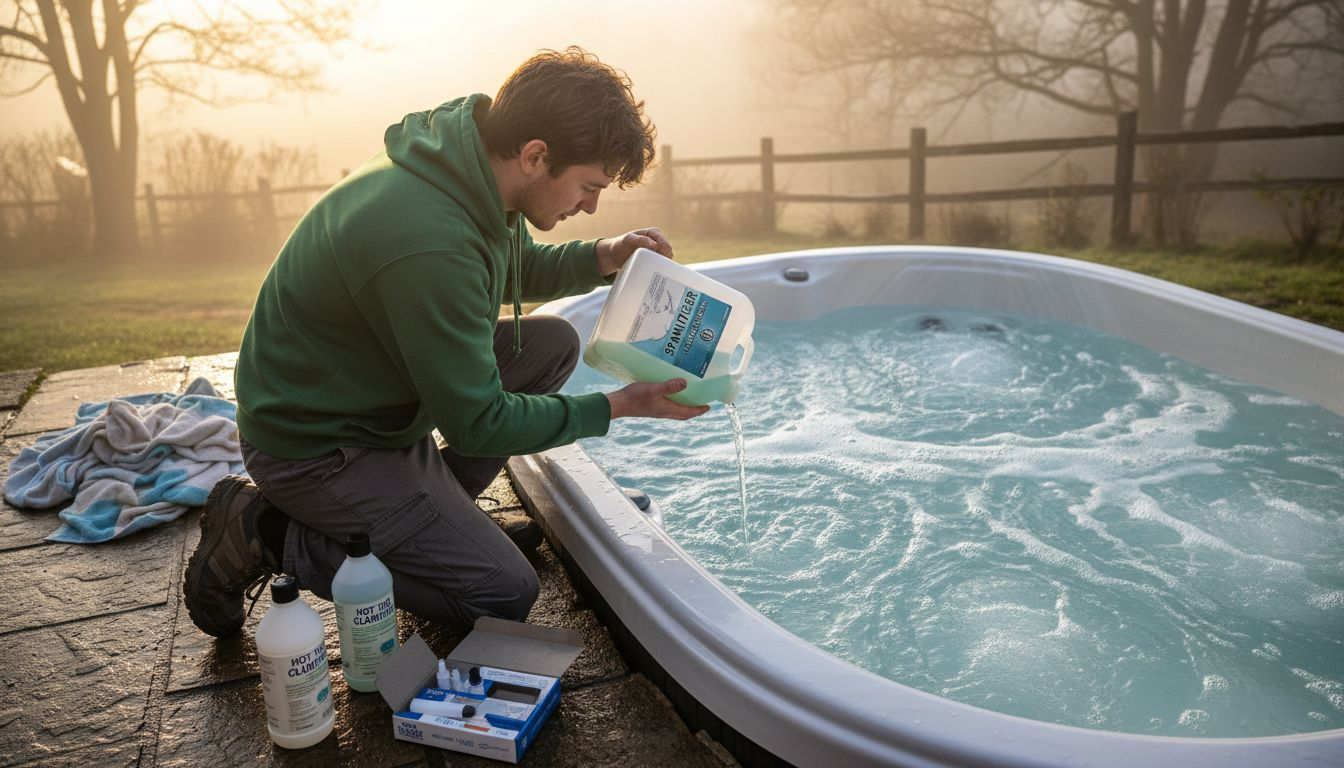
UK hot tub owners must implement a comprehensive water management strategy that extends beyond basic chemical treatment. This involves regular testing using digital testing kits or professional test strips, routine filter cleaning, and periodic shock treatments to eliminate accumulated contaminants. Total alkalinity and calcium hardness must be carefully monitored to prevent potential scaling or corrosive damage to the hot tub’s internal components. Advanced water treatment also includes understanding water circulation dynamics, ensuring consistent chemical distribution, and maintaining appropriate water temperature to support effective sanitisation processes.
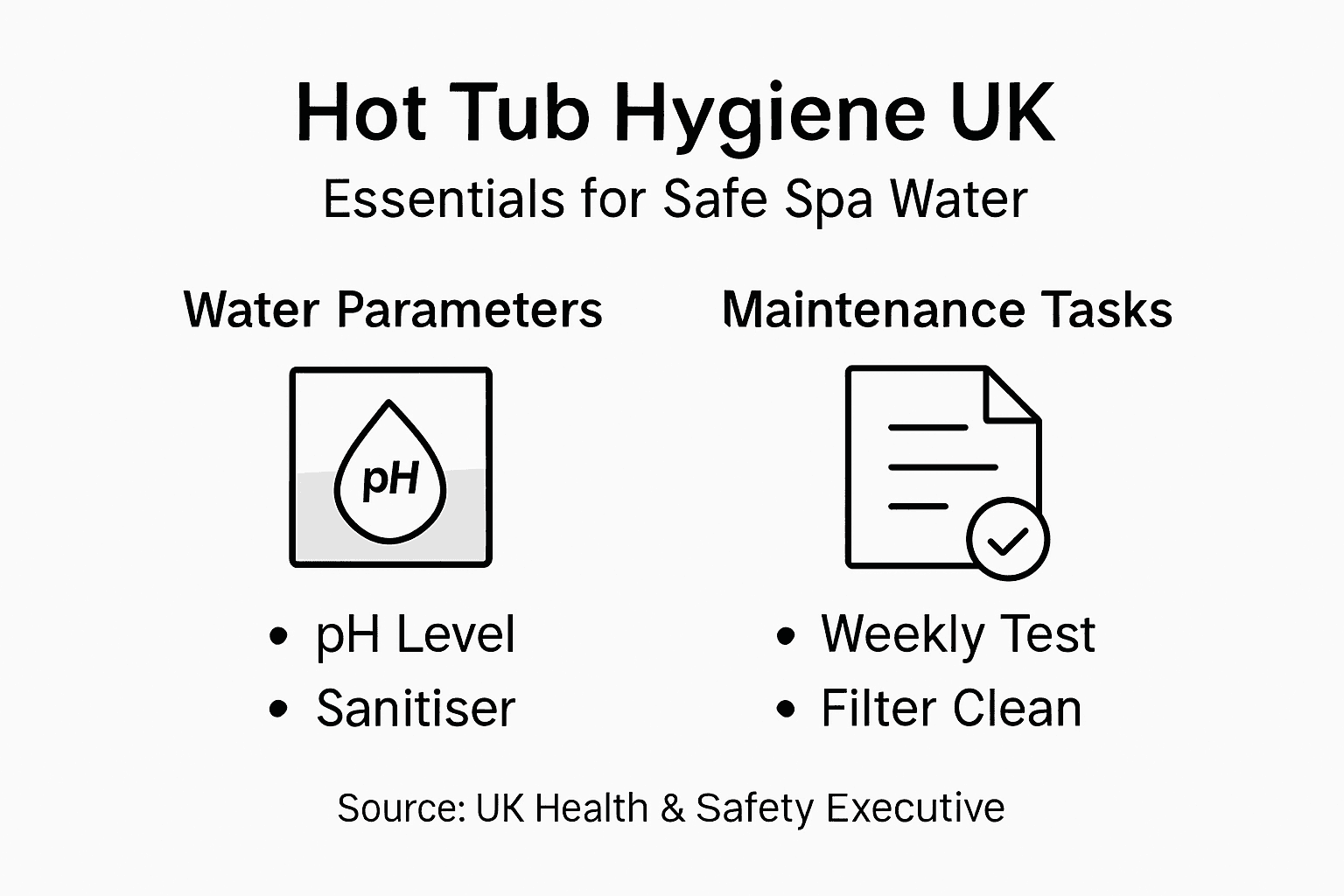
Pro Tip: Invest in a reliable digital water testing kit and establish a consistent weekly water maintenance schedule to prevent complex water chemistry issues before they develop.
UK Safety Standards and Legal Requirements
Navigating the legal landscape of hot tub ownership in the United Kingdom requires a comprehensive understanding of safety regulations and statutory responsibilities. Hot tub operators, whether in commercial or residential settings, must adhere to stringent guidelines designed to protect public health and ensure user safety.
The Health and Safety Executive (HSE) provides critical guidance through its comprehensive legionella control documentation, which outlines specific requirements for managing infectious disease risks in spa and hot tub environments. Commercial operators bear particular legal responsibilities, including conducting thorough risk assessments, implementing robust water treatment protocols, and maintaining detailed records of maintenance and testing procedures. These regulations apply to hotels, leisure centres, spas, and any commercial establishments offering hot tub facilities.
For residential hot tub owners, while legal requirements are less intensive, there remain significant responsibilities regarding water quality, equipment maintenance, and user safety. Key considerations include ensuring electrical installations meet British Standard BS7671 requirements, maintaining proper water chemistry to prevent bacterial growth, and implementing safety measures such as secure covers, non-slip surfaces, and clear usage guidelines. Local authorities may also have specific regulations regarding hot tub installations in residential properties, particularly in shared or public spaces.
Pro Tip: Consult with a local environmental health officer or hot tub safety specialist to ensure your specific installation meets all current UK safety regulations and standards.
Ongoing Maintenance Costs and Common Pitfalls
Owning a hot tub in the United Kingdom involves more than the initial purchase price, requiring ongoing financial commitment and strategic maintenance planning. Potential owners must understand the comprehensive economic landscape associated with hot tub ownership to prevent unexpected financial surprises and maintain optimal performance.
Annual maintenance expenses can vary significantly, with hot tub servicing costs ranging between £80 and £500 depending on service complexity. Basic residential maintenance typically includes water testing, chemical balancing, and filter cleaning, while more extensive services might involve deep cleaning, equipment diagnostics, and component replacements. Labour rates in the UK generally fall between £50 and £100 per hour, with additional call-out fees potentially increasing overall maintenance expenditure.
Common maintenance pitfalls include neglecting regular water chemistry checks, delaying filter replacements, and ignoring early signs of mechanical wear. Replacement parts such as pumps, heaters, and control panels can represent substantial expenses, with individual components potentially costing several hundred pounds. Energy consumption represents another significant ongoing cost, with electricity usage varying based on hot tub size, insulation quality, and frequency of use. Owners should budget approximately £30-£50 monthly for electrical running costs, factoring in seasonal temperature fluctuations and usage patterns.
Pro Tip: Create a dedicated maintenance savings fund of approximately £500-£750 annually to cover unexpected repairs and routine servicing requirements.
For quick reference, here is a summary of the main cost contributors to hot tub ownership in the UK:
| Cost Component | Typical Annual Range | Key Influencing Factor |
|---|---|---|
| Electricity Usage | £360 - £600 | Insulation, frequency of use |
| Routine Servicing | £80 - £500 | Service complexity, call-out fees |
| Chemical Treatments | £100 - £250 | Tub size, water volume |
| Part Replacements | £100 - £400+ | Age and brand of components |
Elevate Your Hot Tub Hygiene with ClearSpa Solutions
Maintaining pristine water quality and balanced chemistry is the heart of safe and enjoyable hot tub ownership in the United Kingdom. This article highlights common challenges such as controlling bacterial growth, managing pH levels, and preventing costly maintenance pitfalls. With ClearSpa’s expertly formulated hot tub chemicals and spa essentials, you can confidently tackle these issues and keep your hydrotherapy environment both hygienic and inviting.
Discover how ClearSpa’s trusted water treatment products, designed specifically for the UK market, empower you to maintain ideal water conditions effortlessly. Take control of your spa maintenance routine today by exploring our full range of effective sanitizers, balancers, and filtration aids at ClearSpa’s website. Don’t let preventable water treatment problems interrupt your relaxation - visit ClearSpa now and elevate your hot tub experience safely and easily.
Frequently Asked Questions
What are the main types of hot tubs available?
Hot tubs can be categorised primarily as inflatable, acrylic, wooden, and fibreglass/polymer models. Inflatable hot tubs are portable and budget-friendly, while acrylic tubs offer durability and advanced features. Wooden tubs provide a traditional aesthetic, and fibreglass or polymer models offer sleek designs.
How often should I test and treat my hot tub water?
It is recommended to test and balance your hot tub’s water chemistry weekly. Regular testing helps maintain optimal hygiene and prevents bacterial growth. Implement a consistent water maintenance schedule to support effective sanitisation.
What are common pitfalls in hot tub maintenance?
Common pitfalls include neglecting regular water chemistry checks, delaying filter replacements, and overlooking early signs of mechanical wear. It’s crucial to stay on top of maintenance to prevent costly repairs and ensure optimal performance.
What are the key safety standards for hot tub ownership?
Hot tub owners must adhere to specific safety regulations, including water quality management and equipment maintenance. Ensuring electrical installations meet safety standards, implementing secure covers, and maintaining proper water chemistry are essential for user safety.