Hot Tub Care: Keeping Water Safe and Clear
Hot tub care explained for UK homeowners, covering water quality, chemical use, filter cleaning, cost-saving tips, and common mistakes to avoid.
Many UK hot tub owners discover maintaining clear, safe water is not as simple as it first appears. Common misconceptions about care can leave families at risk, especially when supervision lapses around the hot tub. Research shows that misunderstandings about water safety and maintenance are a leading cause of preventable accidents. This guide tackles frequent myths and provides straightforward steps for keeping your hot tub hygienic and safe for every soak.
Table of Contents
- Hot Tub Care Basics And Misconceptions
- Essential Water Testing And Chemical Choices
- Types Of Filters And Cleaning Techniques
- Economical Maintenance And Running Costs
- Mistakes To Avoid For Safe Spa Use
Key Takeaways
| Point | Details |
|---|---|
| Understanding Maintenance Needs | Hot tubs require specialised care, including regular water testing and targeted chemical treatments, due to their different usage compared to swimming pools. |
| Effective Water Testing | Consistent monitoring of pH, sanitiser levels, and total alkalinity is essential to ensure safe and hygienic hot tub conditions. |
| Filter Management | Knowing the type of filter and adhering to maintenance schedules is crucial for preventing water contamination and ensuring hygiene. |
| Safety Precautions | Proper temperature regulation and personal hygiene are vital to mitigate health risks during hot tub use, particularly for vulnerable individuals. |
Hot tub care basics and misconceptions
Many UK homeowners harbour misconceptions about hot tub maintenance that can compromise water safety and equipment longevity. Understanding these myths is crucial for responsible ownership. Water safety research highlights how misunderstandings can lead to potential risks, particularly for families with children.
Common misconceptions range from believing that hot tubs are low-maintenance to assuming that regular swimming pool chemicals are suitable replacements. Hot tubs require specialised care due to their smaller water volume, higher temperatures, and more concentrated use. Unlike swimming pools, hot tubs accumulate body oils, cosmetics, and perspiration much faster, demanding more frequent and targeted water treatment.
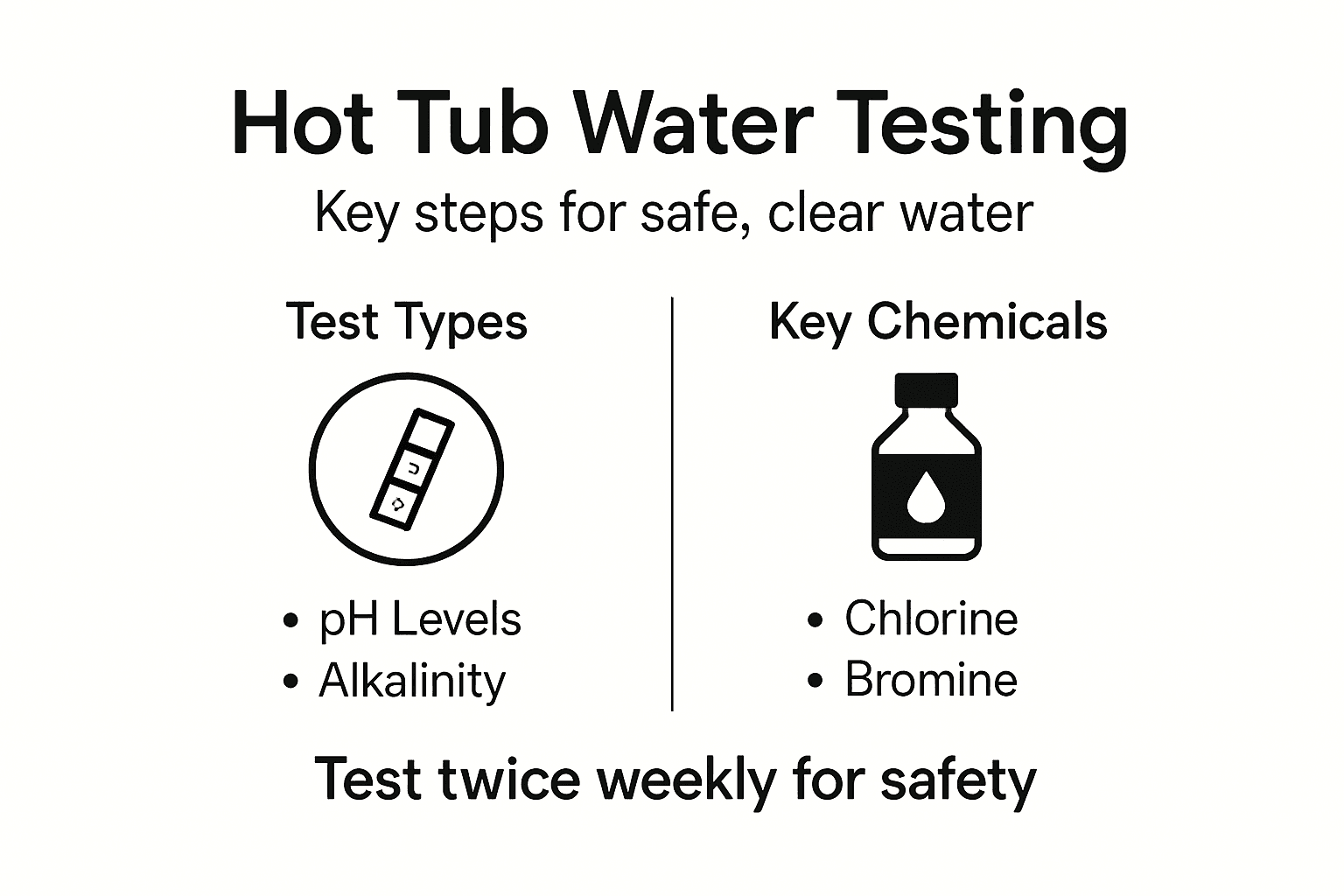
The primary basics of hot tub care involve maintaining proper chemical balance, regular cleaning, and understanding water chemistry fundamentals. This means consistently monitoring pH levels, sanitiser concentrations, and total alkalinity. Water should be tested at least twice weekly using reliable test strips, with chemical adjustments made promptly to prevent bacterial growth and equipment damage.
Pro Tip: Invest in a reliable digital water testing kit that provides precise measurements, helping you maintain optimal water conditions with minimal guesswork.
Essential water testing and chemical choices
Water testing is the cornerstone of maintaining a safe and hygienic hot tub environment. Global water quality guidelines emphasise the critical importance of regular chemical monitoring and risk management to ensure recreational water safety.
Hot tub chemical choices require careful consideration, with sanitisers like chlorine and bromine playing a crucial role in eliminating harmful microorganisms. These chemicals must be selected based on specific parameters such as water volume, usage frequency, and bather load. The regulatory requirements for water treatment chemicals highlight the need for certified products that meet stringent health and environmental standards.
Effective water testing involves more than just measuring sanitiser levels. You’ll need to monitor pH balance, total alkalinity, calcium hardness, and potential contaminants. A comprehensive testing regime typically involves checking water parameters at least twice weekly, using digital test strips or professional testing kits that provide precise measurements and detailed insights into water chemistry.
Pro Tip: Keep a dedicated log of your water test results to track chemical changes and identify patterns that might indicate underlying maintenance issues.
Types of filters and cleaning techniques
Hot tub filters are critical defence mechanisms against water contamination, with multiple types designed to trap different particulate matter and maintain hygienic conditions. Spa pool bacterial risks highlight the importance of selecting and maintaining the right filtration system to prevent potential health hazards.
Three primary filter types dominate the hot tub market: cartridge filters, sand filters, and diatomaceous earth (DE) filters. Cartridge filters are most common for residential hot tubs, featuring replaceable paper or fabric elements that capture debris ranging from large particles to microscopic contaminants. These filters require regular cleaning and periodic replacement to ensure optimal performance and water quality.
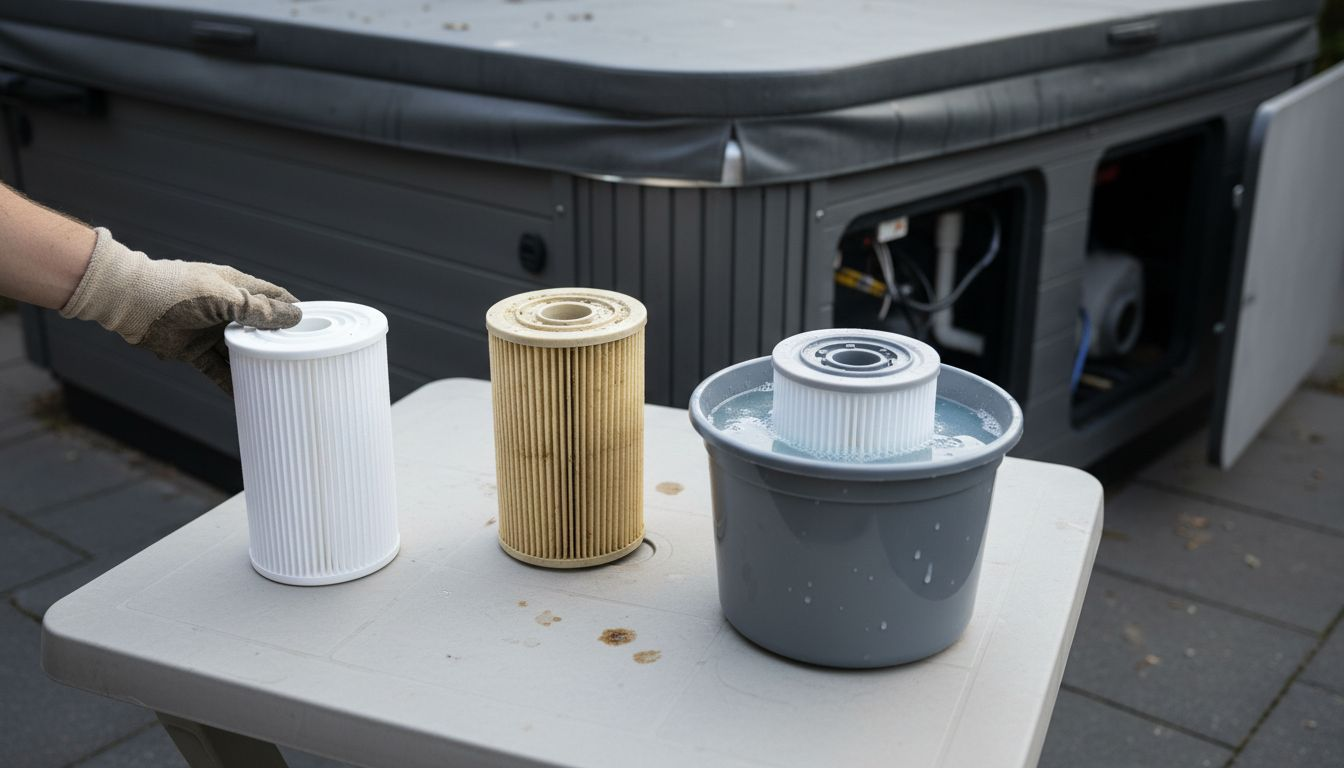
Cleaning techniques vary depending on filter type, but a standard approach involves removing the filter, rinsing with clean water, and using specialised cleaning solutions to break down oils, scale, and biological residues. Some hot tub owners employ jetted tub cleaning methods that involve periodic deep cleaning with mild detergents and bleach to eliminate biofilm and bacterial buildup, ensuring comprehensive maintenance beyond surface-level cleaning.
Here’s a comparison of hot tub filter types and their maintenance requirements:
| Filter Type | Filtration Efficiency | Maintenance Frequency | Best Use Case |
|---|---|---|---|
| Cartridge | Fine particles, oils | Every 2-4 weeks | Residential, low bather load |
| Sand | Larger debris, basic oils | Every 2-3 months | Commercial, large capacity |
| Diatomaceous Earth | Microscopic contaminants | Monthly with backwash | High purity, health spas |
Pro Tip: Rotate between two filter cartridges, allowing one to dry and deep clean while using the other, which extends filter life and maintains consistent water quality.
Economical maintenance and running costs
Managing a hot tub’s running costs requires strategic planning and understanding of key expenditure areas. Hot tub water changing costs reveal that maintenance expenses can be surprisingly affordable, with water replacement typically costing around £10 for a standard 400-gallon tub.
Energy consumption represents the most significant ongoing expense for hot tub owners. Modern hot tubs incorporate various energy-efficient technologies to minimise electricity usage. Heating technology evaluations emphasise the critical role of proper insulation and selecting efficient heating systems. High-quality thermal covers, strategic placement, and regular maintenance can reduce energy consumption by up to 30%, significantly lowering monthly running costs.
Additional cost considerations include chemical treatments, filter replacements, and potential repair work. Budget-conscious owners should anticipate spending approximately £300-£500 annually on maintenance supplies, with potential savings achieved through bulk purchasing, preventative care, and DIY maintenance techniques. Regular cleaning, balanced water chemistry, and proactive equipment checks can help minimise unexpected repair expenses.
An overview of major hot tub running costs and potential savings strategies:
| Cost Area | Typical Annual Expense | Savings Approach |
|---|---|---|
| Energy (heating) | £200-£300 | Use thermal cover, efficient pump |
| Chemicals | £100-£150 | Bulk buy, correct dosing |
| Filter Replacement | £50-£100 | Rotate filters, clean regularly |
| Repairs | £50-£200 (variable) | Preventative checks, DIY basics |
Pro Tip: Invest in a high-quality thermal cover and ensure it fits correctly, as this single accessory can reduce energy costs by preventing heat loss and minimising reheating requirements.
Mistakes to avoid for safe spa use
Hot tub safety requires understanding potential risks and implementing proactive prevention strategies. Cardiovascular health risks underscore the importance of careful usage, particularly for individuals with pre-existing medical conditions.
One critical mistake is maintaining improper water temperature, which can create significant health hazards. Temperatures exceeding 40°C can cause heat exhaustion, dizziness, and potentially dangerous cardiovascular strain. Individuals with heart conditions, pregnancy, or underlying health issues should consult medical professionals before hot tub use and strictly limit immersion time to prevent physiological stress.
Another common error involves neglecting hygiene protocols. This includes entering the hot tub without showering, wearing inappropriate swimwear, or using the spa when experiencing skin infections or open wounds. Such behaviours dramatically increase bacterial transmission risks, potentially leading to skin infections, respiratory issues, and waterborne illnesses. Proper personal hygiene and regular water treatment are essential for maintaining a safe hot tub environment.
Pro Tip: Always keep a glass of cool water nearby during hot tub use and limit sessions to 15-20 minutes to prevent overheating and dehydration.
Maintain Crystal Clear Water and Protect Your Hot Tub with Confidence
Keeping your hot tub water safe and balanced can feel overwhelming when faced with tasks such as monitoring pH levels, sanitiser concentrations, and filter maintenance. The article highlights key challenges like chemical balance, regular cleaning, and selecting the right sanitiser which are essential to avoid health risks and costly repairs. At ClearSpa, we understand how crucial precision and reliability are in your hot tub care routine.
Explore our comprehensive range of specialised hot tub chemicals, water testing kits, and spa essentials designed to simplify your maintenance tasks and ensure clear, safe water all year round. Don’t let misconceptions or lack of proper supplies jeopardise your hot tub experience. Visit ClearSpa to find trusted products tailored for UK homeowners who demand quality and peace of mind. Start your journey towards perfect water balance today and enjoy your spa safely with expert support just a click away.
Frequently Asked Questions
How often should I test my hot tub water?
Water should be tested at least twice weekly to ensure proper chemical balance and safety.
What are the best sanitisers for hot tub water?
Chlorine and bromine are the most common and effective sanitisers for eliminating harmful microorganisms in hot tubs.
How do I maintain my hot tub filter?
Regular cleaning is essential. Rinse the filter with clean water and use specialised cleaning solutions monthly. Replace the filter every few months depending on usage.
What are the common mistakes to avoid when using a hot tub?
Avoid maintaining improper water temperatures, neglecting hygiene protocols, and entering the hot tub without showering, as these can pose health risks.