Understanding Hot Tub Care: Essential Insights and Practices
Explore hot tub care to learn essential tips, why it matters, and how effective care keeps your hot tub in top condition.
Hot tubs promise soothing comfort and a touch of everyday luxury. Yet while most owners focus on relaxation, they often overlook the real work bubbling beneath the surface. Shockingly, neglected hot tubs can harbour dangerous bacteria like Legionella and Pseudomonas according to the National Sanitation Foundation. Taking care of your spa is not just about keeping it clean, it is a matter of health and saving money for years to come.
Table of Contents
- What Is Hot Tub Care And Its Importance?
- The Chemistry Behind Hot Tub Maintenance
- Common Issues In Hot Tubs And How They Develop
- Best Practices For Long-lasting Hot Tub Health
Quick Summary
| Takeaway | Explanation |
|---|---|
| Regularly test water chemistry | Weekly checks of pH, alkalinity, and sanitiser are essential for safe water. |
| Maintain your hot tub equipment | Conduct monthly cleanings and quarterly inspections to prevent breakdowns. |
| Protect against contamination | Cover your hot tub and monitor for debris to ensure cleanliness and safety. |
| Monitor temperature and circulation | Ensure proper heating and filtration to improve performance and user comfort. |
| Invest in professional maintenance | Schedule routine professional assessments to identify and fix potential issues early. |
What is Hot Tub Care and Its Importance?
Hot tub care represents a comprehensive approach to maintaining the cleanliness, functionality, and longevity of your personal hydrotherapy equipment. At its core, hot tub care involves a systematic process of water treatment, equipment maintenance, and strategic preservation that ensures your spa remains a safe, enjoyable, and hygienic relaxation space.
Understanding Hot Tub Maintenance Fundamentals
Proper hot tub care goes beyond simple cleaning. It involves a holistic strategy that addresses water chemistry, mechanical systems, and physical infrastructure. Water chemistry is particularly crucial, as imbalanced water can lead to multiple problems ranging from skin irritation to equipment degradation. Explore our guide on hot tub chemicals to understand the nuanced world of water treatment.
Key aspects of hot tub care include:
- Regular water testing and chemical balancing
- Cleaning and replacing filters
- Maintaining appropriate water temperature
- Protecting the spa cover and shell
- Monitoring and servicing mechanical components
Why Hot Tub Care Matters
Neglecting hot tub maintenance can result in significant consequences. Improperly maintained spas become breeding grounds for bacteria, algae, and other microorganisms. These can cause health risks and accelerate equipment deterioration. Research from the National Sanitation Foundation highlights that poorly maintained hot tubs can harbour dangerous pathogens like Legionella and Pseudomonas.
Beyond health considerations, consistent care protects your substantial investment. A well-maintained hot tub can last significantly longer, providing years of relaxation and therapeutic benefits. Regular maintenance prevents costly repairs and premature equipment replacement, ultimately saving you money and preserving your spa’s performance and aesthetic appeal.
The Chemistry Behind Hot Tub Maintenance
Hot tub water chemistry represents a delicate and complex balance of chemical interactions that determine water quality, safety, and overall spa performance. Understanding these intricate relationships is crucial for maintaining a healthy and enjoyable hydrotherapy environment.
Water Balance Fundamentals
The cornerstone of hot tub chemistry involves managing three primary parameters: pH levels, alkalinity, and sanitiser concentration. Explore our guide on understanding hot tub chemistry basics to gain deeper insights into these critical measurements.
Key chemical balance components include:
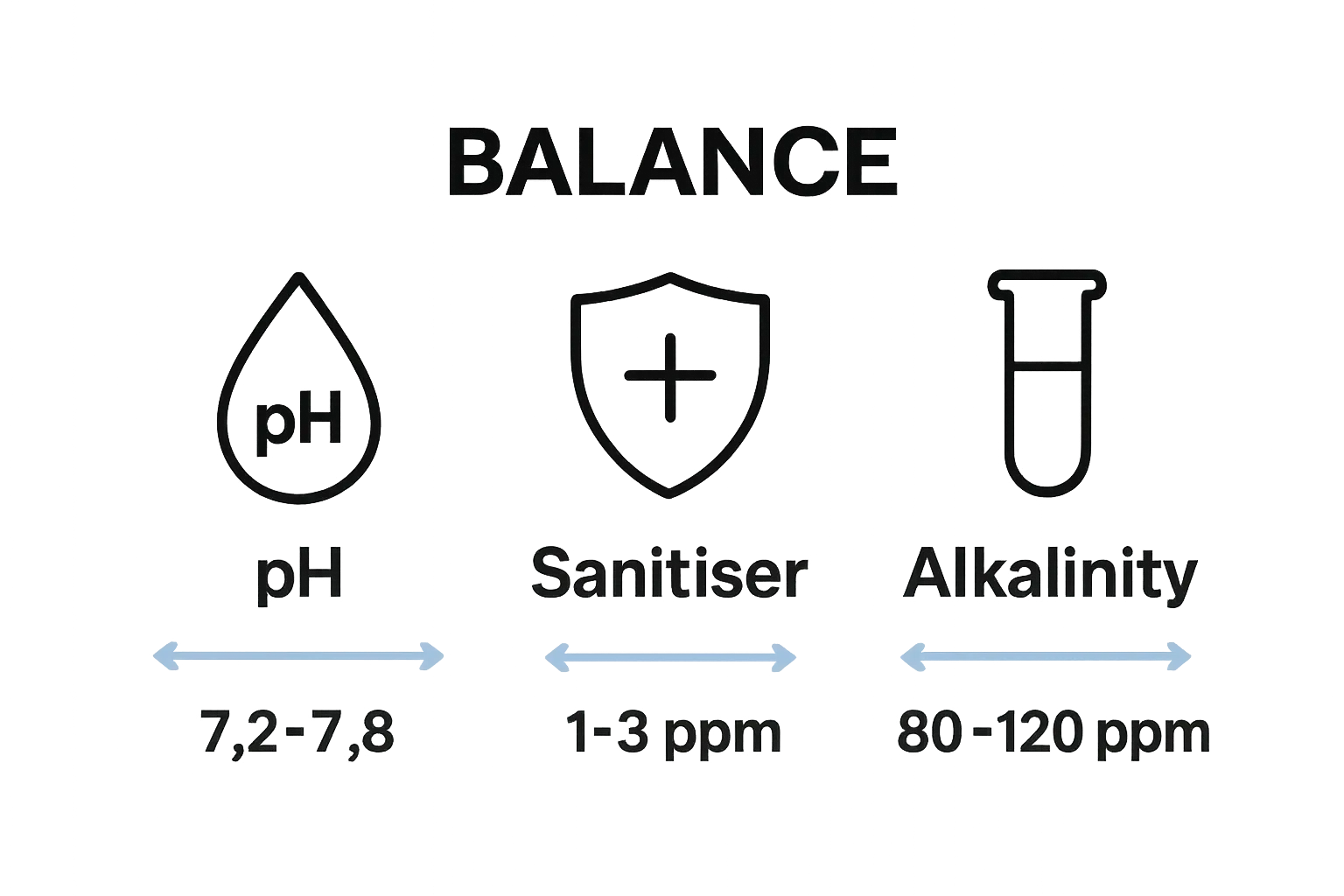
- pH level (ideal range between 7.2 and 7.6)
- Total alkalinity (80-120 parts per million)
- Sanitiser concentration (chlorine or bromine)
- Calcium hardness
- Total dissolved solids
Chemical Interactions and Potential Challenges
Unbalanced water chemistry can trigger multiple problems. Incorrect pH levels can cause skin irritation, equipment corrosion, and reduced sanitiser effectiveness. Low alkalinity makes the water more prone to rapid pH fluctuations, while high alkalinity can lead to scale formation and cloudy water.
Research from the Water Quality and Health Council indicates that improper chemical management can create environments conducive to bacterial growth and potential health risks. Sanitisers like chlorine and bromine play a critical role in eliminating harmful microorganisms, but their effectiveness depends on maintaining precise chemical equilibrium.
Consistent monitoring and strategic chemical adjustments ensure your hot tub remains a safe, clean, and enjoyable relaxation space.
The following table summarises the primary factors affecting water balance in a hot tub, alongside their ideal ranges and the potential impact if left unmanaged.
| Water Balance Parameter | Ideal Range/Value | Why It Matters |
|---|---|---|
| pH Level | 7.2 - 7.6 | Ensures water comfort, protects equipment, and optimises sanitiser efficacy |
| Total Alkalinity | 80 - 120 ppm | Stabilises pH, prevents rapid fluctuations |
| Sanitiser Concentration | As per product guidelines | Maintains disinfection, prevents pathogen growth |
| Calcium Hardness | Balanced (typically 150-250 ppm) | Prevents corrosion and scale formation |
| Total Dissolved Solids (TDS) | Below 1500 ppm | High levels cause cloudy water and reduce effectiveness of chemicals |
Common Issues in Hot Tubs and How They Develop
Hot tubs, despite their luxurious appeal, can encounter various problems that compromise their performance, hygiene, and overall user experience. Understanding these potential issues helps owners take proactive measures to maintain their spa’s functionality and prevent costly repairs.
Water Quality Deterioration Mechanisms
Water quality challenges represent the most frequent and complex issues in hot tub maintenance. Explore our guide about hot tub ownership challenges to gain comprehensive insights into potential problems. Multiple factors contribute to water quality deterioration:
- Bacterial contamination from skin oils and organic matter
- Mineral build-up from hard water
- Improper chemical balancing
- Inadequate filtration systems
- Environmental debris and contaminants
Structural and Mechanical Complications
Research from the Pool and Hot Tub Alliance indicates that mechanical issues often stem from neglected maintenance and environmental stress. Hot tub components like pumps, heaters, and jets can experience significant wear and tear. Common mechanical problems include seal degradation, pump motor failures, and electrical system malfunctions.
Temperature inconsistencies represent another critical concern. Faulty heating elements or thermostat problems can lead to uncomfortable and potentially unsafe water temperatures. Electrical connections and sensor malfunctions frequently contribute to these temperature regulation challenges.
Routine professional inspections and proactive maintenance can significantly mitigate these risks, preserving your hot tub’s performance and extending its operational lifespan.
This table provides an overview of common hot tub issues, outlining their causes and the potential consequences if not addressed promptly.
| Issue | Primary Causes | Potential Consequences |
|---|---|---|
| Bacterial Contamination | Neglected cleaning, poor sanitiser levels | Health risks, foul odours, skin irritation |
| Mineral Build-up | Hard water, improper chemical balance | Scale formation, reduced heating efficiency |
| Equipment Malfunctions | Wear and tear, lack of maintenance | Pump or heater failure, costly repairs |
| Water Quality Deterioration | Organic matter, environmental debris, imbalanced chemistry | Cloudy water, irritation, bacterial growth |
| Temperature Inconsistencies | Faulty thermostat, heating element or sensors | Discomfort, unsafe bathing conditions |
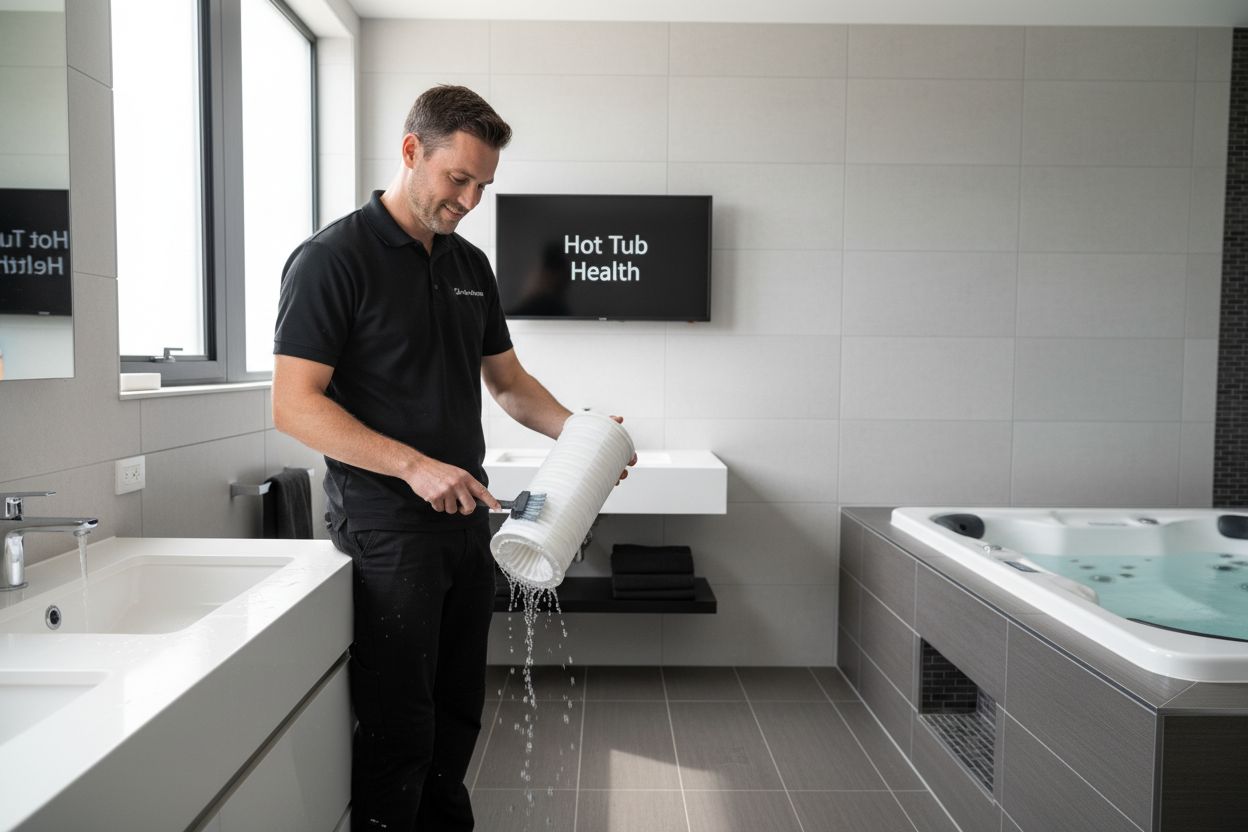 Regular diagnostics help identify potential issues before they escalate into more significant, expensive problems.
Best Practices for Long-lasting Hot Tub Health
Maintaining a hot tub requires a strategic and consistent approach that encompasses multiple aspects of care and maintenance. By implementing comprehensive preservation techniques, owners can significantly extend their spa’s operational lifespan and ensure optimal performance.
Routine Maintenance Strategies
Learn more about comprehensive hot tub maintenance approaches to develop a holistic care strategy. Effective maintenance involves systematic interventions that address both preventative and corrective measures. Successful hot tub preservation depends on understanding and implementing key practices that protect the equipment and water quality.
Critical maintenance practices include:
- Weekly water chemistry testing
- Monthly deep cleaning protocols
- Quarterly professional equipment inspections
- Regular filter replacements
- Consistent sanitiser management
Environmental and Operational Considerations
Research from the Pool and Hot Tub Alliance highlights that environmental factors significantly impact hot tub longevity. Protection from external elements, proper covering, and strategic positioning can dramatically reduce wear and potential damage.
Operational best practices involve maintaining consistent water temperatures, avoiding extreme temperature fluctuations, and managing water chemistry with precision. Owners should develop a disciplined approach to monitoring and adjusting chemical levels, ensuring the spa remains a safe and enjoyable hydrotherapy environment.
Ultimately, successful hot tub maintenance represents an investment in long-term enjoyment and equipment preservation. Proactive care, regular professional assessments, and a commitment to understanding your spa’s specific requirements will guarantee years of reliable performance and relaxation.
Take Control of Your Hot Tub’s Health With ClearSpa
Tired of battling cloudy water, upsetting chemical imbalances, or unpredictable equipment failures? The article you just explored highlights how crucial regular monitoring and the right water treatment strategy are when it comes to protecting your hot tub and your wellbeing. Managing hot tub chemistry can feel overwhelming, especially when small mistakes lead to discomfort or costly repairs. That is why choosing products trusted for their effectiveness and reliability is so important. Our solutions address challenges such as unbalanced pH, sanitiser issues, and persistent maintenance headaches. See how we can help you keep water safe and crystal clear.
Experience peace of mind and longer spa life by choosing ClearSpa water treatment products. We offer everything you need to support clean water, strong equipment, and effortless upkeep. Take the first step towards hassle-free hot tub care today by visiting our website. Start protecting your investment and your relaxation moments immediately.
Frequently Asked Questions
What are the essential aspects of hot tub care?
Proper hot tub care includes regular water testing and chemical balancing, cleaning and replacing filters, maintaining an appropriate water temperature, protecting the spa cover, and monitoring mechanical components.
How does water chemistry affect my hot tub?
Water chemistry is crucial for maintaining a safe and enjoyable hot tub experience. Imbalanced water can lead to skin irritation, equipment corrosion, and ineffective sanitisation, which can foster harmful microorganisms.
What common issues can arise from poor hot tub maintenance?
Common issues include water quality deterioration, bacterial contamination, mineral build-up, and mechanical problems such as pump failures and temperature inconsistencies, leading to costly repairs and reduced lifespan.
What routine maintenance practices should I implement for my hot tub?
Implement critical maintenance practices such as weekly water chemistry testing, monthly deep cleaning, quarterly professional inspections, regular filter replacements, and consistent sanitiser management to ensure optimal performance and longevity.