Healthy Hot Tub Use - Enhancing Wellness and Safety
Healthy hot tub practices support wellness, hygiene, and safe soaking. Learn about water care, chemical balance, common risks, and UK safety standards.
Most British hot tub owners are surprised to learn that a truly healthy spa hinges on much more than just sparkling water. In fact, research by the University of Portsmouth highlights how hot tubs can enhance overall wellbeing when managed safely. With common myths around water care, session time, and heat still circulating, understanding what sets a genuinely clean and wellness-supporting hot tub apart is key to your safety and enjoyment.
Table of Contents
- Healthy Hot Tub Defined And Common Myths
- Water Treatment, Hygiene, And Chemical Care
- Temperature Control And Session Safety Guidelines
- Wellness Benefits And Medical Considerations
- Typical Risks And How To Prevent Them
- Uk Standards And Hsg282 Compliance Essentials
Key Takeaways
| Point | Details |
|---|---|
| Understanding Hot Tub Use | Healthy hot tub use requires moderation, safe temperature settings, and consultation with healthcare professionals for those with specific health conditions. |
| Water Treatment Importance | Regular water testing and chemical balance are crucial for maintaining safety and hygiene to prevent waterborne diseases. |
| Safety Guidelines | Limit hot tub sessions to 15-20 minutes and monitor for heat-related health risks to ensure user safety. |
| Compliance with Regulations | Adhering to UK standards such as HSG282 promotes safe hot tub management and prevents health risks associated with improper water care. |
Healthy Hot Tub Defined and Common Myths
A healthy hot tub represents more than just a luxurious water feature - it’s a carefully balanced environment designed to support wellness while maintaining strict safety standards. University of Portsmouth researchers are currently investigating the potential health benefits of regular hot tub usage, particularly for older adults, suggesting that these environments might offer more than just relaxation.
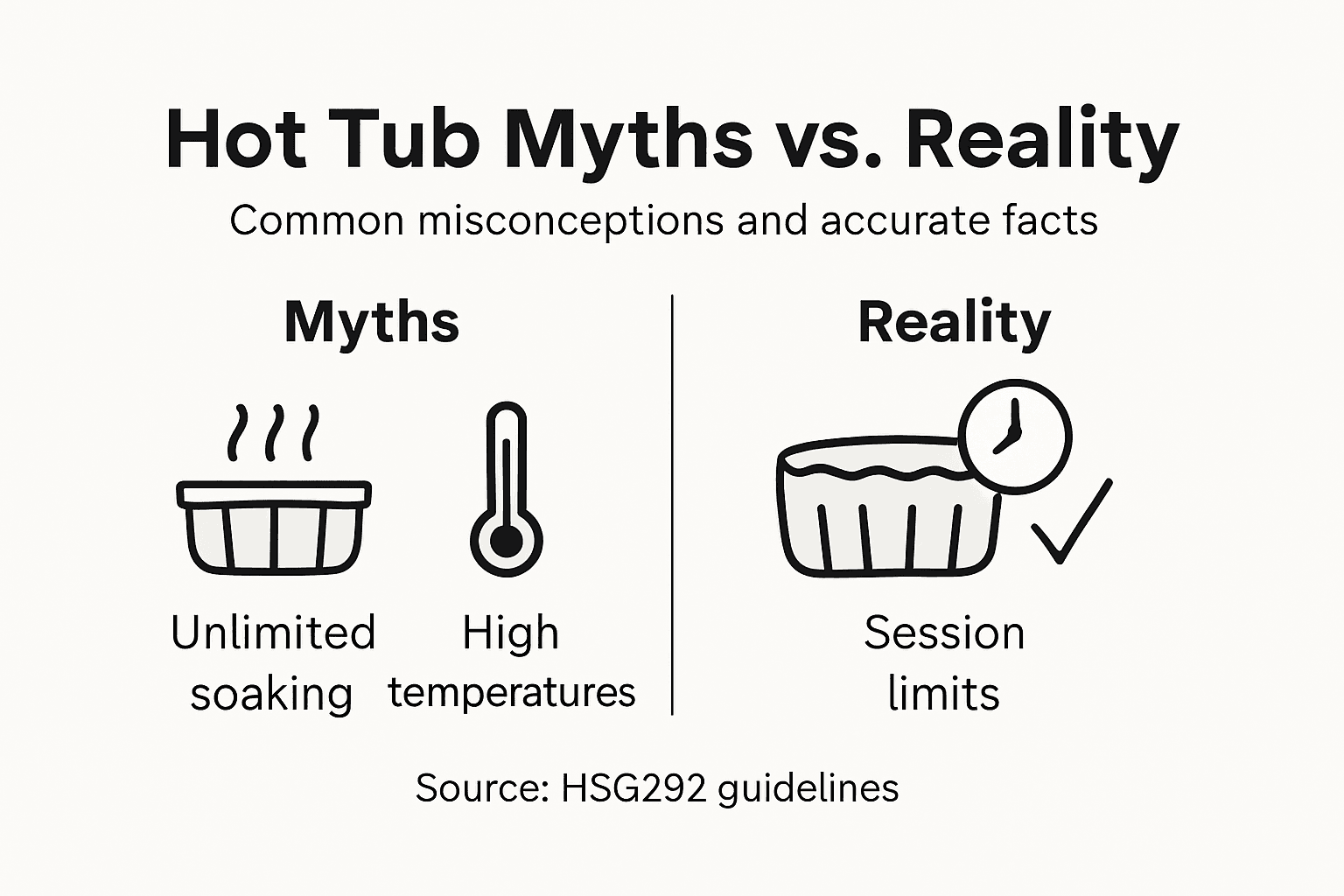
Contrary to popular misconceptions, healthy hot tub use isn’t about unlimited soaking or extreme temperatures. It involves understanding precise conditions that promote physical wellbeing without risking personal health. Common myths persist about hot tub benefits and risks, often stemming from anecdotal evidence rather than scientific research. These myths can range from exaggerated claims about miraculous healing properties to unfounded fears about potential health hazards.
Key aspects of a truly healthy hot tub experience include maintaining appropriate water temperature, ensuring proper chemical balance, practising appropriate hygiene, and understanding individual health limitations. For instance, individuals with cardiovascular conditions or pregnancy should consult healthcare professionals before regular hot tub use. The goal is creating a therapeutic environment that supports relaxation and potential physiological benefits while prioritising user safety.
The table below outlines the main myths and facts related to hot tub health and usage:
| Common Myth | Reality | Why It Matters |
|---|---|---|
| Longer soaking is safer | Short sessions are healthiest | Reduces overexposure risks |
| High heat offers more benefit | Moderate heat is optimal | Prevents heat stress and exhaustion |
| All users can use hot tubs safely | Some medical conditions require caution | Protects vulnerable individuals |
| Hot tubs do not require frequent care | Regular testing and treatment vital | Ensures hygienic, safe environment |
Pro tip: Always test water temperature and chemical levels before entering your hot tub, and limit initial sessions to 15-20 minutes to allow your body to adjust gradually.
Water Treatment, Hygiene, and Chemical Care
Proper hot tub water treatment is fundamental to maintaining a safe and hygienic environment. Control of Substances Hazardous to Health regulations mandate comprehensive risk management protocols for chemical usage, ensuring user safety and water quality. These guidelines require operators to implement systematic approaches to water treatment that go beyond simple cleaning procedures.
Effective water care involves a multi-step approach to chemical management and hygiene. This includes regular testing of pH levels, sanitiser concentrations, and total dissolved solids. Critical elements include maintaining appropriate chlorine or bromine levels, balancing alkalinity, and preventing bacterial growth. Waterborne disease prevention protocols emphasise the importance of consistent monitoring and precise chemical treatment to eliminate potential health risks.
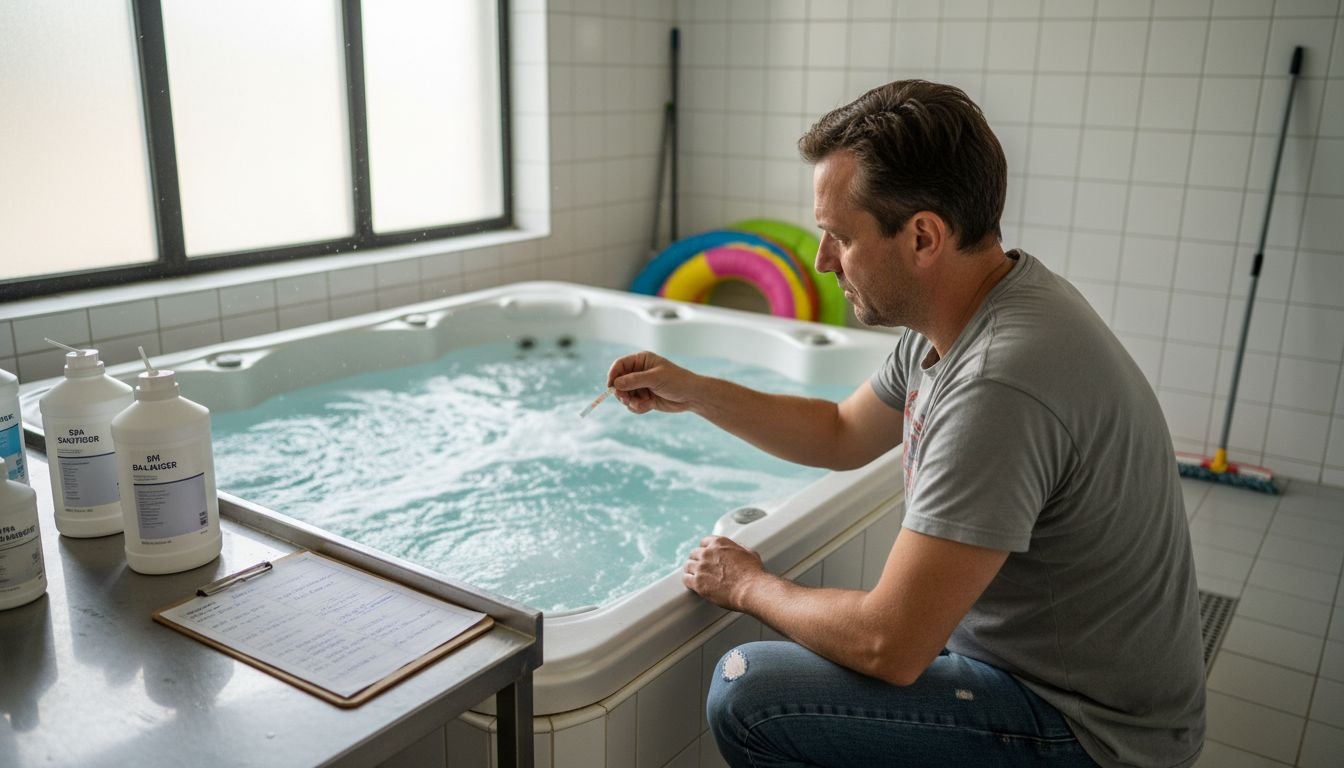
Key water treatment practices encompass several essential techniques. These include shock treatments to eliminate contaminants, using appropriate chemical testing kits, understanding water chemistry interactions, and implementing regular cleaning schedules. Hot tub owners must also consider factors like water hardness, mineral content, and potential environmental contaminants that could compromise water quality and user safety.
Pro tip: Invest in a comprehensive water testing kit and establish a weekly maintenance routine to ensure consistent water quality and chemical balance.
Temperature Control and Session Safety Guidelines
Temperature management is a critical aspect of safe hot tub usage, with heat-related health risks requiring careful monitoring. Optimal hot tub temperatures typically range between 37-40 degrees Celsius, balancing comfort and safety for most healthy adults. Understanding individual tolerance and potential health conditions becomes paramount when determining appropriate water temperatures.
Safety guidelines recommend limiting continuous hot tub sessions to 15-20 minutes, with specific considerations for different user groups. Vulnerable populations such as pregnant women, individuals with cardiovascular conditions, and older adults require more stringent temperature control and safety protocols. Key safety considerations include monitoring body temperature, staying hydrated, and recognising early signs of heat exhaustion or discomfort.
Specific temperature safety practices involve understanding personal health limitations, gradual acclimatisation, and maintaining awareness during hot tub use. Hot tub owners should install reliable thermometers, establish clear usage guidelines, and ensure proper ventilation. Additional safety measures include having a buddy system for extended sessions, keeping emergency contact information nearby, and creating a structured approach to monitoring individual physiological responses to heat exposure.
Pro tip: Install a waterproof timer near your hot tub to track session duration and remind yourself to take regular breaks and hydration intervals.
Wellness Benefits and Medical Considerations
Hot tub research exploring potential wellness benefits reveals promising insights into therapeutic applications for various populations. Regular hot tub sessions can potentially offer significant physiological advantages, including improved muscle relaxation, enhanced circulation, and reduced muscle tension. These benefits extend beyond simple relaxation, potentially supporting cardiovascular health and providing low-impact alternative exercise options for individuals with limited mobility.
Medical considerations are paramount when exploring hot tub wellness potential. Individuals with pre-existing health conditions such as heart disease, respiratory issues, or pregnancy must consult healthcare professionals before incorporating hot tub therapy into their wellness routine. Specific medical contraindications include uncontrolled hypertension, severe cardiovascular conditions, and certain neurological disorders that might be adversely affected by temperature fluctuations or prolonged heat exposure.
Wellness benefits encompass multiple physiological domains, including stress reduction, muscle recovery, and potential improvements in sleep quality. The combination of warm water, gentle hydrostatic pressure, and controlled environment can create a therapeutic experience that supports both physical and mental health. However, it is crucial to approach hot tub use as a complementary wellness strategy, not a replacement for professional medical treatment or comprehensive healthcare management.
Pro tip: Consult with your healthcare provider to develop a personalised hot tub wellness strategy tailored to your specific health profile and medical history.
Typical Risks and How to Prevent Them
Hot tub usage involves several potential health and safety risks that require proactive management. Heat-related health risks demand comprehensive prevention strategies, particularly for vulnerable populations. Primary risks include dehydration, heat exhaustion, cardiovascular stress, and potential exposure to waterborne pathogens. Understanding these risks allows users to implement targeted protective measures and maintain a safe hot tub environment.
Critical prevention approaches involve systematic hazard identification and risk control techniques. This includes regular water quality testing, maintaining appropriate chemical balances, ensuring proper filtration, and implementing strict cleaning protocols. Specific risk mitigation strategies encompass monitoring water temperature, limiting session duration, providing adequate hydration, and creating clear usage guidelines that address individual health conditions and potential vulnerabilities.
Additional risks extend beyond physiological concerns to include physical safety considerations. Slip hazards, electrical risks, and potential chemical exposure require meticulous attention. Hot tub owners should install non-slip surfaces, ensure proper electrical installations, maintain clear emergency protocols, and educate all users about potential safety challenges. Comprehensive risk management involves continuous monitoring, regular equipment maintenance, and fostering a culture of safety awareness among hot tub users.
Pro tip: Create a visible safety checklist near your hot tub that outlines key risk prevention steps, emergency contacts, and recommended usage guidelines.
UK Standards and HSG282 Compliance Essentials
HSG282 represents the definitive Health and Safety Executive guidance for managing hot tub and spa-pool safety in the United Kingdom. This comprehensive regulatory framework establishes critical standards for preventing waterborne diseases, particularly Legionella, and provides operators with a structured approach to risk management. The guidance applies to commercial and residential hot tub environments, ensuring a systematic protocol for water treatment, maintenance, and user protection.
Compliance with HSG282 involves multiple critical components, including comprehensive risk assessments, detailed water quality management, and rigorous monitoring protocols. Hot tub operators must implement systematic testing procedures that include regular chemical balance checks, bacterial screening, and maintenance documentation. These requirements extend beyond simple cleaning, demanding a proactive approach to identifying and mitigating potential health risks associated with hot tub usage.
Key compliance elements encompass precise documentation, staff training, and continuous risk evaluation. Operators must maintain detailed records of water testing, chemical treatments, equipment maintenance, and any incidents or corrective actions. The standards emphasise the importance of understanding specific environmental factors that might influence water quality, such as user load, water temperature, and potential contamination sources. Failing to meet these standards can result in significant legal and health consequences, making rigorous adherence crucial for responsible hot tub management.
This summary compares key UK hot tub compliance measures for safe management:
| Standard | Core Requirement | Impact on Safety |
|---|---|---|
| HSG282 | Routine water testing | Prevents disease risk |
| COSHH | Chemical risk assessment | Minimises exposure hazards |
| Staff Training | Safety and operation education | Ensures correct procedures |
| Maintenance Logs | Detailed records and audits | Aids accountability and response |
Pro tip: Create a dedicated compliance folder with all HSG282 documentation, including weekly water test results, maintenance logs, and risk assessment records to demonstrate systematic safety management.
Elevate Your Hot Tub Wellness and Safety with ClearSpa
Maintaining a healthy hot tub is essential for enjoying all its wellness benefits safely. As detailed in the article, managing water treatment, chemical balance, and temperature control are vital to prevent health risks and enhance relaxation. ClearSpa understands these challenges and offers a comprehensive range of top-quality water treatment products designed to keep your hot tub pristine and safe for every soak.
Take control of your hot tub care today by choosing ClearSpa’s trusted solutions. Whether you need specialised hot tub chemicals or tools to maintain perfect water quality, our products help you comply with safety standards like HSG282 and COSHH effortlessly. Visit ClearSpa now to explore our extensive range. Don’t compromise on safety or wellness - create your ideal therapeutic environment with ClearSpa’s expert water treatment options and enjoy peace of mind every time you use your hot tub.
Frequently Asked Questions
What are the health benefits of using a hot tub?
Regular hot tub use can offer various health benefits, including improved muscle relaxation, enhanced circulation, stress reduction, and potential improvements in sleep quality. However, it’s important to approach hot tub use as a complement to professional medical treatment.
How can I ensure my hot tub water is safe to use?
To maintain a safe hot tub environment, regularly test the pH levels, sanitiser concentrations, and total dissolved solids in the water. Follow a consistent maintenance routine that includes water treatment and cleaning protocols to ensure high water quality.
What is the recommended temperature for hot tub use?
The optimal temperature for hot tub use typically ranges between 37-40 degrees Celsius. It’s crucial to consider individual tolerance and health conditions when determining the appropriate temperature for safe enjoyment.
Are there any risks associated with hot tub use?
Yes, potential risks include dehydration, heat exhaustion, and exposure to waterborne pathogens. To mitigate these risks, limit soaking time to 15-20 minutes, stay hydrated, and monitor water quality and temperature consistently.