Complete Guide to Why Replace Spa Water
Learn why replacing spa water is essential. This guide covers water quality, frequency, health implications, and chemical management for UK hot tubs.
Most british hot tub owners are surprised to learn that neglecting spa water replacement increases the risk of contamination and costly damage. The water in your spa quietly collects oils, chemicals, and debris that standard filters simply cannot remove. Over time, this mix transforms soothing water into a potential health hazard. Understanding why and how to replace spa water helps keep your relaxation routine safe, your equipment protected, and your investment lasting longer.
Table of Contents
- What Replacing Spa Water Means
- How Spa Water Degrades Over Time
- Risks of Not Changing Spa Water Regularly
- Best Practices for Draining and Refilling
- Alternatives to Full Water Replacement
Key Takeaways
| Point | Details |
|---|---|
| Importance of Regular Water Replacement | Regularly draining and refilling spa water maintains optimal water quality and hygiene, reducing health risks. |
| Impact of Contaminants on Water Quality | Contaminants from bathers and external sources degrade water clarity and sanitiser effectiveness, necessitating complete water changes. |
| Risks of Neglecting Water Maintenance | Failing to change the water regularly can lead to bacterial growth, unpleasant odours, and potential damage to spa infrastructure. |
| Best Practices for Drainage and Refilling | A systematic approach to draining and refilling ensures effective cleaning and proper water chemistry, enhancing spa longevity and safety. |
What Replacing Spa Water Means
Replacing spa water is a critical maintenance process that involves completely draining and refilling your hot tub with fresh water. This essential practice helps maintain optimal water quality and ensures a safe, hygienic spa experience. Water replacement goes beyond simple cleaning by eliminating accumulated contaminants that standard filtration cannot remove.
The process involves more than just swapping out liquid. Over time, hot tub water accumulates a range of unwanted substances like body oils, skin cells, lotions, and environmental debris. These microscopic particles build up despite regular chemical treatments and filtration, gradually compromising water clarity and potentially creating an environment conducive to bacterial growth. Spa water care requires periodic complete drainage to reset water conditions and prevent potential health risks.
When you replace spa water, you’re essentially performing a comprehensive reset for your hot tub. This means draining every single drop of existing water, thoroughly cleaning the shell and internal components, and then refilling with fresh water treated with appropriate chemicals. The benefits are significant: improved water quality, reduced risk of scale buildup, minimised potential for bacterial contamination, and a more enjoyable spa experience. By understanding and implementing regular water replacement, hot tub owners can protect their investment and ensure a clean, safe relaxation environment.
How Spa Water Degrades Over Time
Spa water is continuously exposed to a complex environment that progressively compromises its quality and effectiveness. Spa water impurities accumulate through multiple channels, creating a challenging maintenance scenario for hot tub owners. Bathers introduce significant contaminants during each use, including body oils, sweat, dead skin cells, and personal care products like lotions and sunscreens. These substances gradually break down the water’s chemical balance and create an increasingly challenging environment for sanitisation.
The degradation process involves more than just visible contamination. Total dissolved solids (TDS) steadily increase with each use, causing progressive water quality deterioration. Environmental factors like dust, pollen, and airborne particles further compound the problem, introducing additional impurities that compromise water clarity and sanitiser effectiveness. As these contaminants build up, spa water becomes increasingly cloudy, develops unpleasant odours, and loses its ability to maintain proper chemical equilibrium.
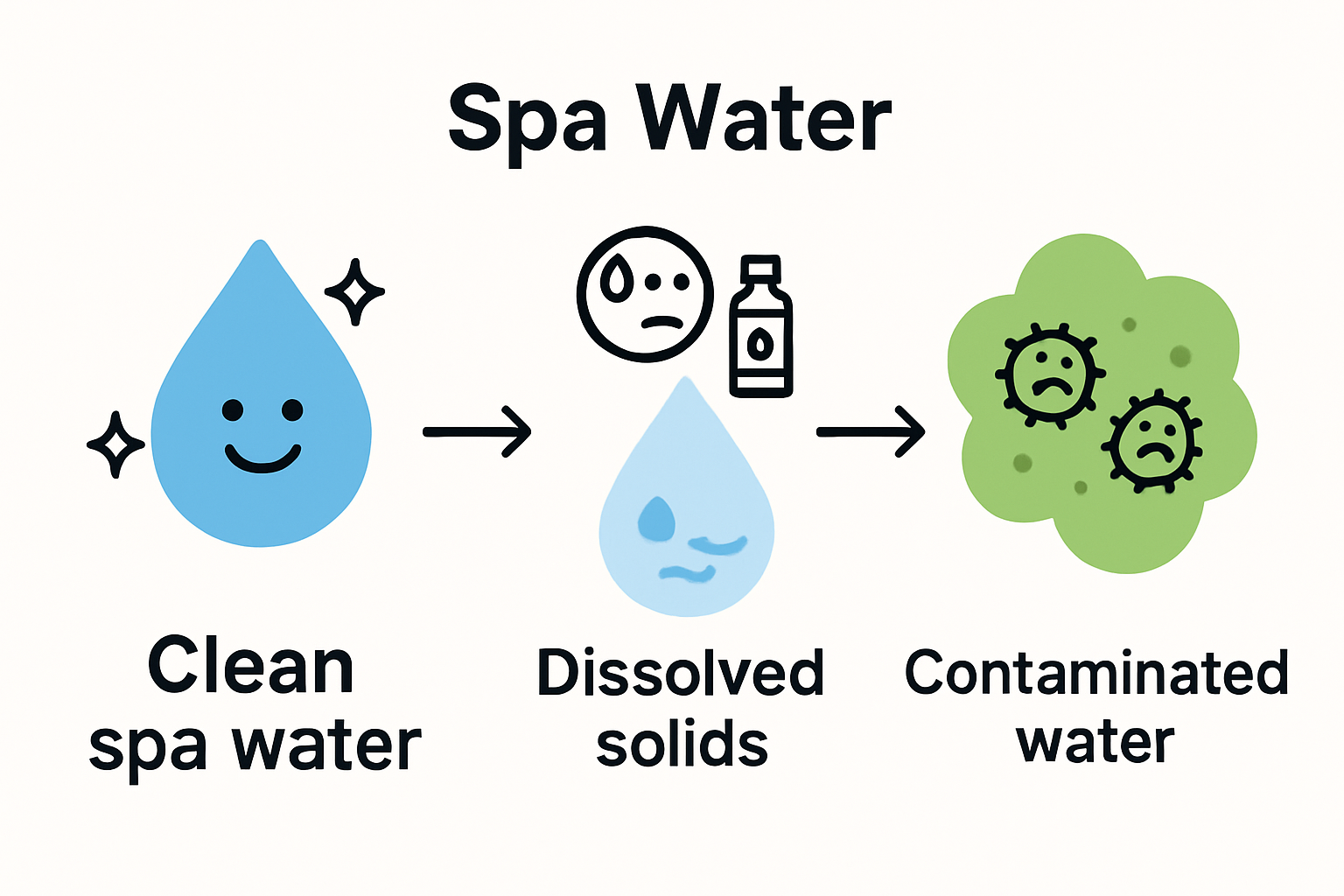
Chemical treatments themselves contribute to water degradation over time. While necessary for maintaining hygiene, repeated chemical additions incrementally alter water composition. Water shock treatments can temporarily improve water quality, but they cannot permanently resolve the underlying accumulation of dissolved solids and organic compounds. Regular water replacement becomes crucial to reset these chemical dynamics, ensuring a clean, safe, and enjoyable spa experience that protects both the water quality and the spa’s internal components.
Risks of Not Changing Spa Water Regularly
Water quality degradation represents a significant health hazard when spa owners neglect regular water replacement. The consequences of stagnant spa water extend far beyond mere aesthetic concerns, potentially creating a breeding ground for harmful microorganisms and chemical imbalances that compromise user safety. Regular spa water exposure to human contaminants, environmental debris, and repeated chemical treatments gradually transforms the water into a complex cocktail of potentially dangerous substances.
The most immediate risks involve bacterial proliferation and compromised sanitiser effectiveness. When total dissolved solids (TDS) accumulate unchecked, the water’s chemical composition becomes increasingly unstable. Spa water that isn’t regularly changed can develop high concentrations of organic compounds, skin cells, body oils, and environmental particulates. These contaminants not only create unpleasant odours and cloudy water but also significantly reduce the efficiency of sanitising chemicals, leaving users vulnerable to potential skin infections and respiratory complications.
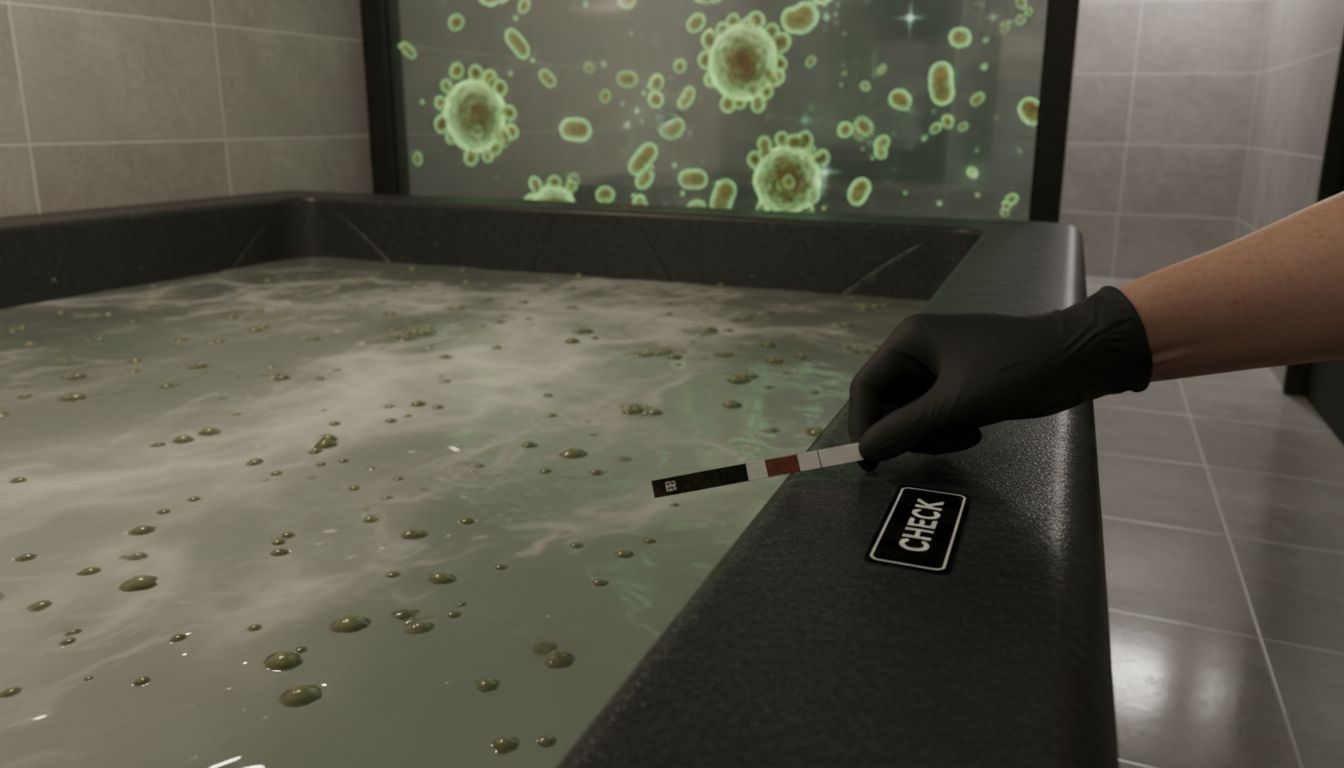
Beyond health risks, neglecting spa water replacement can cause substantial damage to the spa’s infrastructure. Ask an expert about spa pool maintenance and they’ll confirm that prolonged exposure to chemically degraded water can corrode internal components, damage heating elements, and compromise filtration systems. The accumulation of mineral deposits, scale, and organic residues can lead to expensive repairs or complete system failure. Ultimately, investing a small amount of time and effort in regular water replacement is far more cost-effective than facing potentially thousands of pounds in restoration or replacement expenses.
Best Practices for Draining and Refilling
Properly draining and refilling your spa requires a systematic approach that protects both the equipment and water quality. Maintaining clean spa water begins with careful preparation and methodical execution. Before starting the drainage process, owners should disconnect electrical power to prevent potential damage and ensure complete safety. Gather necessary equipment in advance, including a submersible pump, garden hose, cleaning supplies, and protective gloves to streamline the entire procedure.
The drainage process demands meticulous attention to detail. Water removal should be conducted systematically, ensuring all water is completely evacuated from the spa shell, pipes, and internal plumbing systems. Use a wet-dry vacuum or submersible pump to remove residual water from hard-to-reach areas, preventing potential bacterial growth and mineral deposit formation. Clean the spa shell thoroughly using specialised cleaning products designed specifically for hot tub surfaces, paying extra attention to waterlines, jets, and corners where contaminants tend to accumulate.
Refilling requires equal precision and careful chemical management. After thorough cleaning, carefully refill the spa with fresh water, ensuring proper water levels and avoiding air locks in the plumbing system. Use a pre-filter attachment on your garden hose to remove potential impurities before they enter the spa. Once filled, immediately test and balance the water chemistry, adding the appropriate sanitisers and balancing chemicals to create an optimal environment. Maintaining consistent water chemistry from the moment of refilling is crucial for long-term spa performance and user safety.
Alternatives to Full Water Replacement
Spa water balance can be maintained through several strategic maintenance techniques that help postpone complete water replacement. Preventative measures play a crucial role in extending water longevity and reducing the frequency of full drainage. Proactive spa owners can implement a range of practices designed to minimise contaminant accumulation and preserve water quality, focusing on reducing the introduction of foreign substances and maintaining robust chemical equilibrium.
Key preventative strategies include establishing strict user protocols and enhancing filtration systems. Requiring spa users to shower before entry, minimising cosmetic product usage, and using floating absorption pads can dramatically reduce organic contaminant introduction. Regular and thorough filter maintenance becomes paramount, with recommended cleaning intervals of every four to six weeks. High-quality shock treatments and precision chemical balancing can help neutralise organic compounds and reset water chemistry without necessitating complete drainage.
Advanced water treatment technologies offer additional alternatives to full replacement. Utilising advanced oxidation processes, ultraviolet sanitisation systems, and specialised enzymatic treatments can significantly extend water usability. These methods work by breaking down organic compounds, eliminating bacterial growth, and restoring water clarity more comprehensively than traditional chemical treatments. While these techniques cannot indefinitely postpone water replacement, they provide spa owners with powerful tools to maintain water quality, reduce chemical consumption, and minimise the environmental and financial costs associated with frequent complete water changes.
Keep Your Spa Water Crystal Clear and Safe with ClearSpa
The challenge of maintaining pristine spa water is one every hot tub owner faces. As the article explains, accumulated body oils, lotions, and total dissolved solids can degrade water quality and create health risks. Regular water replacement is essential, but pairing this with carefully balanced chemical treatments and effective cleaning products makes all the difference. At ClearSpa, we understand the frustration of cloudy or odorous spa water and the worry of costly damage caused by neglecting water care.
Take control of your hot tub’s health today by exploring our specially formulated range of hot tub chemicals and spa essentials designed to support regular water replacement and balance. Discover how you can extend the life of your spa while enjoying a beautifully clean, safe soak every time. Visit ClearSpa to find trusted solutions and practical advice on spa water care and water shock treatments. Don’t wait for your water to turn. Act now and protect your investment with ClearSpa’s expert products and guidance.
Frequently Asked Questions
Why is it important to replace spa water regularly?
Replacing spa water regularly is essential for maintaining optimal water quality and hygiene. Over time, contaminants such as body oils, sweat, and lotions accumulate, compromising the effectiveness of sanitation and risking health issues like bacterial growth.
What happens if I don’t change my spa water frequently enough?
Neglecting to change spa water can lead to bacterial proliferation, unpleasant odours, and cloudy water. It also reduces the efficiency of sanitising chemicals, increasing the risk of skin infections and damaging the spa’s internal components.
How can I prolong the time between water replacements for my spa?
You can prolong water life by implementing preventative measures such as requiring users to shower before entering, minimising cosmetic products, and enhancing filtration systems. Regular filter maintenance and the use of shock treatments can also help maintain water quality.
What is the process for draining and refilling spa water?
Draining and refilling spa water involves disconnecting electrical power, using a submersible pump to remove all water, thoroughly cleaning the spa shell, and then refilling it with fresh water. After filling, it’s crucial to test and balance the water chemistry immediately.