Understanding Why Hot Tub Water Changes Naturally
Explore why hot tub water changes naturally, its importance, and how water chemistry affects your hot tub experience for better enjoyment.
Hot tub water might look soothing and clear but a single session can turn that peace on its head. Did you know that pH, sanitiser levels, and total dissolved solids can swing dramatically in just a matter of hours. Most people think once you fill a hot tub, you just need to relax and forget about it. The shocker is that every dip, every splash, and every tiny change in temperature sets off a hidden chain reaction in your water chemistry that demands your attention.
Table of Contents
- The Importance Of Hot Tub Water Quality
- Factors That Lead To Water Changes In Hot Tubs
- Chemical Imbalance And Its Effects On Water
- How Water Temperature Influences Change
- Real-World Implications Of Water Changes
Quick Summary
| Takeaway | Explanation |
|---|---|
| Regularly monitor water chemistry | Frequent testing of pH, sanitiser levels, and total dissolved solids is essential for safe hot tub use. |
| Maintain proper sanitiser levels | Correct chlorine or bromine levels prevent harmful bacteria growth and ensure user safety. |
| Manage user-related contaminants | Body oils, cosmetics, and organic matter disrupt water quality; preventive practices are crucial for hygiene. |
| Be aware of environmental factors | Airborne contaminants and temperature fluctuations impact water chemistry; ongoing assessment is critical. |
| Identify symptoms of chemical imbalance | Recognising signs like skin irritation or equipment degradation can prevent long-term health and financial consequences. |
The Importance of Hot Tub Water Quality
Hot tub water quality is more than just a maintenance task - it’s a critical aspect of ensuring a safe, enjoyable, and hygienic spa experience. Understanding why hot tub water changes naturally and maintaining its quality requires comprehensive knowledge about water chemistry, environmental factors, and potential contamination risks.
Chemical Balance and Water Transformation
Water in hot tubs is a dynamic environment constantly subjected to multiple influencing factors. Proper hot tub chemicals play a pivotal role in managing these transformations. The water’s chemical composition can shift rapidly due to several key reasons:
- Human body oils and perspiration
- Residual cosmetic products
- Environmental debris
- Bacterial growth potential
- Mineral content variations
These factors contribute to continuous water chemistry modifications, making regular monitoring essential. The pH levels, sanitiser concentration, and total dissolved solids can change dramatically within short periods, potentially compromising water quality and user safety.
Biological and Environmental Interactions
According to Water Quality Research Foundation, hot tub water is particularly vulnerable to microbial contamination. The warm water environment creates an ideal breeding ground for bacteria, algae, and other microorganisms. External contaminants introduced by users - such as skin cells, hair, and environmental particles - further accelerate these natural water changes.
Understanding these interactions helps hot tub owners appreciate the complexity of water maintenance. Each use introduces new variables that can disrupt the delicate chemical balance, necessitating proactive management and regular testing.
Health and Safety Implications
Negligecting water quality can lead to significant health risks. Improperly maintained hot tub water can harbour harmful pathogens, potentially causing skin irritations, respiratory issues, and more serious waterborne infections. Regular water quality assessment becomes not just a maintenance requirement, but a critical health protection strategy.
Factors That Lead to Water Changes in Hot Tubs
Hot tub water is a complex system continuously influenced by multiple environmental and user-related factors. Understanding these factors is crucial for maintaining optimal water quality and preventing unexpected chemical transformations. Each interaction with the hot tub introduces potential changes to water composition.
This table organises the main types of contaminants and influences affecting hot tub water, helping readers to quickly identify sources of water chemistry changes.
| Source Type | Examples | Effects on Water Quality |
|---|---|---|
| User-Introduced | Body oils, sweat, personal care products, hair | Increases organic load, disrupts sanitisers, feeds bacteria |
| Environmental | Airborne dust, pollen, temperature fluctuations | Introduces particulate matter, alters chemical balance |
| Chemical Interactions | Microbial activity, mineral variation | Causes chemical breakdown, encourages microbial proliferation |
| Temperature | Warm water from tub heating | Accelerates reactions, reduces sanitiser effectiveness, increases bacterial growth |
User-Introduced Contaminants
Hot tub maintenance begins with recognising the primary sources of water transformation. Users themselves are significant contributors to water chemistry alterations. Every individual who enters the hot tub brings unique biological and chemical elements that fundamentally change water characteristics:
- Natural body oils and sweat
- Residual personal care products
- Dead skin cells
- Hair and organic matter
- Cosmetic and sunscreen residues
These organic substances interact with water chemistry, potentially disrupting sanitiser effectiveness and creating environments conducive to bacterial growth.
Environmental Influences
According to National Swimming Pool Foundation, environmental factors play a substantial role in hot tub water composition. External elements can dramatically impact water quality within remarkably short timeframes:
- Airborne dust and debris
- Pollen and plant materials
- Ambient temperature fluctuations
- Humidity levels
- Wind-carried microscopic particles
Each environmental interaction introduces new chemical compounds and potential contaminants, necessitating constant water monitoring and proactive maintenance strategies.
Chemical and Biological Interactions
Water chemistry in hot tubs represents a delicate balance constantly under siege from multiple transformation mechanisms. Microbial activity, mineral content variations, and chemical reactions occur simultaneously, creating a dynamic ecosystem that requires sophisticated management. Temperature plays a crucial role - warm water accelerates chemical reactions and provides ideal conditions for rapid microbial proliferation, making regular water quality assessments not just recommended, but essential for safe hot tub usage.
Chemical Imbalance and its Effects on Water
Chemical imbalance in hot tub water represents a critical challenge that can compromise both water quality and user safety. Understanding the intricate dynamics of water chemistry is fundamental to maintaining a healthy spa environment. The delicate equilibrium of chemical components can be disrupted by numerous factors, leading to potentially harmful consequences.
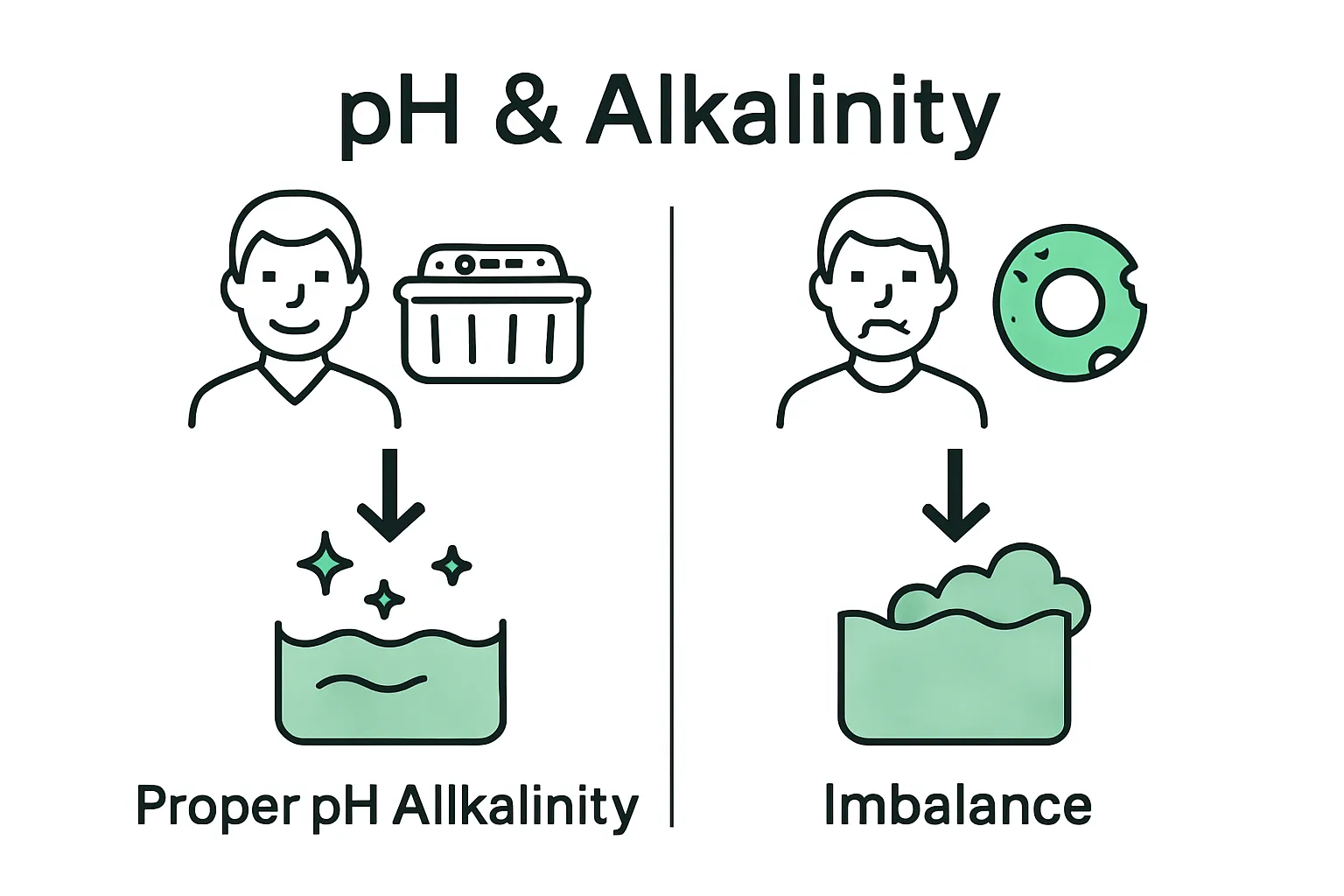
pH and Alkalinity Interactions
Water balancing is a sophisticated process involving precise management of pH and alkalinity levels. These two interconnected parameters play a crucial role in determining water quality and potential chemical reactions:
- pH measures the water’s acidity or alkalinity
- Total alkalinity acts as a buffer against rapid pH changes
- Ideal pH range for hot tubs is between 7.2 and 7.8
- Imbalances can cause corrosion or scaling of equipment
When pH levels drift outside the recommended range, water becomes increasingly problematic. Acidic water can corrode metal components and irritate skin, while overly alkaline water can cause clouding and reduce sanitiser effectiveness.
The following table compares the key chemical factors affecting hot tub water and explains how imbalances in each can impact water quality and user experience.
| Chemical Factor | Description | Impact of Imbalance |
|---|---|---|
| pH | Measures water acidity or alkalinity | Corrosion or scaling, skin irritation, reduced sanitiser effectiveness |
| Total Alkalinity | Buffers pH changes | Unstable pH, risk of rapid chemical fluctuations |
| Sanitiser (Chlorine/Bromine) | Disinfects and kills microorganisms | Increased bacteria and algae, odours, unsafe bathing conditions |
| Mineral Content | Refers to calcium and magnesium levels | Scale build-up, equipment damage, surfaces become rough or abrasive |
| Total Dissolved Solids | Measures concentration of dissolved substances | Cloudy water, diminished effectiveness of sanitisers, potential equipment issues |
Sanitiser Effectiveness and Chemical Breakdown
According to Water Quality Research Foundation, chemical imbalances dramatically impact sanitiser performance. Chlorine and bromine - primary hot tub sanitisers - become significantly less effective when water chemistry is disrupted. Factors such as temperature, sunlight exposure, and organic contaminants accelerate chemical degradation, reducing the sanitiser’s ability to eliminate harmful microorganisms.
Mineral Content and Potential Complications
Mineral accumulation represents another critical aspect of chemical imbalance. Hard water containing high calcium and magnesium levels can create substantial challenges. Excessive mineral content leads to scale formation, potentially damaging heating elements and reducing overall hot tub efficiency. These mineral deposits can create rough surfaces that harbour bacteria, further compromising water quality and potentially leading to more complex maintenance issues.
How Water Temperature Influences Change
Water temperature is a fundamental driver of chemical and biological transformations in hot tub environments. Temperature acts as a catalyst, accelerating complex interactions that continuously reshape water composition. Understanding these thermal dynamics is crucial for maintaining optimal water quality and preventing unexpected chemical shifts.
Thermal Acceleration of Chemical Reactions
Hot tub maintenance requires comprehensive knowledge of how temperature influences water chemistry. Elevated temperatures create an environment where molecular interactions occur at significantly increased rates:
- Chemical compounds break down faster
- Sanitiser effectiveness diminishes more rapidly
- Bacterial growth becomes exponentially more probable
- Mineral precipitation rates increase
- Organic contaminants decompose more quickly
As water temperature rises, molecular kinetic energy intensifies, causing chemical bonds to destabilise and react more frequently.
 This thermal dynamic fundamentally transforms water’s intrinsic properties.
Microbial Proliferation and Thermal Conditions
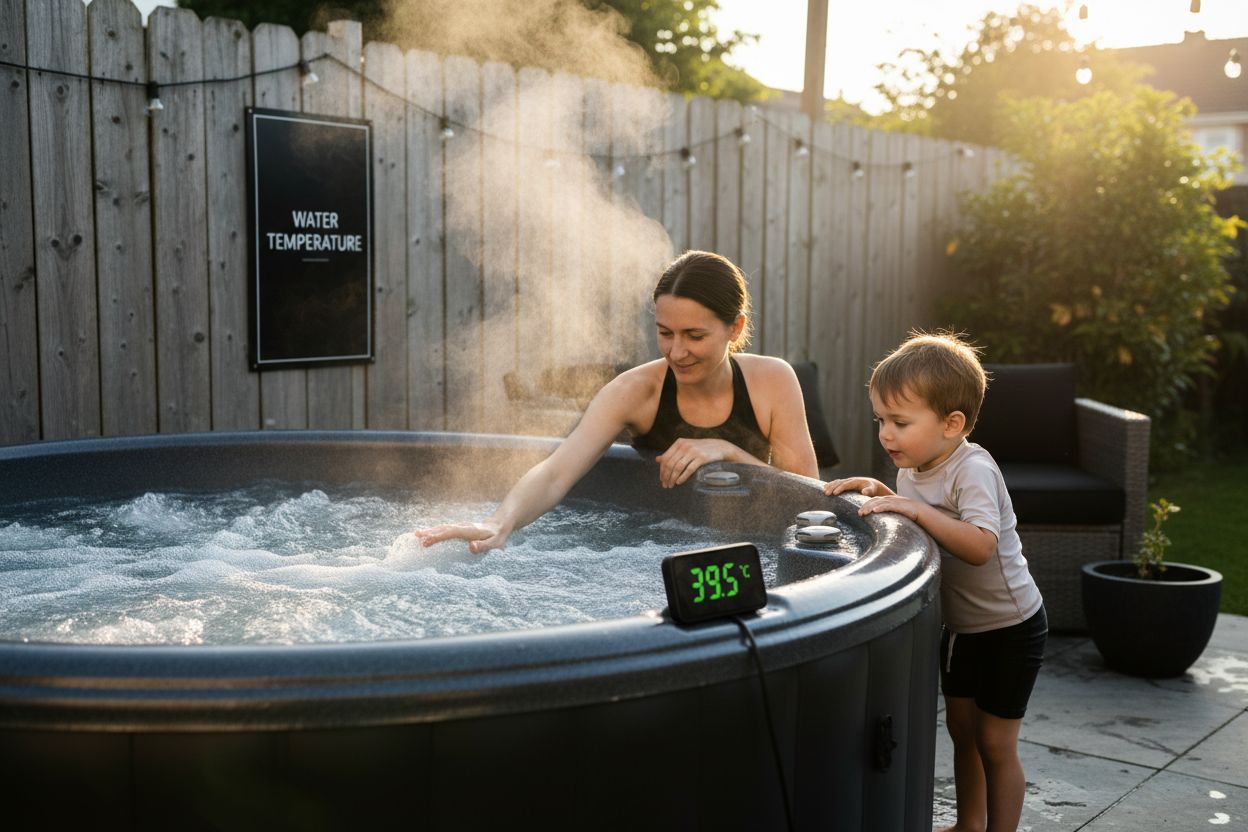
According to National Institutes of Health, warm water environments provide ideal conditions for microbial proliferation. Temperatures between 37-40 degrees Celsius create optimal breeding grounds for potentially harmful microorganisms. These conditions accelerate bacterial reproduction rates, potentially compromising water safety within remarkably short timeframes.
Thermal Impact on Sanitiser Performance
Water temperature directly correlates with sanitiser degradation, creating a complex challenge for hot tub owners. Higher temperatures cause chlorine and bromine to dissipate more rapidly, reducing their ability to neutralise contaminants effectively. This thermal acceleration means sanitiser concentrations can drop precipitously, leaving water vulnerable to bacterial colonisation and potential health risks. Regular monitoring and proactive chemical management become essential strategies for maintaining a safe and hygienic hot tub environment.
Real-World Implications of Water Changes
Water changes in hot tubs extend far beyond theoretical concerns, presenting tangible risks that can significantly impact user health, equipment performance, and overall spa experience. Understanding these practical consequences is crucial for responsible hot tub ownership. Each unaddressed water transformation potentially introduces complex challenges.
Health and Safety Consequences
Hot tub maintenance directly intersects with critical health considerations. Unmanaged water chemistry can create environments conducive to serious health risks:
- Potential respiratory infections
- Skin irritation and dermatological complications
- Risk of Legionnaires disease
- Bacterial and fungal growth
- Compromised immune system responses
Contaminants proliferating in unstable water conditions can cause immediate and long-term health complications, transforming what should be a relaxing experience into a potential medical concern.
Equipment and Infrastructure Degradation
According to Health and Safety Executive, uncontrolled water chemistry accelerates equipment deterioration. Chemical imbalances initiate progressive damage mechanisms that compromise hot tub structural integrity:
- Accelerated metal component corrosion
- Premature seal and gasket breakdown
- Heating element efficiency reduction
- Plumbing system mineral accumulation
- Surface material degradation
Financial and Maintenance Implications
Neglecting water quality management results in exponentially increasing maintenance costs. Each unaddressed chemical transformation can trigger cascading maintenance requirements. Potential financial implications include expensive equipment replacements, increased chemical treatments, and potentially complete hot tub system rehabilitation. Regular monitoring and proactive intervention represent significantly more cost-effective strategies compared to reactive maintenance approaches.
Take Control of Your Hot Tub Water Quality with ClearSpa
Have you noticed how hot tub water can change even after careful care? If you are frustrated by chemical imbalances, rapid bacterial growth, or unwanted mineral build-up, you are not alone. The article highlighted how factors such as fluctuating pH levels, persistent contaminants, and rising temperatures can quickly undermine water clarity and safety. The trouble is, even the smallest imbalance can lead to frequent cleaning, uncomfortable bathing experiences, and expensive damage. Imagine the peace of mind you will feel when your hot tub water stays clear, balanced, and inviting.

Restore confidence in your spa routine today. Explore our expertly tested hot tub chemicals or discover easy hot tub maintenance solutions purpose-built to tackle these water quality challenges. Visit ClearSpa now and transform your maintenance routine into a relaxing ritual. Act now for a better bathing experience and long-term equipment savings.
Frequently Asked Questions
What causes hot tub water to change?
Water in hot tubs changes due to several factors, including human body oils, sweat, residual cosmetic products, environmental debris, and potential bacterial growth. Each use introduces new contaminants that can alter water chemistry.
How can I maintain hot tub water quality?
Maintaining hot tub water quality involves regular monitoring of pH levels, sanitizer concentration, and total dissolved solids. It’s essential to use proper hot tub chemicals and regularly test the water to ensure a balanced chemical composition.
Why is temperature important for hot tub water quality?
Temperature influences chemical and biological transformations in hot tub water. Warmer water accelerates chemical reactions, reduces sanitizer effectiveness, and promotes bacterial growth, making regular temperature monitoring crucial for safe usage.
What health risks are associated with poor hot tub water quality?
Neglecting hot tub water quality can result in health risks such as skin irritation, respiratory infections, and increased vulnerability to waterborne pathogens. Keeping water well-maintained is essential for ensuring user safety.