Spa Water Replacement - Why Routine Changes Matter
Spa water replacement in the UK: discover frequency guidelines, risks of neglect, best practices, and how proper changes safeguard your hot tub experience.
Studies show that over 80 percent of British spa owners overlook proper water replacement schedules, putting both health and equipment at risk. For anyone using hot tubs and spas in the United Kingdom, skipping regular water changes can lead to rapid bacterial growth and even dangerous pathogens. This guide clarifies why spa water replacement matters, highlights hidden risks, and offers practical tips for safe, hygienic enjoyment of your spa.
Table of Contents
- What Is Spa Water Replacement?
- How Often Should Spa Water Be Changed?
- Risks of Not Replacing Spa Water
- Steps for Effective Water Replacement
- Choosing the Right Products for UK Spas
Key Takeaways
| Point | Details |
|---|---|
| Importance of Water Replacement | Regularly replacing spa water every 3-4 months is essential for hygiene and preventing health risks from bacteria. |
| Risks of Stagnation | Neglecting water replacement can lead to harmful bacterial growth, including Legionella, and potential equipment damage. |
| Effective Replacement Steps | Comprehensive steps include draining, cleaning, inspecting, refilling, and chemical balancing to ensure safety and performance. |
| Choosing Products Wisely | Select spa treatment products that are compatible with your spa materials and compliant with UK regulations for effective maintenance. |
What Is Spa Water Replacement?
Spa water replacement is a critical maintenance process involving the complete drainage and refilling of your hot tub’s water to ensure optimal hygiene and performance. This essential practice goes beyond simple water top-ups, requiring a systematic approach to maintaining water quality and preventing potential health risks.
The process fundamentally involves removing all existing water from your spa and replacing it with fresh water. This isn’t just about aesthetic cleanliness - it’s a crucial health protection strategy. According to guidance from the Chartered Institute of Plumbing and Heating Engineering, regular water replacement helps prevent bacterial growth, particularly dangerous microorganisms like Legionella that can thrive in warm, stagnant water environments. These bacteria pose significant health risks and can multiply rapidly if water is not appropriately managed.
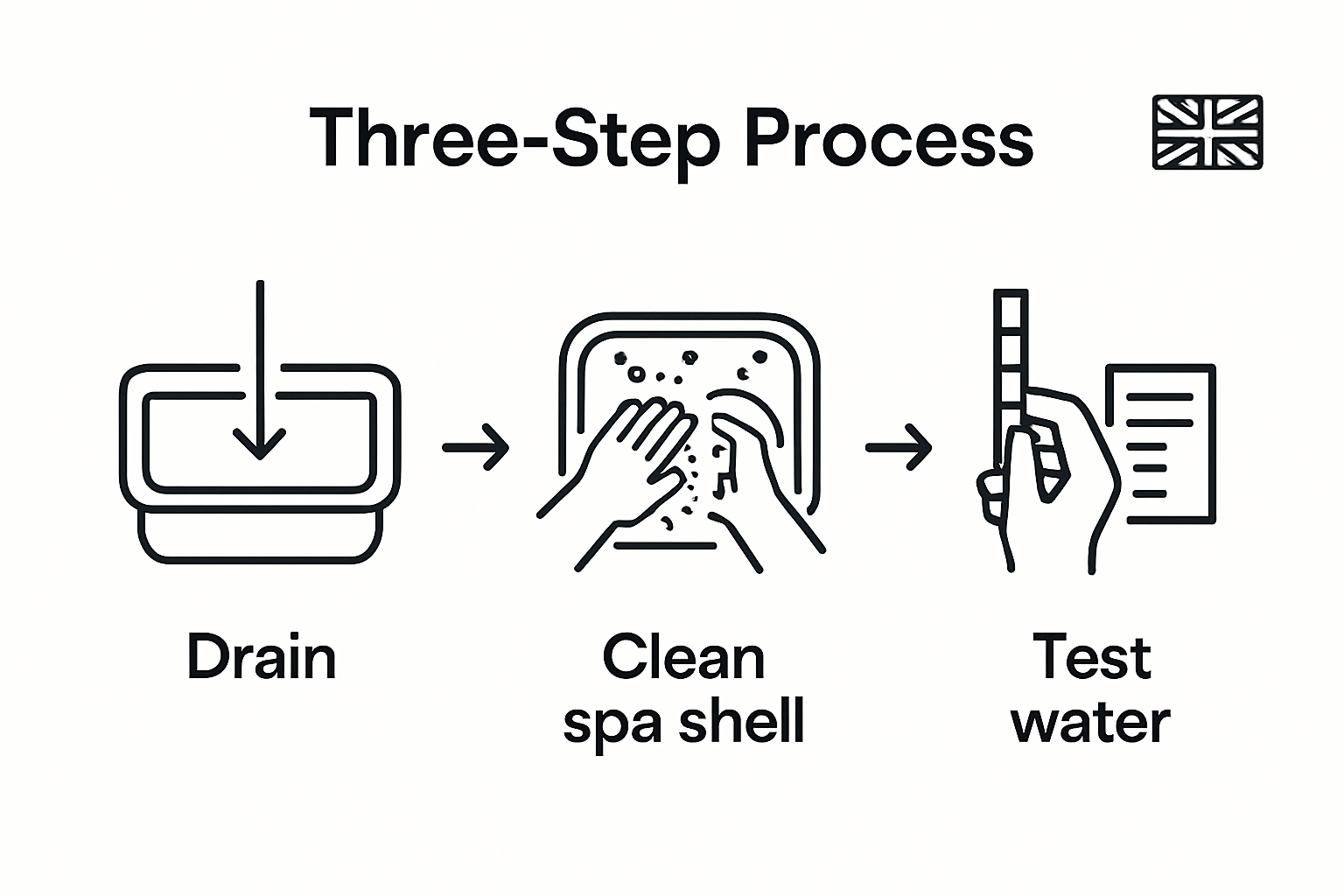
Typically, spa water replacement should occur every 3-4 months, depending on usage frequency and maintenance practices. The procedure involves several key steps:
- Completely draining the existing water
- Cleaning the spa shell thoroughly
- Checking and cleaning filters
- Refilling with fresh water
- Rebalancing chemical levels
While it might seem like a straightforward task, professional water management techniques can make a substantial difference in maintaining your spa’s longevity and ensuring a safe, enjoyable experience for all users.
How Often Should Spa Water Be Changed?
The frequency of spa water replacement depends on several critical factors, including usage intensity, user count, and maintenance practices. While general recommendations suggest changing water every 3-4 months, professional water care guidelines indicate more nuanced approaches are often necessary.
For commercial or shared spa environments, the standards are particularly stringent. Local council guidance recommends more frequent water changes, with some authorities suggesting weekly replacements or after each group of users. The UK Health and Safety Executive emphasises that water quality should be monitored through total dissolved solids (TDS) levels, which serve as a key indicator for when replacement becomes essential.
Key factors influencing water change frequency include:
- Number of spa users
- Frequency of use
- Personal hygiene of users
- Environmental conditions
- Water treatment practices
For home spa owners, a practical approach involves monitoring water quality through regular testing and maintenance. Changes might be needed earlier if you notice:
- Cloudy or discoloured water
- Persistent chemical imbalance
- Unusual odours
- Visible debris or contaminants
Professional spa water management techniques can help extend water life and ensure a safe, hygienic spa experience, but routine replacement remains a non-negotiable aspect of responsible spa ownership.
Risks of Not Replacing Spa Water
Neglecting to replace spa water can create a breeding ground for dangerous microorganisms and potential health hazards. Spa water balancing becomes increasingly challenging as contaminants accumulate, posing significant risks to user health and equipment functionality.
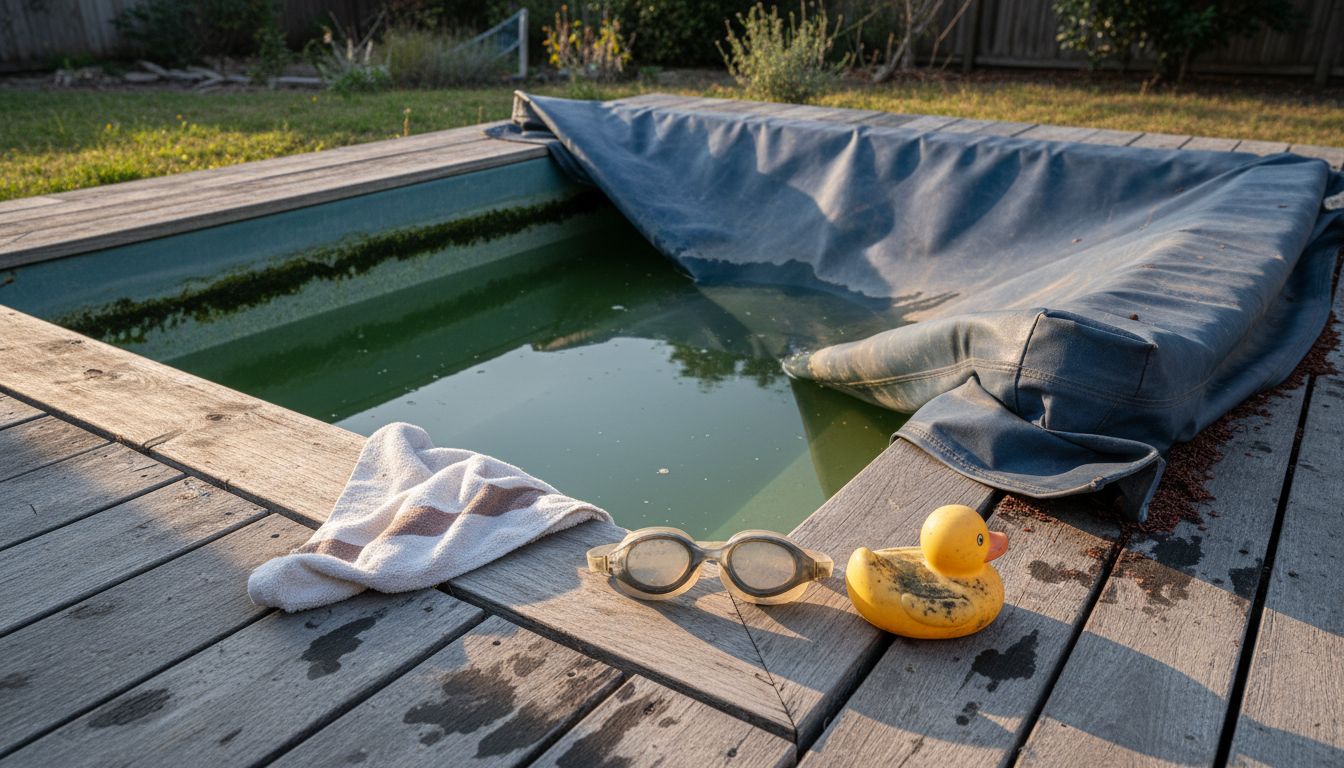
The most critical concern is bacterial proliferation. The Chartered Institute of Plumbing and Heating Engineering warns that stagnant spa water can become a dangerous reservoir for Legionella bacteria, which cause Legionnaires’ disease. These harmful microorganisms multiply rapidly in warm, static water environments, creating potentially fatal respiratory risks for unsuspecting users who might inhale contaminated water droplets.
Multiple health and safety risks emerge from prolonged water stagnation:
- Bacterial Growth: Rapid multiplication of harmful microorganisms
- Biofilm Formation: Dangerous bacterial layers developing on surfaces
- Chemical Imbalance: Ineffective sanitisation
- Cross-Contamination: Potential spread of infections
- Equipment Damage: Corrosion and mineral buildup
Beyond health concerns, persistent water contamination can cause substantial damage to your spa’s mechanical components. Spa water maintenance is not just about cleanliness, but protecting your significant investment in spa equipment. Mineral deposits, bacterial growth, and chemical imbalances can corrode pipes, damage pumps, and dramatically reduce your spa’s operational lifespan.
Steps for Effective Water Replacement
Executing a comprehensive spa water replacement requires methodical planning and precision. Water management techniques play a crucial role in ensuring a thorough and hygienic process that protects both your spa equipment and user health.
According to guidance from the UK Health and Safety Executive, the water replacement procedure involves several critical stages. These include complete drainage, meticulous surface cleaning, and systematic disinfection to eliminate potential bacterial risks. Preparation is key, requiring specific tools and careful attention to detail before beginning the replacement process.
Detailed steps for effective spa water replacement:
-
Drain the Spa Completely
- Turn off all electrical connections
- Use submersible pump for complete water removal
- Ensure no residual water remains in pipes or jets
-
Thorough Cleaning
- Clean spa shell with appropriate sanitising solution
- Scrub all surfaces, including hard-to-reach areas
- Pay special attention to waterlines and corners
-
Comprehensive Inspection
- Check filters for damage or excessive wear
- Inspect jets, seals, and internal plumbing
- Replace any compromised components
-
Refilling and Chemical Balancing
- Use fresh, clean water
- Add recommended sanitising chemicals
- Test and adjust pH and chemical levels
Professional spa maintenance practices recommend documenting each water replacement, tracking chemical usage, and maintaining a consistent schedule to ensure optimal spa performance and user safety.
Choosing the Right Products for UK Spas
Selecting appropriate spa water treatment products requires careful consideration of multiple factors specific to the United Kingdom’s unique environmental and regulatory landscape. Essential spa maintenance tools play a crucial role in maintaining water quality and ensuring user safety.
The Chartered Institute of Plumbing and Heating Engineering recommends using disinfectants that provide consistent residual protection against bacterial growth. Sanitisation products such as chlorine and bromine remain the primary defence against harmful microorganisms in spa environments. Choosing products compatible with your specific spa materials and designed for UK water conditions is essential for effective maintenance.
Key considerations when selecting spa water treatment products include:
- Chemical Compatibility: Ensuring products work with your specific spa shell material
- Water Hardness: Adapting treatments to local water mineral content
- Temperature Range: Products performing effectively in typical UK climate conditions
- Regulatory Compliance: Meeting British safety standards
- Environmental Impact: Selecting environmentally responsible chemical treatments
Professional spa sanitizer comparisons suggest exploring comprehensive starter kits that provide a balanced approach to water treatment. These kits typically include:
- pH balancers
- Sanitising agents
- Water clarifiers
- Test strips
- Shock treatments
Ultimately, understanding your specific spa’s requirements and local water conditions will guide you towards the most effective water treatment strategy.
Keep Your Spa Water Fresh and Safe with ClearSpa
Maintaining pristine spa water through regular replacement is essential to protect your health and prolong your spa’s life. If you have struggled with cloudy water, chemical imbalances or worry about harmful bacteria like Legionella, you are not alone. ClearSpa understands these challenges and offers trusted water treatment products specifically designed to help you perform effective spa water replacement and maintain perfect water balance. Using the right sanitising agents and pH balancers ensures your spa stays sparkling clean and safe for all users.
Take control of your spa care today by choosing ClearSpa’s expertly formulated chemicals and accessories. Don’t let poor water quality ruin your relaxation time or damage your spa equipment. Visit ClearSpa now to explore our wide range of solutions and make routine water replacement hassle-free and effective. Your spa experience deserves nothing less than the best.
Frequently Asked Questions
How often should I replace the water in my spa?
Spa water should typically be replaced every 3-4 months, but factors such as usage frequency and maintenance practices can influence this schedule.
What are the risks of not replacing spa water regularly?
Neglecting to replace spa water can lead to bacterial growth, biofilm formation, chemical imbalances, and potential damage to spa equipment, posing significant health risks and maintenance issues.
What steps are involved in the spa water replacement process?
The process includes draining the existing water completely, cleaning the spa shell thoroughly, inspecting and cleaning filters, refilling with fresh water, and rebalancing the chemical levels for optimal performance and safety.
What products should I use for spa water treatment?
Utilise disinfectants like chlorine or bromine to protect against harmful microorganisms. Ensure that the products are compatible with your spa materials and local water conditions for effective maintenance.