Spa Water Analysis: Why It Matters for UK Hot Tub Safety
Understand spa water analysis for safe, clear hot tubs in the UK — microbial testing, chemical balance, HSG282 compliance and maintenance tips.
Nearly every British hot tub owner is surprised to learn that improper water analysis can allow dangerous bacteria to multiply within days. Spa water quality is more than just a comfort issue - it safeguards your health and protects expensive equipment from damage. Understanding the science behind water analysis helps British users enjoy safer, more reliable relaxation, while also meeting strict legal guidelines specific to the United Kingdom.
Table of Contents
- What Spa Water Analysis Means
- Distinguishing Chemical vs Microbial Tests
- Legal Standards and HSG282 Requirements
- Understanding Safe Water Parameters
- Risks of Ignoring Water Analysis
- Best Practices for Testing Regime
Key Takeaways
| Point | Details |
|---|---|
| Importance of Water Analysis | Regular spa water analysis is essential for ensuring user safety and prolonging equipment lifespan by monitoring critical water quality parameters. |
| Chemical vs Microbial Testing | Employ both chemical and microbial testing strategies; chemical tests prevent microbial growth while microbial tests diagnose contamination risks. |
| Compliance with HSG282 | Adhering to HSG282 guidelines is vital for legal compliance and public health, necessitating rigorous water management protocols. |
| Regular Testing Regime | Implement a structured testing schedule for both chemical and microbial parameters to maintain water quality and safety. |
What Spa Water Analysis Means
Spa water analysis represents a comprehensive scientific approach to understanding and maintaining the chemical, biological, and physical characteristics of hot tub water. At its core, this process involves systematic testing and monitoring of multiple water quality parameters to ensure user safety and equipment longevity. By conducting regular water quality assessments, hot tub owners can effectively prevent potential health risks and maintain optimal water conditions.
The primary objectives of spa water analysis include detecting and managing critical factors such as pH balance, total alkalinity, sanitiser levels, and potential microbial contamination. Professionals like the Chartered Institute of Plumbing and Heating Engineering emphasise that these assessments are crucial for preventing bacterial growth, with particular attention to dangerous pathogens like Legionella that can thrive in warm water environments. By tracking these parameters, owners can create an environment that is both hygienic and comfortable.
Implementing a robust water analysis protocol involves using specialised testing equipment and understanding the specific guidelines outlined in industry standards like HSG282. Systematic monitoring of water quality parameters helps identify potential health risks before they become serious problems. This typically includes measuring chemical concentrations, checking sanitiser effectiveness, and evaluating overall water balance to maintain a safe and enjoyable hot tub experience.
Pro Hot Tub Maintenance Tip: Regular testing is key. Invest in a reliable water testing kit and perform comprehensive water checks at least once a week to catch and address any potential issues early.
Distinguishing Chemical vs Microbial Tests
Chemical and microbial tests represent two distinct yet complementary approaches to spa water analysis, each serving a crucial role in maintaining hot tub safety and hygiene. Chemical testing focuses on measuring critical water parameters such as pH levels, total alkalinity, and sanitiser concentration. These tests provide insights into the water’s chemical balance, ensuring that disinfectants are working effectively and the water environment remains stable and safe for users.
Microbial testing, in contrast, involves direct investigation of potential bacterial and pathogenic contamination within the spa water. According to the Health and Safety Executive’s guidelines, these tests aim to identify and quantify harmful microorganisms like Legionella, which can pose significant health risks in warm water environments. Microbial analysis typically involves sophisticated laboratory techniques that can detect and measure the presence of specific bacteria, helping hot tub owners understand the true microbiological status of their water.
The key distinction between these testing methods lies in their objectives and methodologies. Chemical tests provide a preventative approach by ensuring proper water chemistry, which creates an environment less hospitable to microbial growth. Microbial tests, however, offer a diagnostic approach by directly confirming the presence or absence of potentially dangerous microorganisms. Together, these testing protocols create a comprehensive water safety strategy that addresses both chemical stability and biological contamination risks.
Pro Water Testing Tip: Create a structured testing schedule that alternates between chemical and microbial testing, ensuring you capture a complete picture of your spa water’s health and safety profile.
Legal Standards and HSG282 Requirements
HSG282 guidelines represent the cornerstone of legal standards for spa water safety in the United Kingdom, establishing comprehensive requirements for operators of hot tubs and spa facilities. These regulations, developed by the Health and Safety Executive, provide a detailed framework for managing water treatment, maintenance, and monitoring to protect public health. The guidelines mandate specific protocols that help prevent potential health risks associated with improper water management, ensuring that spa facilities maintain rigorous safety standards.
For commercial operators, particularly those in hospitality settings, compliance with HSG282 is not optional. Local authorities like East Ayrshire Council enforce strict requirements for spa pool operations, demanding comprehensive risk assessments and robust control schemes. These regulations cover multiple aspects of spa water management, including detailed documentation, regular testing protocols, and specific maintenance procedures that must be meticulously followed to meet legal standards.
The key components of HSG282 compliance typically include developing a comprehensive risk assessment, implementing a structured water management plan, maintaining detailed record-keeping, and establishing clear responsibilities for water safety. This approach ensures that potential bacterial risks, such as Legionella, are systematically identified and mitigated. The guidelines emphasise a proactive approach to water management, requiring operators to understand the unique challenges of maintaining safe spa environments and implementing scientifically validated control measures.
Pro Compliance Tip: Develop a dedicated compliance folder that includes all water testing records, risk assessments, and maintenance logs to demonstrate your commitment to HSG282 standards during potential inspections.
Understanding Safe Water Parameters
Safe spa water parameters represent a critical framework for maintaining hygienic and healthy hot tub environments. Precise water chemistry guidelines are essential for preventing potential health risks, with specific ranges established to ensure optimal water quality. The Health and Safety Executive recommends maintaining key parameters within carefully defined limits that create an environment inhospitable to harmful microorganisms while ensuring user comfort and safety.
The primary water parameters that require consistent monitoring include pH levels, free chlorine concentration, total alkalinity, and water hardness. According to industry standards, pH levels should be maintained between 7.0 and 7.6, which provides the ideal balance for sanitiser effectiveness and user comfort. Free chlorine levels are typically recommended to remain between 3-5 mg/L, a range that effectively eliminates potential bacterial contamination without causing skin or eye irritation. The HSG282 guidelines provide comprehensive recommendations for maintaining these critical water quality standards, ensuring a systematic approach to spa water management.
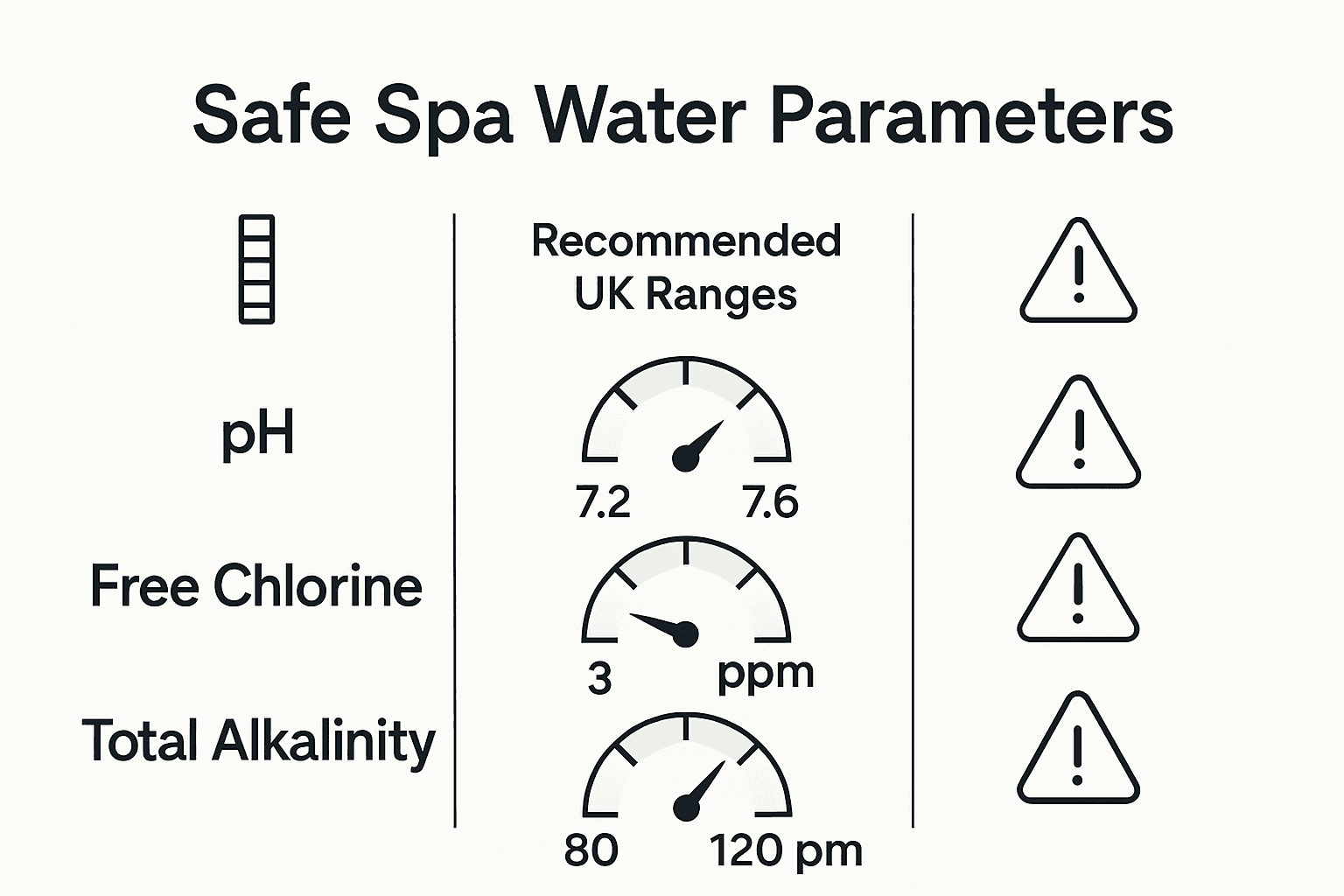
Beyond chemical measurements, safe water parameters also encompass broader considerations such as water clarity, absence of visible contaminants, and consistent temperature control. Regular testing becomes crucial in maintaining these parameters, as even slight deviations can create environments conducive to bacterial growth or user discomfort. Hot tub owners must develop a proactive approach to water management, using reliable testing equipment and understanding the intricate balance of chemical interactions that contribute to overall water safety.
Here is a summary of safe spa water parameters and their recommended ranges:
| Parameter | Recommended Range | Importance |
|---|---|---|
| pH Level | 7.0 to 7.6 | Balances sanitiser effectiveness |
| Free Chlorine | 3-5 mg/L | Destroys harmful microorganisms |
| Total Alkalinity | 80-150 mg/L | Prevents pH fluctuations |
| Water Hardness | 100-250 mg/L | Protects equipment from corrosion |
| Temperature | 35-40°C | Ensures bather comfort and safety |
Pro Testing Tip: Invest in a digital water testing kit with multiple parameter capabilities, and establish a consistent weekly testing schedule to track and maintain your spa water’s safety profile.
Risks of Ignoring Water Analysis
Neglecting spa water analysis can lead to severe health and legal consequences that extend far beyond simple maintenance concerns. The proliferation of harmful bacteria like Legionella represents a significant threat to user safety, with potential health risks ranging from mild respiratory infections to life-threatening conditions such as Legionnaires’ disease. Hot tub owners who fail to implement rigorous water testing protocols create an environment where dangerous microorganisms can multiply rapidly, transforming what should be a relaxing experience into a potential health hazard.
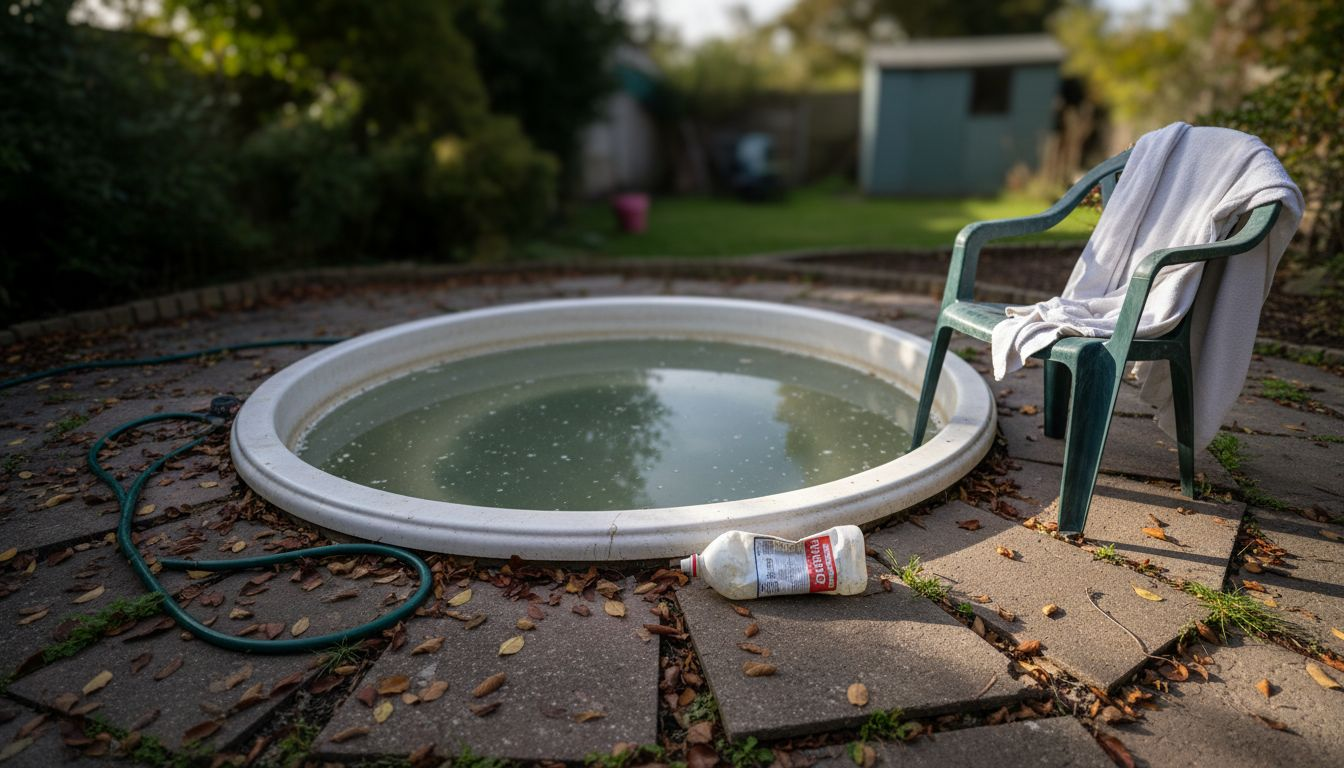
The legal and financial implications of inadequate water management can be equally devastating. Commercial spa operators face substantial risks of legal liability when water quality standards are not maintained. Potential consequences include significant financial penalties, legal action from affected users, potential closure of facilities, and irreparable damage to professional reputation. Regulatory bodies like the Health and Safety Executive take water safety extremely seriously, with comprehensive guidelines designed to protect public health and hold operators accountable for maintaining safe environments.
Beyond immediate health risks, inconsistent water analysis can also cause long-term damage to spa equipment and infrastructure. Uncontrolled chemical imbalances can accelerate corrosion, damage filtration systems, and create an environment that rapidly degrades expensive hot tub components. The cumulative cost of equipment replacement and potential medical claims far outweighs the minimal expense of regular, comprehensive water testing. Moreover, poor water quality can lead to unpleasant user experiences, including skin irritation, eye discomfort, and an overall reduction in the spa’s aesthetic and functional appeal.
Pro Safety Tip: Implement a comprehensive water testing protocol that includes both chemical analysis and bacterial screening at least weekly, and immediately address any detected irregularities to prevent potential health risks.
Best Practices for Testing Regime
Developing a comprehensive spa water testing regime requires a systematic and disciplined approach that goes beyond casual monitoring. Professional guidelines recommend establishing a multi-tiered testing strategy that encompasses different frequencies and depths of analysis. This includes daily quick checks, weekly detailed assessments, and monthly comprehensive evaluations to ensure water quality remains consistently safe and compliant with Health and Safety Executive standards.
The core components of an effective testing regime involve methodical parameter tracking across several critical dimensions. Daily tests should focus on fundamental chemical parameters such as pH levels, free chlorine concentration, and overall water clarity. Weekly tests require more extensive analysis, including total alkalinity measurements and potential microbial screening. Monthly testing protocols mandated by HSG282 guidelines typically involve sophisticated microbial sampling, advanced water quality assessments, and comprehensive documentation to track potential long-term trends or developing issues.
Successful water testing regimes also demand meticulous record-keeping and a proactive approach to data interpretation. Hot tub operators should maintain detailed logs that record every test result, including date, time, measured parameters, and any corrective actions taken. These records not only provide a historical overview of water quality but also serve as critical documentation for regulatory compliance. Advanced testing strategies might incorporate digital tracking systems that allow for trend analysis, early warning detection, and systematic performance monitoring of water treatment processes.
The table below compares daily, weekly, and monthly spa water testing tasks:
| Testing Frequency | Typical Tasks Performed | Main Benefit |
|---|---|---|
| Daily | pH, chlorine, water clarity checks | Immediate issue detection |
| Weekly | Alkalinity, in-depth microbial screening | Prevents long-term risks |
| Monthly | Comprehensive assessments, trend documentation | Full compliance and record-keeping |
Pro Testing Tip: Create a dedicated water testing logbook or digital spreadsheet with predefined sections for each parameter, enabling quick, consistent documentation and easy trend identification across different testing frequencies.
Ensure Your Hot Tub Safety with Expert Water Treatment Solutions
Maintaining safe spa water parameters and conducting regular water analysis are essential steps to prevent bacterial risks like Legionella and to comply with vital HSG282 legal standards. If you aim to protect your health, avoid costly equipment damage, and meet UK safety regulations, securing reliable water treatment products is key. ClearSpa offers a carefully selected range designed to balance pH levels, maintain free chlorine concentrations, and support effective microbial control for your hot tub.
Discover how our premium hot tub chemicals and spa essentials can simplify your water testing regime and keep your spa environment hygienic and inviting. Act now to enhance your hot tub experience by visiting ClearSpa. Stay compliant and enjoy peace of mind knowing you are using products trusted within the UK spa community at ClearSpa. Explore detailed guidance and support to maintain optimal spa water quality with ClearSpa water treatment solutions. Your safest and best spa experience starts today.
Frequently Asked Questions
What is spa water analysis and why is it important?
Spa water analysis is a systematic testing approach that evaluates the chemical, biological, and physical characteristics of hot tub water. It is essential for maintaining user safety, preventing health risks, and ensuring the longevity of the equipment by monitoring parameters like pH, alkalinity, and sanitiser levels.
How often should I perform spa water testing?
It is recommended to conduct comprehensive water checks at least once a week. Daily quick tests should focus on pH and sanitiser levels, while weekly assessments should include total alkalinity and microbial screening.
What are the key parameters to monitor for safe spa water?
The primary parameters to monitor for safe spa water include pH levels (7.0 to 7.6), free chlorine concentration (3-5 mg/L), total alkalinity (80-150 mg/L), and water hardness (100-250 mg/L). Maintaining these parameters helps prevent microbial growth and ensures user comfort.
What are the risks of not conducting regular spa water analysis?
Ignoring regular spa water analysis can lead to severe health risks, including bacterial infections from pathogens like Legionella, legal liabilities for operators, and potential damage to spa equipment due to uncontrolled chemical imbalances.