How to Care for Hot Tubs - Essential UK Homeowner Steps
Hot tub care in the UK made simple. Learn water treatment, cleaning routines, seasonal tips, and the right chemicals for hassle-free spa ownership.
Many British homeowners discover that hot tub upkeep is far more involved than a quick clean each week. With over 60 percent of first-time owners encountering water clarity issues within their first year, understanding the nuts and bolts of hot tub care has never been more important. For British families investing in relaxation and comfort, mastering these maintenance essentials keeps your spa safe and your equipment running smoothly.
Table of Contents
- What Hot Tub Maintenance Involves
- Essential Hot Tub Components And Their Care
- Water Quality Management And Chemical Use
- Cleaning Schedules And Safe Practices
- Common Pitfalls And How To Avoid Them
- Seasonal Hot Tub Care For The UK Climate
Key Takeaways
| Point | Details |
|---|---|
| Regular Water Testing is Essential | Consistent monitoring of pH levels, sanitiser concentration, and total alkalinity is crucial to ensure water safety and prevent microbial growth. |
| Equipment Maintenance is Key to Longevity | Regularly inspect and clean critical components such as filters, pumps, and heaters to avoid performance issues and extend the lifespan of your hot tub. |
| Follow Health and Safety Guidelines | Adhere to UK regulations for maintaining hygiene, particularly regarding the prevention of Legionella bacteria, by keeping thorough maintenance records and conducting regular professional inspections. |
| Implement Seasonal Care Strategies | Adjust maintenance practices according to the UK’s changing climates, ensuring protection against freezing in winter and increased filtration in summer. |
What Hot Tub Maintenance Involves
Hot tub maintenance is a comprehensive process that goes far beyond simple cleaning. At its core, it involves managing water quality, preventing bacterial growth, and ensuring the longevity of your spa equipment. For UK homeowners, this means implementing a systematic approach to water quality management that protects both the equipment and the health of its users.
The fundamental aspects of hot tub maintenance include regular water testing, chemical balancing, and thorough cleaning. This involves checking pH levels, sanitiser concentration, and total alkalinity multiple times per week. Owners must monitor water clarity, inspect filters, and ensure proper circulation. Typical maintenance tasks include cleaning the waterline, skimming debris, checking and replacing filters, and maintaining appropriate chemical levels to prevent bacterial growth and equipment damage.
Health and safety are paramount in hot tub maintenance. UK regulations, particularly those outlined by the Health and Safety Executive, emphasise the critical need for controlling potential health risks such as Legionella bacteria. This means maintaining water temperatures, ensuring proper disinfection, and keeping detailed maintenance records. Regular professional inspections and a structured maintenance schedule are recommended to identify potential issues before they become significant problems.
Pro tip: Create a dedicated maintenance log to track water chemistry, cleaning dates, and equipment checks, helping you stay proactive and spot potential issues early.
Essential Hot Tub Components and Their Care
Every hot tub consists of several critical components that work together to provide a safe and enjoyable bathing experience. Understanding these key components and maintenance requirements is essential for UK homeowners looking to preserve their investment and ensure optimal performance.
The primary components include the circulation pump, which moves water through the system, the filtration system that removes debris and contaminants, and the heating element that maintains water temperature. The circulation pump requires periodic inspection to check for signs of wear, unusual noises, or reduced water flow. Filters are particularly crucial, as they trap dirt, oils, and potential bacterial growth. Most manufacturers recommend replacing filters every 12-18 months or cleaning them thoroughly every 4-6 weeks, depending on usage frequency and water quality.
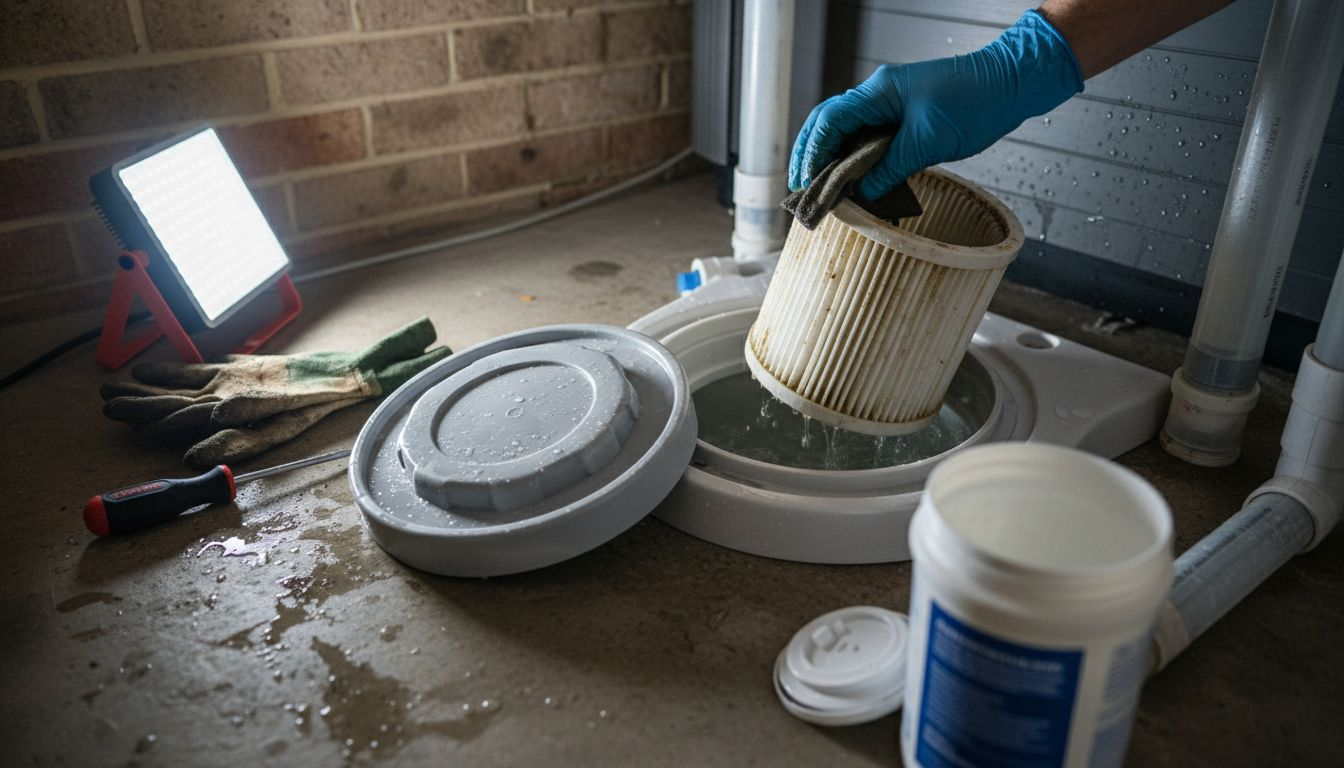
Additional critical components include the control panel, which monitors and regulates water temperature and jet functions, and the plumbing system that ensures proper water circulation. The electrical systems, including heaters and control boards, need professional assessment annually to prevent potential electrical failures. Owners should pay close attention to seals, gaskets, and connections, looking for any signs of wear, leakage, or corrosion that could compromise the hot tub’s performance and safety.
Here is a summary of common hot tub component issues and recommended inspection intervals:
| Component | Common Issues | Inspection Frequency |
|---|---|---|
| Circulation Pump | Noisy operation, low flow | Every 2-3 months |
| Filter Cartridge | Deterioration, blockage | Monthly cleaning, 12-18 months replacement |
| Heating Element | Faults, drops in temperature | Annually by professional |
| Control Panel | Display errors, malfunction | Every 6 months |
| Seals & Gaskets | Leaks, corrosion | Every 3-6 months |
| Plumbing System | Cracks, clogging | Every 6 months |
Pro tip: Create a dedicated maintenance calendar tracking filter replacements, chemical treatments, and professional inspections to ensure consistent and comprehensive hot tub care.
Water Quality Management and Chemical Use
Managing water quality in a hot tub requires a systematic approach to chemical treatment and ongoing monitoring. Effective water quality management involves understanding the delicate balance of chemical treatments, sanitisation, and regular testing to ensure a safe and hygienic bathing environment.
The cornerstone of hot tub water management is maintaining proper chemical balance. This involves regularly testing and adjusting pH levels, which should ideally remain between 7.2 and 7.6. Chlorine or bromine are the primary sanitisers used to eliminate harmful bacteria and prevent microbial growth. Most UK hot tub owners should aim to maintain a free chlorine level between 3-5 parts per million (ppm), with bromine levels at 4-6 ppm. Weekly shock treatments help break down organic contaminants and prevent the buildup of chloramines, which can cause unpleasant odours and skin irritation.
Beyond basic chemical treatment, water quality management requires a comprehensive approach. This includes regular filter cleaning, draining and refilling the hot tub every 3-4 months, and using test strips or digital testing kits to monitor water chemistry. Owners should also be aware of factors that can quickly compromise water quality, such as body oils, cosmetics, and environmental debris. Implementing a strict pre-bathing routine, including showering and avoiding lotions, can significantly reduce the chemical burden on your hot tub’s water system.
Pro tip: Invest in a reliable digital water testing kit and create a weekly testing schedule to catch and correct chemical imbalances before they become serious problems.
Cleaning Schedules and Safe Practices
Developing a structured approach to hot tub maintenance is crucial for preserving water quality and equipment longevity. Safe cleaning practices involve creating systematic routines that protect both the hot tub and its users from potential health risks.
A comprehensive cleaning schedule should be divided into daily, weekly, and monthly tasks. Daily maintenance includes skimming the water surface, checking chemical levels, and wiping down waterlines to prevent scum buildup. Weekly tasks are more intensive, involving filter cartridge cleaning, testing water chemistry more thoroughly, and shock treating the water to eliminate contaminants. Monthly responsibilities include deep cleaning filter elements, inspecting equipment for wear, and potentially draining and thoroughly cleaning the entire hot tub shell.
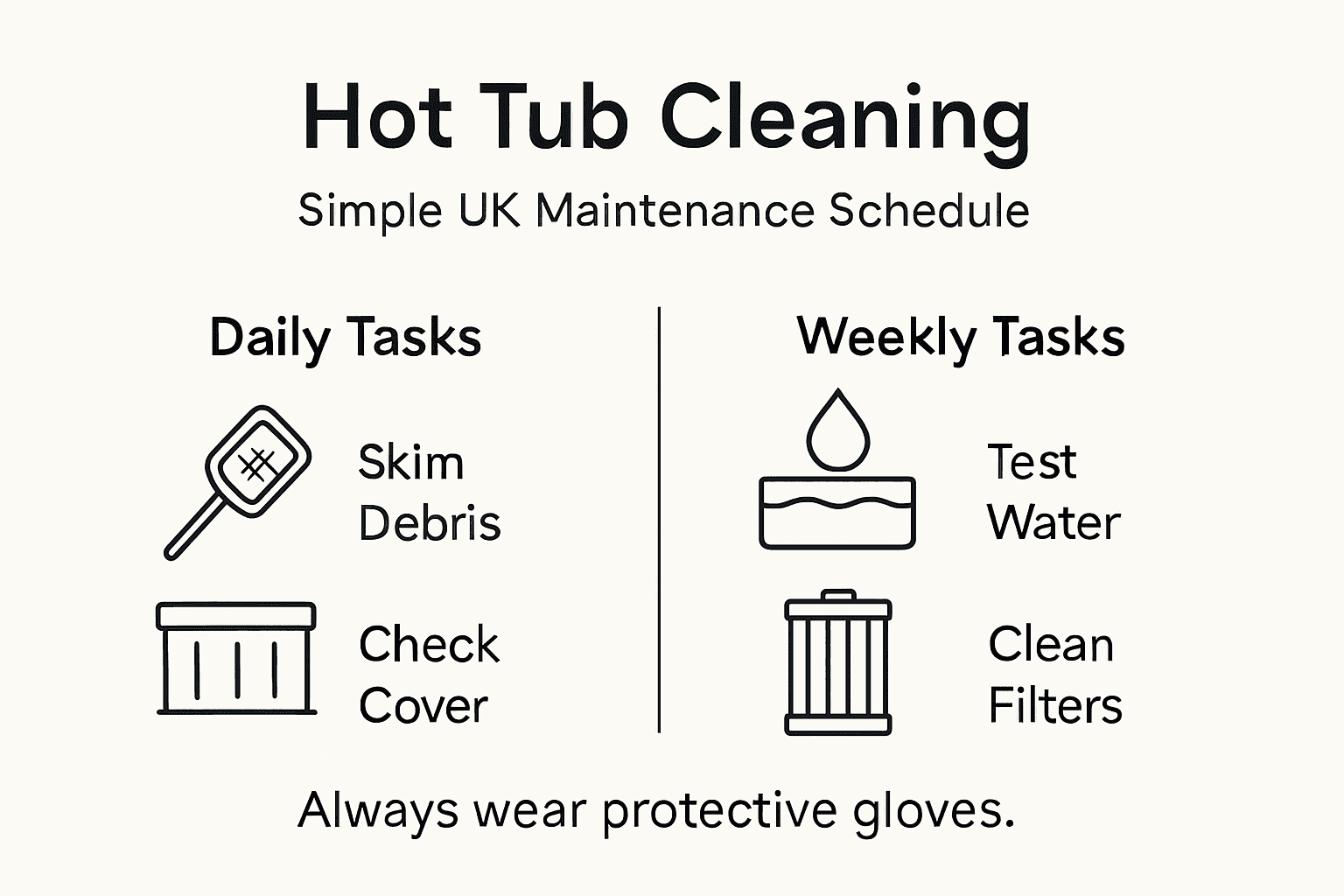
Chemical handling requires extreme caution. Always wear protective gloves and safety glasses when managing hot tub chemicals, and store them in a cool, dry place away from direct sunlight and out of children’s reach. Mixing different chemical products can create dangerous reactions, so never combine chemicals and always add them to water separately. Carefully follow manufacturer instructions for dosing, and use measuring tools specifically designated for chemical use to ensure precise application. Proper personal protective equipment and careful handling are essential to prevent skin irritation, chemical burns, or accidental exposure.
Pro tip: Create a laminated maintenance checklist and display it near your hot tub to track cleaning tasks and ensure consistent, systematic care.
Common Pitfalls and How to Avoid Them
Navigating hot tub ownership successfully requires understanding and anticipating potential problems before they escalate. Avoiding critical maintenance errors means being proactive and recognising the warning signs that could compromise your hot tub’s performance and safety.
One of the most common mistakes UK hot tub owners make is neglecting regular water chemistry testing. Inconsistent chemical balance can lead to multiple issues, including equipment damage, bacterial growth, and potential health risks. Owners frequently under or over-treat their water, either by using incorrect chemical quantities or leaving water untested for extended periods. This can result in scale buildup, corrosion of internal components, and creating an environment conducive to harmful microorganisms. Investing in reliable digital testing equipment and establishing a consistent testing routine can prevent these complications.
Another significant pitfall involves improper filter maintenance and replacement. Filters are the primary defence against debris and contaminants, but many owners fail to clean or replace them at appropriate intervals. Dirty or worn filters reduce water circulation efficiency, strain the pump system, and compromise water quality. Signs of filter deterioration include reduced water flow, increased pressure readings, visible damage, or discolouration. Typically, cartridge filters should be thoroughly cleaned every month and replaced every 12-18 months, depending on usage frequency and manufacturer recommendations.
Pro tip: Create a digital maintenance calendar with automatic reminders for water testing, filter cleaning, and chemical treatment to ensure consistent and systematic hot tub care.
Seasonal Hot Tub Care for the UK Climate
The United Kingdom’s variable climate demands a strategic approach to hot tub maintenance throughout the year. Seasonal hot tub maintenance requires adaptable care techniques that protect your investment and ensure optimal performance in changing weather conditions.
Winter presents the most challenging period for hot tub owners. As temperatures drop, prioritise protecting your hot tub from potential freeze damage. Ensure your insulation cover is high-quality and fits securely, preventing heat loss and potential water freezing. Reduce usage frequency during coldest months, maintaining water temperature between 35-38 degrees Celsius. If planning extended periods of non-use, consider partially draining the system or using specialised winterisation techniques to prevent internal component damage. Regular circulation and occasional operation can help prevent water stagnation and potential bacterial growth.
Summer maintenance requires a different strategy, focusing on increased filtration and chemical management. Higher ambient temperatures and more frequent usage create ideal conditions for bacterial proliferation. Increase water testing frequency, potentially checking chemical levels every two to three days. Adjust chlorine or bromine levels to compensate for increased environmental contaminants and more frequent bathing. Consider using additional shock treatments during peak summer months to maintain water hygiene, and ensure your filtration system runs longer to manage increased debris and organic material.
Compare the essential seasonal hot tub maintenance actions for UK owners:
| Season | Main Focus | Water Temperature Guidelines | Key Preventative Measure |
|---|---|---|---|
| Winter | Prevent freezing, insulation | 35-38°C | Secure insulation cover, consider partial draining |
| Summer | Increase hygiene, filtration | 34-38°C | Boost chemical treatment, extend filtration cycles |
Pro tip: Create a seasonal maintenance checklist with specific tasks for winter and summer to ensure your hot tub remains in top condition throughout the year.
Elevate Your Hot Tub Care with ClearSpa
Maintaining your hot tub’s water quality and equipment is no easy task. The challenges of balancing chemicals, managing regular cleaning schedules, and protecting your system from seasonal UK weather can quickly feel overwhelming. ClearSpa understands these precise needs and offers expertly formulated hot tub chemicals and spa essentials designed to simplify your maintenance routine while ensuring a safe, enjoyable experience.
Enhance your hot tub care by exploring our comprehensive range of water treatment products. Whether you need reliable sanitiser solutions, filter treatments, or chemical testing kits, ClearSpa provides quality you can trust. Take proactive control of your hot tub’s health today by visiting ClearSpa and discovering how our products can support your entire maintenance programme. Don’t wait until issues arise - safeguard your relaxation investment now with ClearSpa’s proven water treatment solutions.
Frequently Asked Questions
How often should I test the water in my hot tub?
You should test the water chemistry multiple times per week to maintain proper balance and ensure safety. This involves checking pH levels, sanitiser concentration, and total alkalinity.
What are the key components of a hot tub, and how should I maintain them?
Key components include the circulation pump, filtration system, heating element, control panel, and plumbing system. Regularly inspect and clean these parts, checking for any signs of wear or wear, and replace filters every 12-18 months.
What should I do to manage water quality in my hot tub?
Maintain proper water quality by regularly testing and balancing chemical levels, using sanitiser like chlorine or bromine, and shocking the water weekly to prevent bacteria growth. Drain and refill your hot tub every 3-4 months for optimal hygiene.
What are common mistakes in hot tub maintenance, and how can I avoid them?
Common mistakes include neglecting regular water testing, improper filter maintenance, and inconsistent chemical treatments. To avoid these issues, establish a consistent testing routine, clean or replace filters on schedule, and follow chemical dosing instructions carefully.