Hot Tub Troubleshooting: Key Solutions for UK Spas
Hot tub troubleshooting for UK owners: learn types of issues, water treatment solutions, mechanical fixes, and common mistakes to enhance spa experiences.
Unexpected water clarity problems or mysterious equipment malfunctions can turn a relaxing soak into a frustrating chore for many UK hot tub owners. With so many factors affecting spa health - like microbial growth, chemical balance, and mechanical reliability - troubleshooting often feels overwhelming. Microbial management and regular equipment checks are not just routine tasks but vital steps in preventing costly repairs and serious health risks, helping you make the most of every hydrotherapy session.
Table of Contents
- Hot Tub Troubleshooting Explained And Misconceptions
- Common Water Quality Problems And Solutions
- Diagnosing Mechanical And Equipment Faults
- Chemical Balance Essentials For Safe Usage
- Typical Mistakes With Spa Maintenance And Prevention
Key Takeaways
| Point | Details |
|---|---|
| Understanding Water Quality | Regular water testing and chemical balancing are essential for preventing health risks in hot tubs. |
| Proactive Maintenance | Routine inspections and cleaning procedures extend equipment lifespan and ensure a safe spa experience. |
| Preventing Bacterial Contamination | Implementing comprehensive sanitisation protocols and monitoring temperature can mitigate risks of bacterial growth. |
| Avoiding Common Mistakes | Establishing a systematic maintenance schedule prevents frequent errors that compromise water quality and safety. |
Hot tub troubleshooting explained and misconceptions
Hot tub maintenance involves far more complexity than most UK spa owners realise. Understanding the nuanced challenges of water treatment and equipment management is crucial for ensuring a safe, enjoyable hydrotherapy experience.
Misconceptions about hot tub care often stem from a lack of understanding about microbial risks and water chemistry. Many owners assume that standard cleaning methods are sufficient, but professional water quality protocols reveal significant potential health hazards that require systematic management.
Common hot tub troubleshooting challenges include:
- Bacterial contamination risks
- Inconsistent water chemistry
- Equipment performance issues
- Chemical imbalance complications
- Filtration system inefficiencies
Legionella bacteria represent a particularly serious concern for hot tub owners. These microorganisms can proliferate rapidly in warm water environments, potentially causing severe respiratory infections. Professional guidelines emphasise several critical prevention strategies:
- Regular water testing
- Maintaining appropriate chemical levels
- Ensuring proper filtration
- Implementing routine cleaning protocols
- Monitoring water temperature ranges
Professional spa maintenance requires understanding the delicate balance between water chemistry, bacterial control, and equipment functionality. Microbial management isn’t just about aesthetic cleanliness - it’s a critical health protection mechanism.
To clarify prevention strategies for common hot tub risks, see this summary table of management approaches and their main benefits:
| Issue Addressed | Strategy Implemented | Primary Benefit |
|---|---|---|
| Bacterial contamination | Routine water testing | Identifies health risks early |
| Chemical imbalance | Maintain chemical levels | Ensures safe hydrotherapy environment |
| Filtration inefficiency | Regular filter cleaning | Prevents contaminant accumulation |
| Equipment performance | Scheduled inspections | Extends spa lifespan |
| Temperature fluctuation | Monitor temperature regularly | Reduces microbial growth risk |
Pro tip: Invest in professional water testing quarterly to detect potential issues before they become serious health risks.
Common water quality problems and solutions
Maintaining optimal water quality in hot tubs requires a comprehensive understanding of the complex challenges UK spa owners frequently encounter. Spa water contamination risks can quickly transform a relaxing hydrotherapy experience into a potential health hazard if not managed proactively.
The most prevalent water quality issues in hot tubs include multiple interconnected challenges that demand systematic attention:
- Bacterial proliferation
- pH level instability
- Chemical concentration imbalances
- Filtration system inefficiencies
- Organic contaminant accumulation
Bacterial contamination represents the most critical concern for hot tub owners. Microorganisms like Pseudomonas aeruginosa can rapidly multiply in warm water environments, potentially causing skin infections and respiratory complications. Effective management requires a multi-faceted approach:
- Regular comprehensive water testing
- Precise chemical balance maintenance
- Consistent filtration system cleaning
- Strategic temperature control
- Implementing robust sanitisation protocols
Professional water quality management goes beyond simple cleaning - it involves understanding the intricate relationships between chemical compositions, environmental factors, and potential microbial threats. Water chemistry is a dynamic system requiring constant monitoring and strategic intervention.
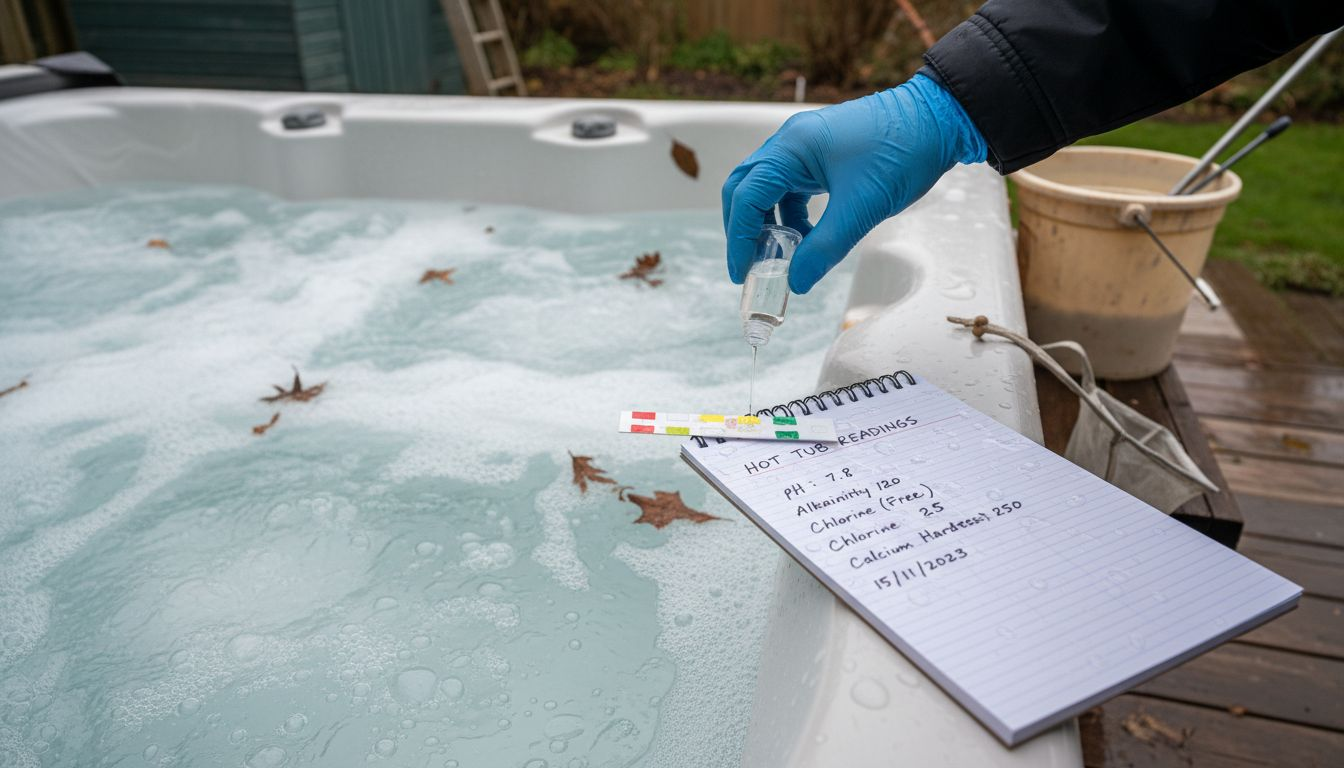
Pro tip: Conduct professional water quality assessments every three months to identify and mitigate potential contamination risks before they escalate.
Diagnosing mechanical and equipment faults
Hot tub equipment maintenance requires a systematic approach to identifying and resolving mechanical issues before they escalate into costly repairs. Heat pump system diagnostics play a crucial role in understanding the complex interactions between various mechanical components in spa environments.
The most common mechanical and equipment faults encountered by UK hot tub owners include:
- Circulation pump failures
- Heating element degradation
- Control panel malfunctions
- Jet system blockages
- Electrical connection problems
- Insulation and cover deterioration
Diagnosing equipment issues requires a methodical approach that combines visual inspection, performance analysis, and technical knowledge. Critical components that demand regular scrutiny include:
- Checking electrical connections for corrosion
- Measuring pump pressure and flow rates
- Inspecting heating elements for scale buildup
- Testing control system responsiveness
- Evaluating overall system efficiency
Mechanical diagnostics extend beyond simple visual inspections, demanding a comprehensive understanding of how individual components interact within the complex hot tub ecosystem. Professional technicians employ sophisticated diagnostic techniques to identify potential failures before they compromise the entire system.
Equipment failures can often be predicted and prevented through regular, systematic maintenance and early intervention.
Pro tip: Maintain a detailed maintenance log documenting each inspection, repair, and performance metric to track your hot tub’s mechanical health over time.
Chemical balance essentials for safe usage
Maintaining precise chemical balance is fundamental to creating a safe and enjoyable hot tub experience for UK spa owners. Spa pool chemical management requires a systematic approach to preventing microbial contamination and protecting user health.
The critical chemical parameters that demand constant monitoring include:
- pH levels
- Alkalinity
- Sanitiser concentration
- Calcium hardness
- Total dissolved solids
- Oxidation reduction potential
Achieving optimal chemical balance involves understanding the intricate interactions between different chemical components. Precise measurement and adjustment are crucial for maintaining water quality and preventing potential health risks:
- Test water chemistry weekly
- Adjust pH to 7.2-7.6 range
- Maintain free chlorine between 3-5 ppm
- Balance total alkalinity between 80-120 ppm
- Use calibrated testing equipment consistently
Chemical equilibrium in hot tubs is a delicate ecosystem that requires continuous attention and strategic intervention. Professional spa technicians emphasise the importance of understanding how different chemical components interact and influence overall water quality.
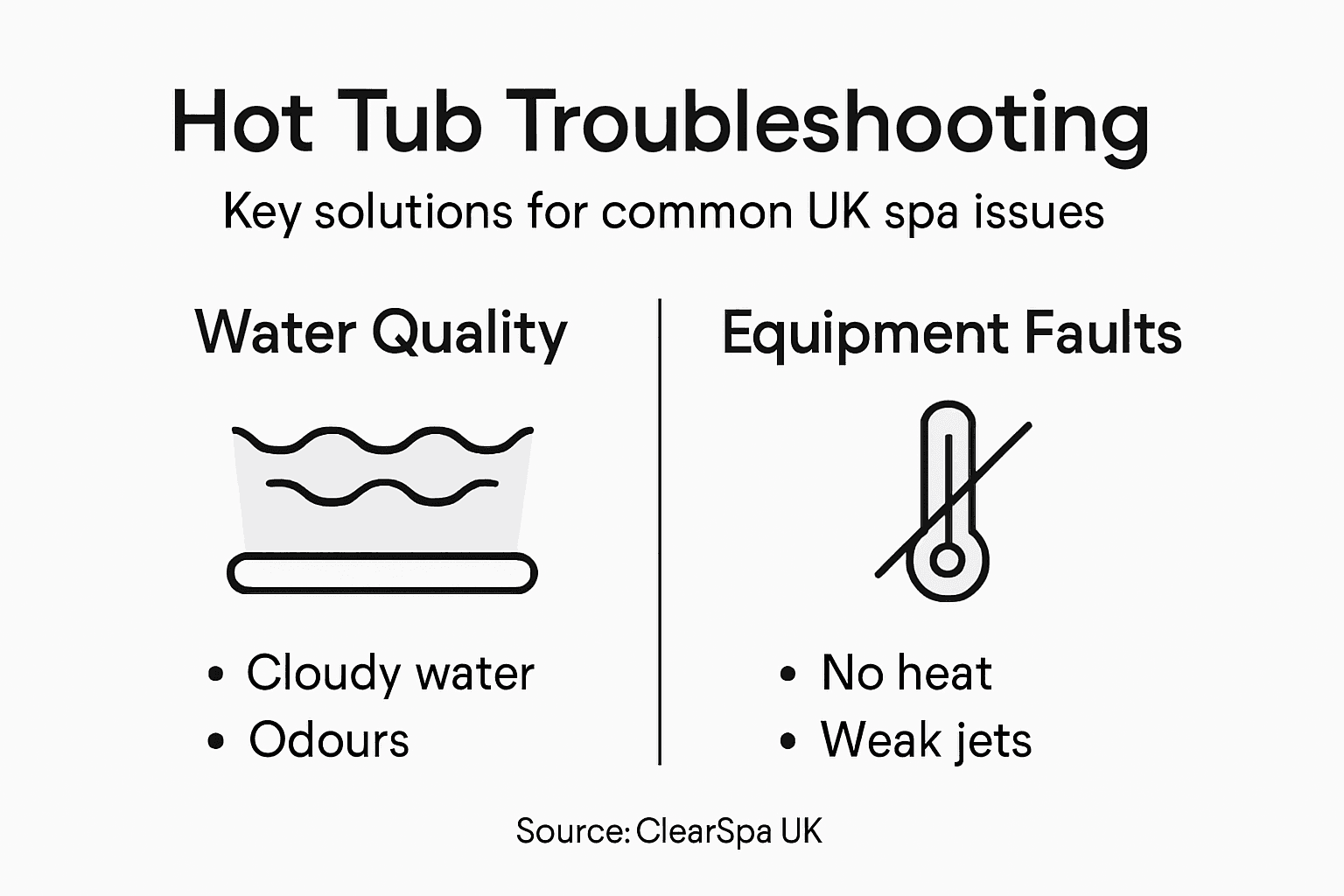
For a quick guide on optimal chemical ranges and their impact, refer to this reference table:
| Chemical Parameter | Recommended Range | Impact on Water Safety |
|---|---|---|
| pH | 7.2-7.6 | Prevents irritation, stabilises sanitiser |
| Free chlorine | 3-5 ppm | Controls bacteria and pathogens |
| Total alkalinity | 80-120 ppm | Buffers pH fluctuations |
| Calcium hardness | 150-250 ppm | Protects equipment from corrosion |
| Total dissolved solids | <1500 ppm | Maintains water clarity |
Consistent chemical management is the first line of defence against potential health risks in hot tub environments.
Pro tip: Invest in a comprehensive water testing kit and maintain a detailed log of chemical measurements to track your hot tub’s chemical health over time.
Typical mistakes with spa maintenance and prevention
Maintaining a hot tub requires more sophisticated strategy than most UK spa owners initially realise. Spa maintenance protocols reveal numerous critical errors that can compromise water quality and user safety.
The most frequent maintenance mistakes encountered by hot tub owners include:
- Inconsistent chemical testing
- Neglecting filter cleaning
- Overlooking biofilm development
- Irregular water replacement
- Improper sanitiser application
- Ignoring equipment wear indicators
Preventing these common pitfalls demands a systematic and disciplined approach to spa management. Critical areas requiring consistent attention include:
- Establishing regular maintenance schedules
- Implementing comprehensive cleaning protocols
- Monitoring chemical balance meticulously
- Conducting routine equipment inspections
- Training all spa users in basic hygiene practices
Preventative maintenance represents the most effective strategy for protecting both equipment functionality and user health. Professional spa technicians emphasise that proactive intervention can significantly reduce long-term maintenance costs and potential health risks.
Consistent, methodical maintenance is the cornerstone of safe and enjoyable hot tub experiences.
Pro tip: Create a dedicated maintenance logbook to track chemical levels, cleaning activities, and equipment performance, enabling early detection of potential issues.
Take Control of Your Hot Tub Health and Performance Today
Maintaining a safe and enjoyable hot tub experience in the UK requires vigilant attention to water chemistry, microbial management and mechanical care. If you have struggled with issues like bacterial contamination, chemical imbalance or equipment faults then you need reliable solutions tailored for these challenges. ClearSpa offers a premium selection of water treatment products and spa essentials expertly designed to help you consistently achieve balanced pH levels, effective sanitisation and smooth equipment operation.
Don’t let hidden risks or maintenance mistakes spoil your spa time. Explore ClearSpa’s trusted range now to find everything needed to tackle common hot tub troubles from chemical testing kits to specialised sanitizers and filtration support. Empower yourself with essential tools and knowledge to protect your investment, extend your spa life and enjoy crystal clear water with every soak. Visit ClearSpa and take the first step towards hassle-free hot tub care.
Frequently Asked Questions
What are common signs of bacterial contamination in hot tubs?
Bacterial contamination can manifest as cloudy water, unpleasant odours, or skin irritations. Regular water testing is essential to identify potential health risks early.
How often should I test the water in my hot tub?
It is recommended to conduct water chemistry tests weekly to ensure optimal chemical balance and prevent potential health hazards.
What should I do if my hot tub’s filtration system is inefficient?
If the filtration system is not functioning properly, regularly clean or replace the filters, check for blockages, and ensure that the pump is operating correctly to maintain water quality.
How can I maintain proper chemical balance in my hot tub?
To maintain chemical balance, consistently monitor pH levels (keeping them between 7.2-7.6), maintain free chlorine levels between 3-5 ppm, and regularly adjust alkalinity and calcium hardness as necessary.