Why Is My Hot Tub Cloudy and Foamy?
Cloudy and foamy hot tub water signals chemical imbalances, dirty filters, or contamination. Discover causes, common fixes, and prevention tips for UK owners.
Few things dampen your hot tub enjoyment like stepping into cloudy or foamy water after a long day. For hot tub owners across the United Kingdom, these frustrating issues can signal a deeper problem with water quality or chemical balance. Addressing the root causes of cloudy and foamy water helps protect your investment and makes each spa session more inviting. Discover how the right chemical solutions can quickly restore clarity and transform your water into a truly relaxing escape.
Table of Contents
- Cloudy And Foamy Hot Tub Water Explained
- Key Causes Of Water Cloudiness And Foam
- How Chemical Imbalances Affect Your Tub
- Essential Maintenance For Clearer Water
- Best Chemical Treatments For Quick Results
- Preventing Recurring Cloudy Or Foamy Water
Key Takeaways
| Point | Details |
|---|---|
| Cloudy and Foamy Water Issues | Cloudy and foamy hot tub water typically indicates chemical imbalances and poor filtration, requiring regular testing and adjustment of water chemistry. |
| Maintenance Protocol | Consistent maintenance, including weekly testing and monthly deep cleaning, is crucial for maintaining clear water and preventing contamination. |
| Chemical Treatments | Utilising appropriate shock treatments and sanitising agents can rapidly address issues in hot tub water quality. |
| Preventive Measures | Implementing strict hygiene protocols and managing bather load can significantly reduce the likelihood of persistent water quality problems. |
Cloudy And Foamy Hot Tub Water Explained
Hot tub owners across the United Kingdom frequently encounter the frustrating issue of cloudy and foamy water, which can quickly transform a relaxing spa experience into a maintenance headache. Water cloudiness issues can stem from multiple interconnected factors that disrupt your hot tub’s delicate chemical balance.
Cloudy water in hot tubs typically indicates an underlying problem with water chemistry, filtration, or contaminant levels. The primary culprits behind this murky phenomenon include:
- Unbalanced pH levels
- Excessive dissolved solids
- Insufficient sanitiser concentration
- Organic debris and body oils
- Ineffective filtration systems
Foam formation, often accompanying cloudy water, represents another critical indicator of poor water maintenance. When surfactants from body products, lotions, and detergent residues accumulate, they create a persistent layer of bubbles that not only looks unappealing but can also indicate significant water quality issues.
The chemical interactions causing cloudiness are complex. Mineral imbalances, such as high calcium hardness or elevated total dissolved solids (TDS), can cause water particles to clump together, creating that characteristic milky appearance. These microscopic particles reflect light differently, resulting in the opaque look that signals potential problems with your hot tub’s water chemistry.
Chemical Imbalance Indicators:
- White or greyish water appearance
- Persistent foam even after water circulation
- Difficulty maintaining proper sanitiser levels
- Unexplained skin irritation after hot tub use
Pro tip: Regularly test your hot tub water using reliable test strips and maintain a consistent maintenance schedule to prevent cloudy and foamy conditions.
Here is a quick reference guide to common hot tub water problems and their underlying causes:
| Issue Type | Typical Indicators | Likely Root Cause | Suggested First Action |
|---|---|---|---|
| Cloudy Water | Milky or dull appearance | Chemical imbalance, poor filtration | Test pH and sanitiser levels |
| Foamy Water | Persistent bubbles | Accumulated surfactants, contaminated water | Perform water change and use clarifier |
| Scale Formation | Chalky deposits | High calcium or mineral levels | Apply scale reducer and check hardness |
| Skin Irritation | Redness or itchiness | Insufficient sanitiser or bacteria | Shock treatment and re-test water |
| Odour | Unpleasant smell | Organic build-up, low disinfectant | Deep clean and increase sanitiser |
Key Causes Of Water Cloudiness And Foam
Understanding the root causes of cloudy and foamy hot tub water is crucial for maintaining a pristine spa environment. While many hot tub owners experience these frustrating conditions, the underlying mechanisms are surprisingly complex and interconnected, involving chemical, biological, and environmental factors.
Foam formation in hot tubs can originate from multiple sources, including natural organic breakdown processes similar to those observed in marine environments. In hot tub settings, these foams typically result from accumulated surfactants and organic residues that disrupt water surface tension.
The primary contributors to water cloudiness and foam include:
- Excessive body oils and personal care product residues
- Unbalanced chemical concentrations
- Insufficient filtration and water circulation
- High levels of dissolved minerals
- Bacterial contamination
- Inadequate sanitiser maintenance
Chemical interactions play a critical role in hot tub water quality. Minerals like calcium and magnesium can precipitate out of solution, creating microscopic particles that scatter light and produce the characteristic milky appearance. These dissolved solids interact dynamically, forming complex compounds that compromise water clarity and aesthetic appeal.
Water Quality Factors:
- pH levels between 7.2 and 7.6
- Total dissolved solids (TDS) under 1,500 parts per million
- Free chlorine levels of 3-5 parts per million
- Alkalinity ranging from 80-120 parts per million
Pro tip: Invest in high-quality water testing strips and perform weekly comprehensive water quality assessments to prevent cloudiness and foam accumulation.
How Chemical Imbalances Affect Your Tub
Chemical imbalances in hot tubs represent a complex ecosystem that can rapidly compromise water quality, user comfort, and equipment integrity. The delicate equilibrium of minerals, sanitisers, and pH levels demands precision and consistent monitoring to prevent potential health risks and equipment damage.
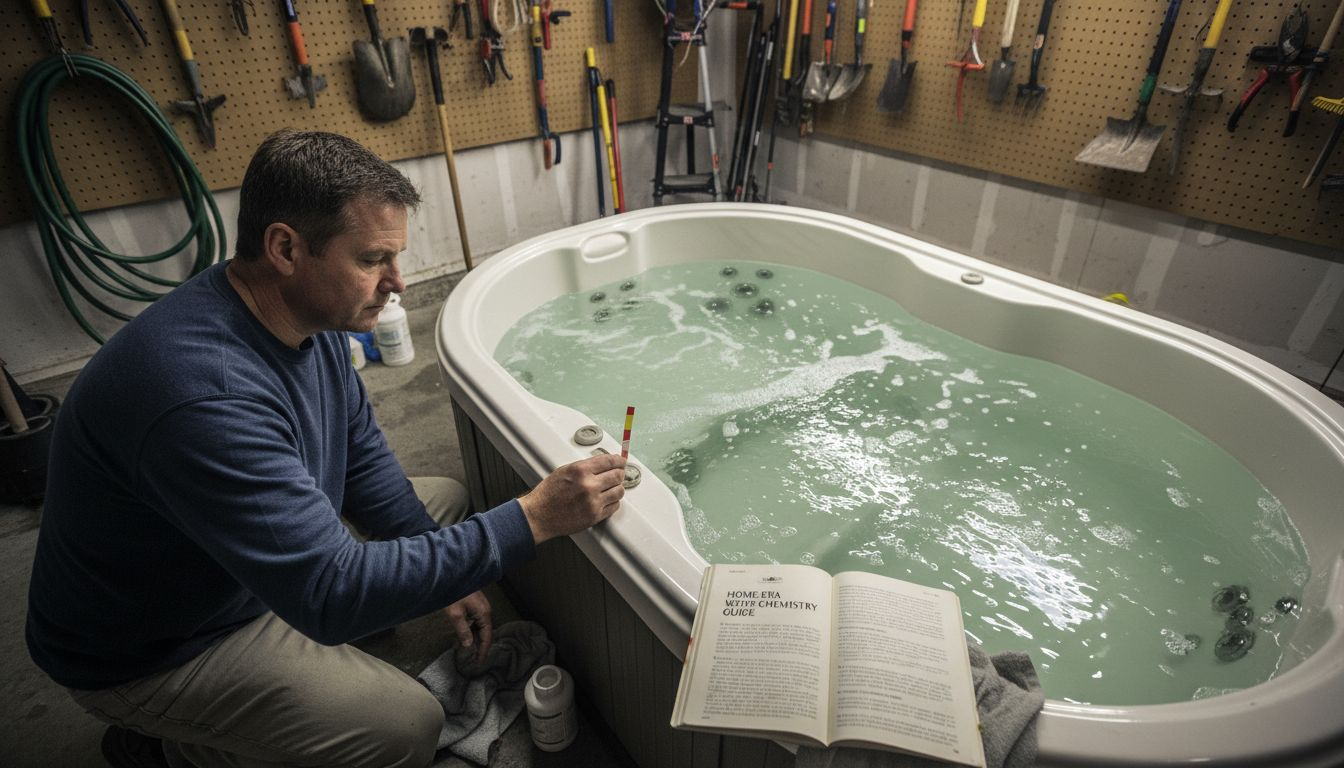
One of the most critical concerns is the potential for bacterial growth due to chemical inconsistencies, which can create significant health hazards. Legionella bacteria, for instance, thrive in water systems with improper chemical compositions, potentially multiplying rapidly when sanitiser levels are inadequate.
The primary chemical factors that destabilise hot tub water include:
- Inconsistent chlorine or bromine levels
- Fluctuating pH balance
- Excessive mineral concentrations
- Inadequate alkalinity management
- Insufficient water circulation
- Organic contaminant accumulation
Water Hardness Impact:
Minerals like calcium and magnesium play a significant role in water chemistry. Hard water complications can lead to scale buildup, reduced equipment efficiency, and compromised water clarity. These mineral deposits not only affect aesthetic qualities but can also cause long-term damage to heating elements and filtration systems.
Potential Consequences of Chemical Imbalance:
- Increased bacterial proliferation
- Accelerated equipment deterioration
- Skin and eye irritation
- Reduced sanitiser effectiveness
- Potential health risks
Pro tip: Invest in a comprehensive digital water testing kit that provides precise measurements across multiple chemical parameters, enabling more accurate and consistent hot tub maintenance.
Essential Maintenance For Clearer Water
Maintaining crystal-clear hot tub water requires a systematic approach that goes beyond occasional chemical treatments. Regular maintenance is the cornerstone of preventing cloudiness, foam, and potential health risks associated with poorly managed water systems.
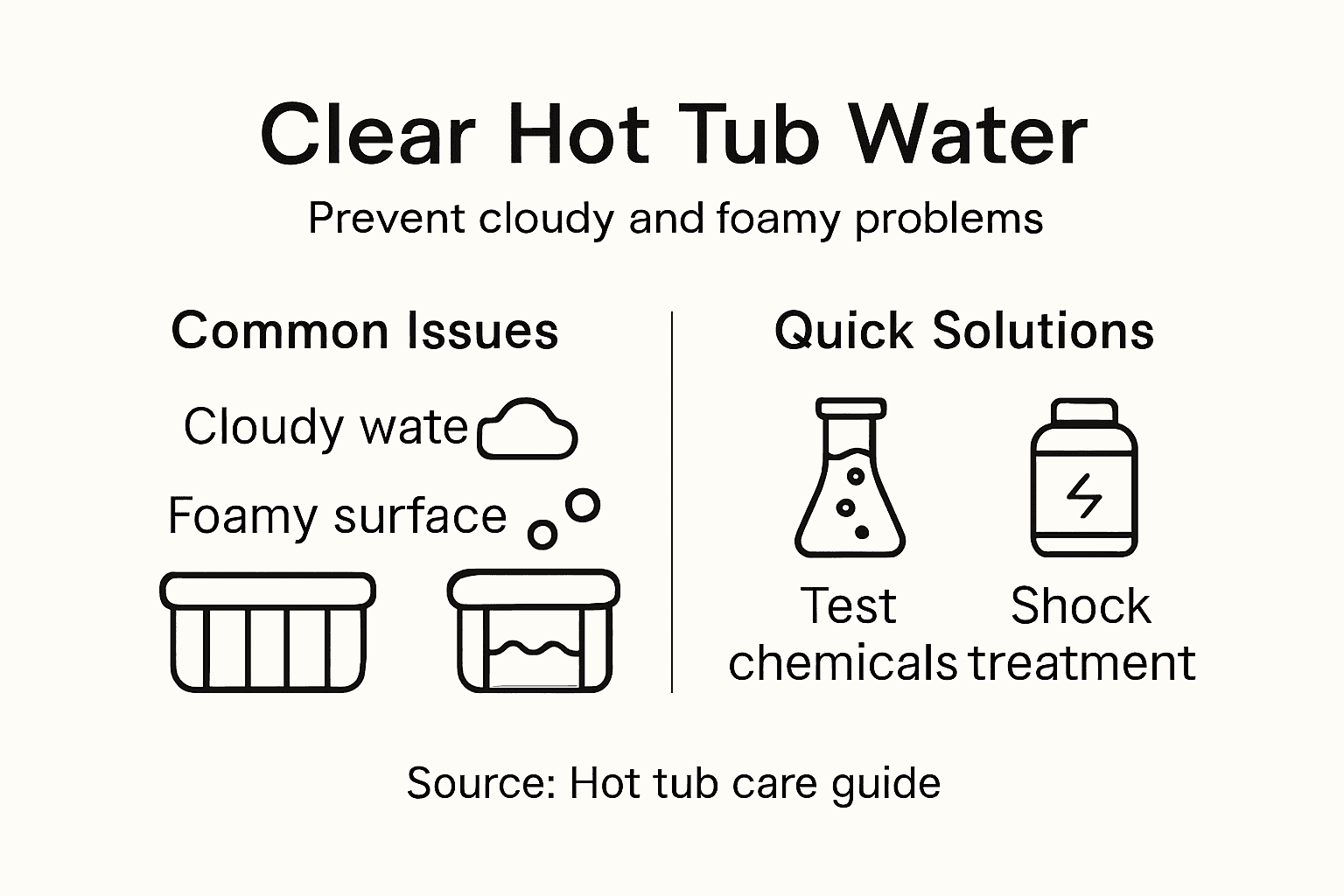
Professional water maintenance involves comprehensive monitoring and routine cleaning practices. Temperature control plays a crucial role, with experts recommending specific ranges to prevent bacterial growth and ensure optimal water quality.
Key maintenance steps for pristine hot tub water include:
- Weekly water chemistry testing
- Monthly filter deep cleaning
- Regular sanitiser level checks
- Consistent pH and alkalinity balance
- Thorough surface and shell cleaning
- Periodic comprehensive water drainage and refilling
Hot Tub Water Maintenance Protocols:
Routine flushing and thorough inspection of water systems are critical for preventing bacterial colonisation. This involves carefully monitoring water temperatures, cleaning outlet surfaces, and ensuring consistent hygiene standards that protect both equipment and user health.
Critical Maintenance Temperatures:
- Hot water storage: Above 60°C
- Hot water distribution: Above 50°C
- Cold water storage: Below 20°C
Pro tip: Develop a structured maintenance log to track water quality parameters, chemical treatments, and cleaning schedules, enabling more precise and consistent hot tub water management.
Best Chemical Treatments For Quick Results
Navigating the complex world of hot tub water chemistry requires strategic chemical interventions that rapidly address cloudiness and bacterial contamination. Understanding the precise mechanisms of water treatment can transform your spa maintenance approach and restore water clarity within hours.
Approved chemical treatments play a crucial role in maintaining pristine hot tub water. Specific biocides and disinfection agents can quickly eliminate bacterial growth and restore water quality when applied with precision.
Essential chemical treatment strategies include:
- Chlorine-based shock treatments
- Bromine sanitisation protocols
- pH correction chemicals
- Flocculant agents
- Algaecide applications
- Enzyme-based water clarifiers
Rapid Treatment Protocols:
Bromine and chlorine-based treatments remain the most effective solutions for swift bacterial control. Biocide application techniques require careful pH monitoring to ensure maximum efficacy, with optimal dosing depending on water volume and contamination levels.
Treatment Effectiveness Factors:
- Correct chemical concentration
- Precise pH balance
- Water temperature
- Circulation efficiency
- Initial contamination level
- Treatment frequency
Pro tip: Always test and adjust water chemistry before applying shock treatments to maximise their effectiveness and prevent potential chemical imbalances.
To help you choose the right chemical intervention, here’s a comparative summary of rapid treatment methods:
| Treatment Type | Speed of Effect | Main Target Issue | Suitability for Recurring Problems |
|---|---|---|---|
| Chlorine Shock | Fast (hours) | Bacterial contamination | Use for persistent sanitation faults |
| Bromine Sanitiser | Moderate (1-2 days) | General disinfection | Ideal for regular ongoing treatment |
| Enzyme Clarifier | Moderate (24 hours) | Organic matter, cloudiness | Useful for water clarity maintenance |
| Flocculant Agent | Slow (up to 48 hours) | Suspended solids | Best for heavy particle issues |
Preventing Recurring Cloudy Or Foamy Water
Recurring cloudy or foamy water represents a persistent challenge for hot tub owners, indicating deeper systemic issues beyond simple chemical treatments. Understanding the root causes and implementing comprehensive prevention strategies is crucial for maintaining pristine water quality.
Robust hygiene practices form the foundation of long-term hot tub water management. Proactive contamination control and systematic monitoring can significantly reduce the likelihood of recurring water clarity problems.
Key prevention strategies include:
- Regular comprehensive water testing
- Implementing strict user hygiene protocols
- Maintaining consistent chemical balance
- Deep cleaning filters monthly
- Controlling organic contaminant introduction
- Managing bather load and frequency
- Using high-quality water treatment products
Prevention Intervention Points:
Effective prevention requires a multi-layered approach targeting potential contamination sources. This involves understanding how external factors like user behaviour, environmental conditions, and equipment maintenance contribute to water quality deterioration.
Critical Prevention Factors:
- Frequency of water chemistry checks
- Quality of sanitising agents
- Filtration system efficiency
- Bather personal hygiene
- Hot tub cover maintenance
- Water replacement schedule
Pro tip: Create a detailed maintenance log to track water chemistry parameters, treatments, and environmental conditions, enabling you to identify and address recurring water quality issues systematically.
Restore Clear and Sparkling Hot Tub Water with ClearSpa Solutions
If you are struggling with cloudy and foamy hot tub water caused by chemical imbalances, excessive minerals, or ineffective filtration, you are not alone. These common challenges can diminish your relaxation experience and even cause skin irritation or equipment damage. ClearSpa understands these frustrations and offers a carefully selected range of water treatment products designed to tackle these exact issues. From pH balancers and sanitising agents to enzyme-based clarifiers, our products help you regain crystal-clear water and maintain optimal chemical balance.

Take control of your hot tub water quality today by exploring the premium hot tub chemicals at ClearSpa. With proven effectiveness and trusted expertise, we make maintaining your spa simple and effective. Visit clearspa.com now and discover the tools you need to prevent cloudy, foamy water and enjoy your hot tub at its best.
Frequently Asked Questions
Why is my hot tub water cloudy?
Cloudy water typically indicates an underlying issue with your hot tub’s water chemistry, such as unbalanced pH levels, excessive dissolved solids, or inadequate sanitiser concentration.
What causes foam to form in my hot tub?
Foam formation is often caused by the accumulation of surfactants from personal care products, body oils, or detergent residues that disrupt the water’s surface tension.
How can I prevent my hot tub water from becoming cloudy or foamy?
To prevent these issues, regularly test the water chemistry, maintain balanced pH levels, ensure adequate sanitiser levels, and perform routine filter cleaning.
What should I do if my hot tub water is consistently cloudy and foamy?
If the issue persists, conduct a thorough water change, apply clarification treatments, and investigate potential causes such as bacterial contamination or mineral imbalances.