Health Hot Tubs - Benefits and Safe Maintenance
Health hot tubs: discover benefits, water treatment essentials, UK safety standards, and maintenance tips for enhanced wellbeing and spa hygiene.
Many British hot tub owners wonder if enjoying genuine relaxation means tackling confusing maintenance routines or worrying about hygiene risks. The truth is, modern hot tubs feature advanced filtration and sanitation technologies that make care straightforward, even for those with sensitive skin. Understanding the realities behind common hot tub myths helps you take control of your spa’s safety and wellbeing. This guide offers clear solutions and practical advice so you can make the most of every soak with complete peace of mind.
Table of Contents
- Health Hot Tubs Defined And Common Myths
- Types Of Hot Tubs And Therapeutic Uses
- Key Health Benefits For UK Owners
- Safe Water Treatment And Chemical Options
- Ongoing Maintenance And Safety Precautions
Key Takeaways
| Point | Details |
|---|---|
| Health Benefits | Hot tubs provide therapeutic advantages such as pain management, stress reduction, and improved circulation through hydrotherapy. |
| Myth Debunking | Common misconceptions about hot tubs, including high maintenance cost and safety concerns, are largely unfounded with modern models being user-friendly and hygienic. |
| Water Management | Effective water treatment and chemical balance are essential for safety and optimal hot tub performance, emphasising the importance of regular testing and maintenance. |
| Types and Uses | Various hot tub types cater to different needs, with specific therapeutic benefits that can assist in conditions like arthritis and muscle tension. |
Health hot tubs defined and common myths
A health hot tub is a therapeutic hydrotherapy device designed to provide relaxation, muscle relief, and potential wellness benefits through warm water immersion and targeted jet massage. Despite their growing popularity, numerous misconceptions persist about their safety, maintenance, and health implications.
Modern hot tubs have advanced significantly from traditional perceptions, offering sophisticated systems that prioritise user health and hygiene. Hot tub myths continue to circulate among UK homeowners, often creating unnecessary anxiety about ownership and usage.
Common myths about health hot tubs include:
- Hot tubs are difficult and expensive to maintain
- They pose significant health risks
- Water hygiene is impossible to manage
- Only wealthy individuals can afford them
- They require constant professional intervention
In reality, modern hot tubs feature advanced filtration and sanitation technologies that make routine maintenance straightforward for most homeowners. Proper chemical management and regular cleaning can effectively prevent bacterial contamination and ensure a safe, enjoyable experience.
Modern hot tub technology has transformed these wellness devices from luxury items to accessible health management tools.
Users with sensitive skin or specific health concerns can still enjoy hot tub benefits by carefully managing water chemistry and following recommended guidelines. Professional-grade water treatment products make maintaining optimal water quality more achievable than ever before.
Pro tip: Invest in high-quality water testing strips and learn basic water chemistry principles to maintain your hot tub’s hygiene and performance effectively.
Types of hot tubs and therapeutic uses
Hot tubs come in various designs, each offering unique therapeutic benefits tailored to different health and wellness needs. From portable inflatable models to luxurious built-in spa systems, these hydrotherapy devices provide versatile solutions for relaxation and physical recovery.
Hydrotherapy techniques demonstrate remarkable healing potential through targeted water-based treatments that leverage temperature, pressure, and buoyancy. The primary types of hot tubs include:
- Portable Hot Tubs: Flexible, affordable options with quick setup
- Built-in Spa Systems: Permanent installations with advanced features
- Swim Spas: Combination swimming and therapy pools
- Wooden Hot Tubs: Traditional design with rustic aesthetic
- Acrylic Shell Hot Tubs: Modern, durable models with advanced jet configurations
Therapeutic uses of hot tubs extend beyond simple relaxation. These devices offer significant health benefits, including:
- Chronic pain management
- Stress reduction
- Improved circulation
- Muscle recovery
- Joint mobility enhancement
- Sleep quality improvement
Hot tub hydrotherapy provides a non-invasive approach to managing various physical conditions through controlled water immersion.
Each hot tub type offers unique therapeutic mechanisms. Jet configurations, water temperature, and design specifics determine the effectiveness of treatment for conditions like arthritis, muscle tension, and rehabilitation after sports injuries.
To help clarify key distinctions, here is a comparison of common hot tub types and their ideal uses:
| Hot Tub Type | Suitability | Typical Features |
|---|---|---|
| Portable | Renters, small gardens | Lightweight, plug-and-play setup |
| Built-in Spa System | Homeowners, luxury users | Permanent, custom features |
| Swim Spa | Fitness enthusiasts | Swim jets, extended length |
| Wooden | Traditionalists | Rustic look, manual heating |
| Acrylic Shell | Family users, durability | Advanced jets, robust shell |
Pro tip: Consult a healthcare professional to determine the most appropriate hot tub type for your specific therapeutic requirements.
Key health benefits for UK owners
Hot tub hydrotherapy represents a powerful approach to wellness, offering multiple health advantages specifically beneficial for British adults dealing with modern lifestyle challenges. Spas and hot tubs provide recognised health interventions that address both physical and mental wellbeing across diverse age groups.
The primary health benefits for UK hot tub owners include comprehensive wellness support:
- Chronic pain management
- Stress reduction and mental clarity
- Improved blood circulation
- Muscle tension relief
- Enhanced sleep quality
- Joint mobility improvement
- Cardiovascular system support
Hydrotherapy techniques leverage water’s natural properties to deliver therapeutic outcomes. The combination of warmth, buoyancy, and targeted massage helps alleviate conditions prevalent in the UK population, including:
- Arthritis-related discomfort
- Lower back pain
- Muscular stress from sedentary work environments
- Age-related mobility restrictions
- Stress-induced physical tension
Hot tub hydrotherapy offers a non-invasive, accessible method of addressing multiple health challenges through controlled water immersion.
Research highlights that regular hot tub use can significantly impact overall health, with potential benefits extending beyond immediate physical comfort. The hydromassage effect reduces pressure on joints, promotes relaxation, and supports the body’s natural healing mechanisms.
Pro tip: Consult with a healthcare professional to develop a personalised hydrotherapy routine tailored to your specific health requirements.
Safe water treatment and chemical options
Water treatment is a critical aspect of hot tub maintenance, ensuring user safety and prolonging equipment functionality. Health and Safety Executive guidance emphasises precise water chemistry management to prevent waterborne health risks.
Primary chemical options for hot tub water treatment include:
- Chlorine: Fast-acting sanitiser
- Bromine: Longer-lasting alternative
- Mineral sanitisers: Natural water treatment
- pH balancers: Maintain water stability
- Shock treatments: Periodic deep cleaning
Key considerations for effective water management involve:
- Regular chemical testing
- Maintaining appropriate pH levels (7.2-7.6)
- Monitoring total alkalinity
- Implementing routine filtration
- Preventing biofilm formation
Consistent water chemistry management is crucial in preventing potential health risks and ensuring optimal hot tub performance.
Chemical selection depends on various factors including water usage frequency, hot tub size, and individual sensitivity. Some users might prefer bromine for its gentler skin interaction, while others opt for traditional chlorine treatments.
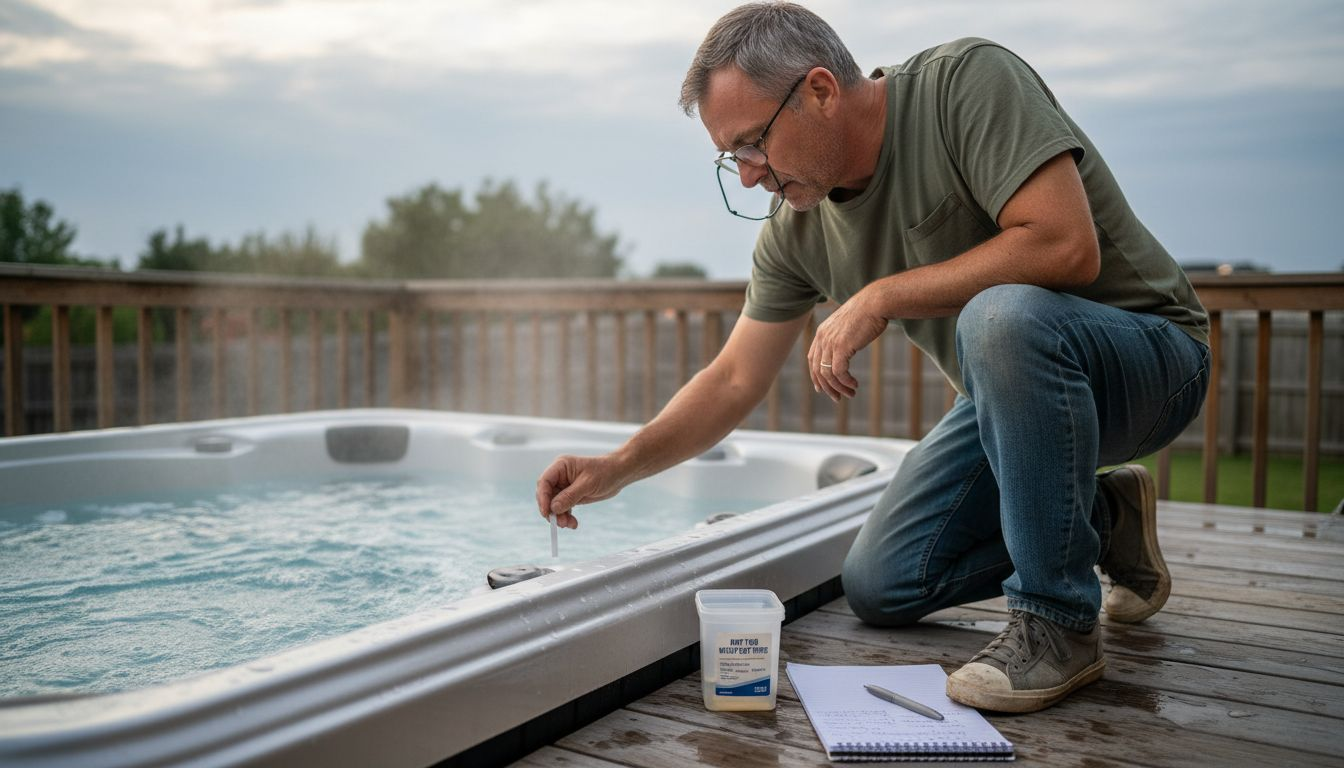
Pro tip: Invest in a reliable digital water testing kit to ensure precise and consistent chemical balance in your hot tub.
Ongoing maintenance and safety precautions
Hot tub maintenance is a critical responsibility that extends far beyond routine cleaning. Health and Safety Executive guidelines provide comprehensive management protocols to ensure user safety and equipment longevity.
Essential maintenance tasks for hot tub owners include:
- Weekly water chemistry testing
- Monthly filter cleaning/replacement
- Quarterly deep cleaning procedures
- Annual professional equipment inspection
- Regular surface and shell sanitisation
- Consistent water level monitoring
Key safety precautions to implement:
- Establish strict hygiene protocols
- Limit maximum water temperature (40°C)
- Restrict usage for individuals with open wounds
- Maintain proper chemical balance
- Enforce pre-bathing shower requirements
Systematic maintenance prevents potential health risks and ensures optimal hot tub performance.
Safety involves understanding potential contamination risks, including bacterial growth and chemical imbalances. Regular monitoring helps prevent issues like legionella and other waterborne pathogens that can compromise user health.
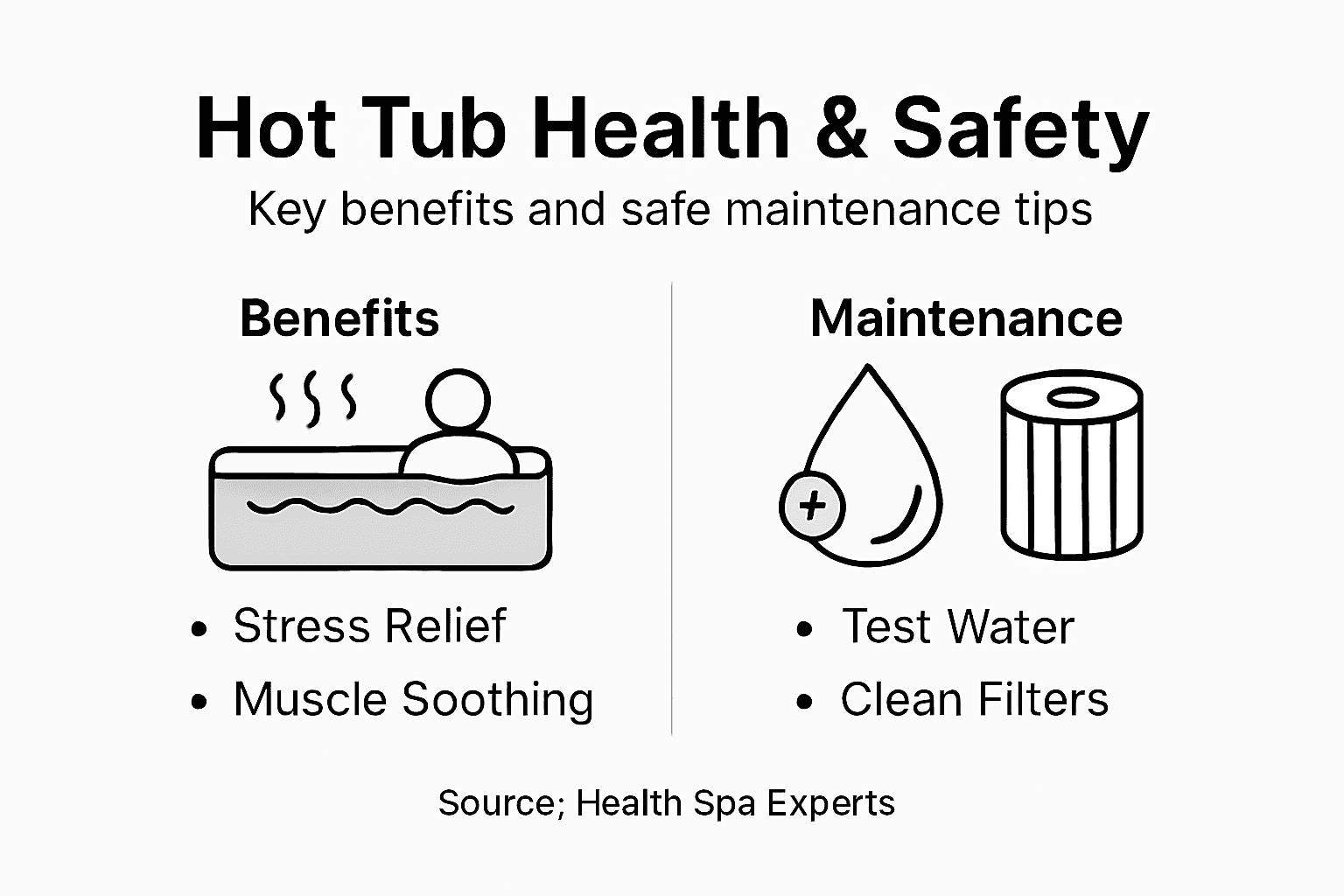
The table below summarises recommended maintenance intervals for safe hot tub operation:
| Task | Suggested Frequency | Benefit |
|---|---|---|
| Water testing | Weekly | Prevents unsafe conditions |
| Filter cleaning/replacement | Monthly | Maintains flow, reduces germs |
| Deep cleaning | Quarterly | Removes hidden contaminants |
| Professional inspection | Annually | Ensures system reliability |
Pro tip: Create a laminated maintenance checklist and display it near your hot tub to track cleaning and chemical balance consistently.
Elevate Your Health Hot Tub Experience with ClearSpa
Maintaining safe water chemistry and effective hygiene is essential to fully enjoy the therapeutic benefits of your health hot tub. This article highlights challenges like managing pH balance, preventing bacterial contamination, and choosing the right chemical treatments to support muscle relief, stress reduction, and improved circulation. At ClearSpa, we understand these concerns and offer a carefully curated range of top-quality water treatment products designed to simplify maintenance and protect your wellbeing.
Discover how our trusted hot tub chemicals, mineral sanitisers, and pH balancers can help you maintain crystal clear water while enhancing your hydrotherapy experience. Act now to safeguard your investment and health with proven solutions from ClearSpa. Start exploring our full selection of spa essentials today at ClearSpa and experience peace of mind with every soak.
Learn more about the benefits of effective water treatment in your hot tub with our expert guides on safe maintenance and water treatment options, and take control of your wellness journey now.
Frequently Asked Questions
What are the health benefits of using a hot tub?
Hot tubs provide numerous health benefits, including chronic pain management, stress reduction, improved blood circulation, muscle tension relief, enhanced sleep quality, and increased joint mobility.
How do I maintain water hygiene in my hot tub?
To maintain water hygiene, regularly test the water chemistry, keep pH levels balanced, use suitable sanitising chemicals like chlorine or bromine, and implement routine filtration and cleaning.
What types of hot tubs are available, and what are their therapeutic uses?
Types of hot tubs include portable hot tubs, built-in spa systems, swim spas, wooden hot tubs, and acrylic shell hot tubs. Each type offers unique therapeutic benefits, such as muscle recovery, stress relief, and improvement in joint mobility.
What regular maintenance is required for hot tubs?
Essential maintenance includes weekly water chemistry testing, monthly filter cleaning or replacement, quarterly deep cleaning, annual professional inspections, and regular surface sanitisation to ensure safe and efficient operation.