Chlorine for Spas: Ensuring Safe, Clean Water
Chlorine for spas - learn UK best practices for dosing, types, legal standards, health risks, and safe alternatives for optimal spa water quality.
Keeping spa water fresh and inviting is a daily priority for spa owners across the United Kingdom. With every new guest, expectations around cleanliness and safety remain high, so using the right chlorine solution is more than routine maintenance. By choosing methods that maintain water clarity and support the recommended free chlorine range of 1 to 3 parts per million (ppm), you can meet strict safety standards while delivering a satisfying experience to every visitor.
Table of Contents
- What Chlorine Does for Spa Water
- Types of Chlorine Used in Spas
- Safe Dosing and Application Standards
- Health Risks and Common Mistakes
- UK Legal Responsibilities for Spa Operators
- Alternatives to Chlorine-Based Spa Treatment
Key Takeaways
| Point | Details |
|---|---|
| Chlorine is Essential for Spa Water Safety | Chlorine effectively eliminates harmful microorganisms, ensuring user safety in a shared spa environment. Maintaining free chlorine levels between 1 and 3 ppm is critical for optimal sanitisation. |
| Selection of Chlorine Compounds Matters | Different chlorine types, such as Calcium Hypochlorite and Chlorine Dioxide, offer unique benefits for spa maintenance. Choosing the right compound based on specific needs is crucial for effective water treatment. |
| Rigorous Monitoring is Key | Regular testing of water chemistry is essential to maintain safe chlorine levels and optimal pH balance. Testing should occur a minimum of three times daily to prevent imbalances. |
| Legal Compliance is Non-Negotiable | Spa operators must adhere to UK regulations regarding water safety management and staff training. A comprehensive compliance manual should be maintained to ensure all legal obligations are met. |
What Chlorine Does for Spa Water
Spa water management relies fundamentally on chlorine as a critical sanitisation agent, protecting users from potentially harmful microbial contamination. When dissolved in water, chlorine transforms into powerful disinfecting compounds that eliminate bacteria, viruses, and other microorganisms that could compromise water safety.
Chlorine performs several essential functions in spa water maintenance:
- Eliminates Harmful Microorganisms: Destroys bacteria, viruses, and algae
- Prevents Biofilm Formation: Stops microbial colonies from establishing on surfaces
- Maintains Water Clarity: Helps remove organic contaminants that cause cloudiness
- Controls Pathogen Spread: Reduces transmission risks in shared spa environments
The disinfection process occurs through hypochlorous acid production, which actively breaks down cellular structures of microbes. Specific chemical reactions transform chlorine compounds into powerful oxidising agents that neutralise potential health risks.
Professional water quality guidelines recommend maintaining free chlorine levels between 1 and 3 parts per million (ppm) to ensure optimal sanitisation. Levels above 5 ppm require immediate corrective action to prevent potential user irritation or chemical imbalances.
Proper chlorine management is not just about adding chemicals, but creating a precise, balanced water environment that ensures user safety and enjoyment.
Pro tip: Always test your spa water chlorine levels weekly and adjust concentrations systematically to maintain the ideal 1-3 ppm range.
Types of Chlorine Used in Spas
Spa water treatment relies on multiple chlorine compounds, each offering unique characteristics for effective water sanitisation. Hypochlorite solutions represent the most common chlorine types used in spa maintenance, with distinct formulations designed to address specific water treatment requirements.
The primary types of chlorine used in spas include:
- Calcium Hypochlorite Tablets:
- Solid form with 33-35% chlorine concentration
- Easy to store and measure
- Quickly dissolves in water
- Liquid Chlorine Hypochlorites:
- Contains 10-15% chlorine solution
- Rapid distribution in water
- Ideal for quick sanitisation
- Chlorine Dioxide:
- Powerful oxidising agent
- Less corrosive than traditional chlorine
- Requires careful handling due to potential explosiveness
Each chlorine type generates hypochlorous acid when dissolved, which acts as the primary disinfecting agent. The choice depends on factors like spa size, maintenance frequency, and specific water treatment needs.
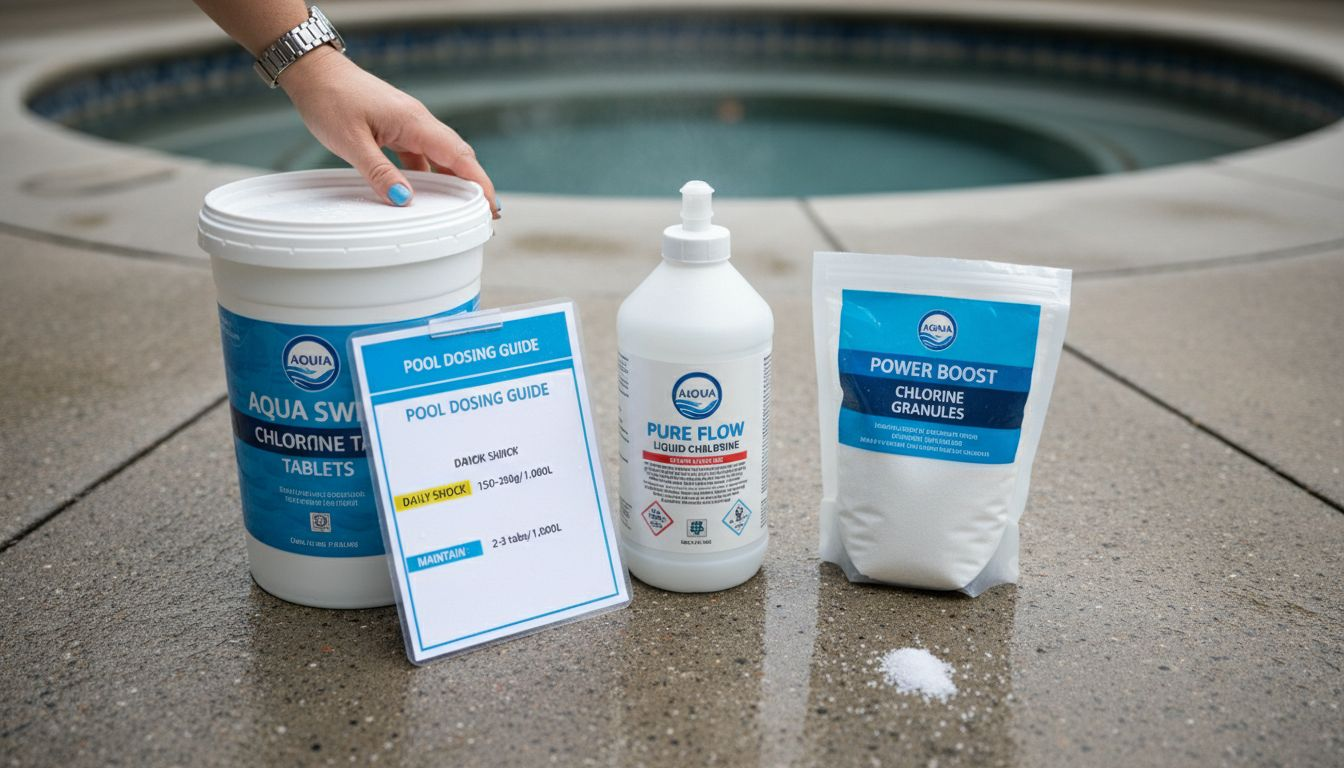
For clarity, here is a comparison of the most common chlorine types used in spas:
| Chlorine Compound | Typical Use in Spa | Key Advantages | Notable Drawbacks |
|---|---|---|---|
| Calcium Hypochlorite | Tablet dosing for regular | Simple measurement, long shelf life | Leaves calcium residue |
| Liquid Chlorine Hypochlorite | Rapid-response dosing | Fast action, easy mixing | Lower concentration, degrades fast |
| Chlorine Dioxide | Advanced spa disinfection | Reduces odour, less corrosive | Special handling requirements |
Selecting the right chlorine compound is crucial for maintaining optimal water hygiene and protecting spa users from potential microbial risks.
Pro tip: Consult with a water treatment professional to determine the most suitable chlorine type for your specific spa environment and usage patterns.
Safe Dosing and Application Standards
Maintaining precise chlorine concentrations in spa water requires meticulous attention to dosing standards and measurement protocols. Water quality guidelines establish critical parameters for safe and effective spa water treatment, emphasising the importance of consistent monitoring and controlled chemical application.
Key dosing standards for spa water management include:
- Optimal Chlorine Concentration:
- 1-3 parts per million (ppm) free chlorine
- Immediate action required if levels exceed 5 ppm
- Prevents microbial growth while avoiding chemical overexposure
- Monitoring Frequency:
- Test water chemistry minimum three times daily
- Check pH levels (ideal range 7.2-7.6)
- Record all test results and corrective actions
- Dosing Calculations:
- Use approved ‘ready-reckoner’ tables
- Calculate precise chlorine quantities
- Ensure accurate and consistent application
Temperature and water volume play crucial roles in determining appropriate chlorine dosage. Spa operators must adapt their treatment approach based on usage intensity, bather load, and environmental conditions.
Precision in chlorine dosing is not just a technical requirement - it’s a fundamental aspect of ensuring user safety and maintaining water quality.
Pro tip: Invest in a reliable digital water testing kit to simplify and standardise your chlorine concentration measurements.
Health Risks and Common Mistakes
Chlorine management demands careful attention to prevent potential health hazards and operational errors. Chlorine exposure risks encompass a range of health concerns that spa operators must understand and mitigate proactively.
Common health risks and critical mistakes include:
- Respiratory Complications:
- Can exacerbate existing asthma conditions
- Potential for toxic inhalation
- Irritation of mucous membranes
- Chemical Mishandling:
- Improper ventilation during chemical preparation
- Failure to use protective personal equipment
- Incorrect chemical storage and mixing
- Water Chemistry Errors:
- Excessive chlorine concentration
- Inadequate pH balance
- Inconsistent monitoring practices
Skin and eye irritation represent significant risks when chlorine levels are improperly managed. Operators must implement rigorous safety protocols to protect both staff and spa users from potential chemical-related health complications.
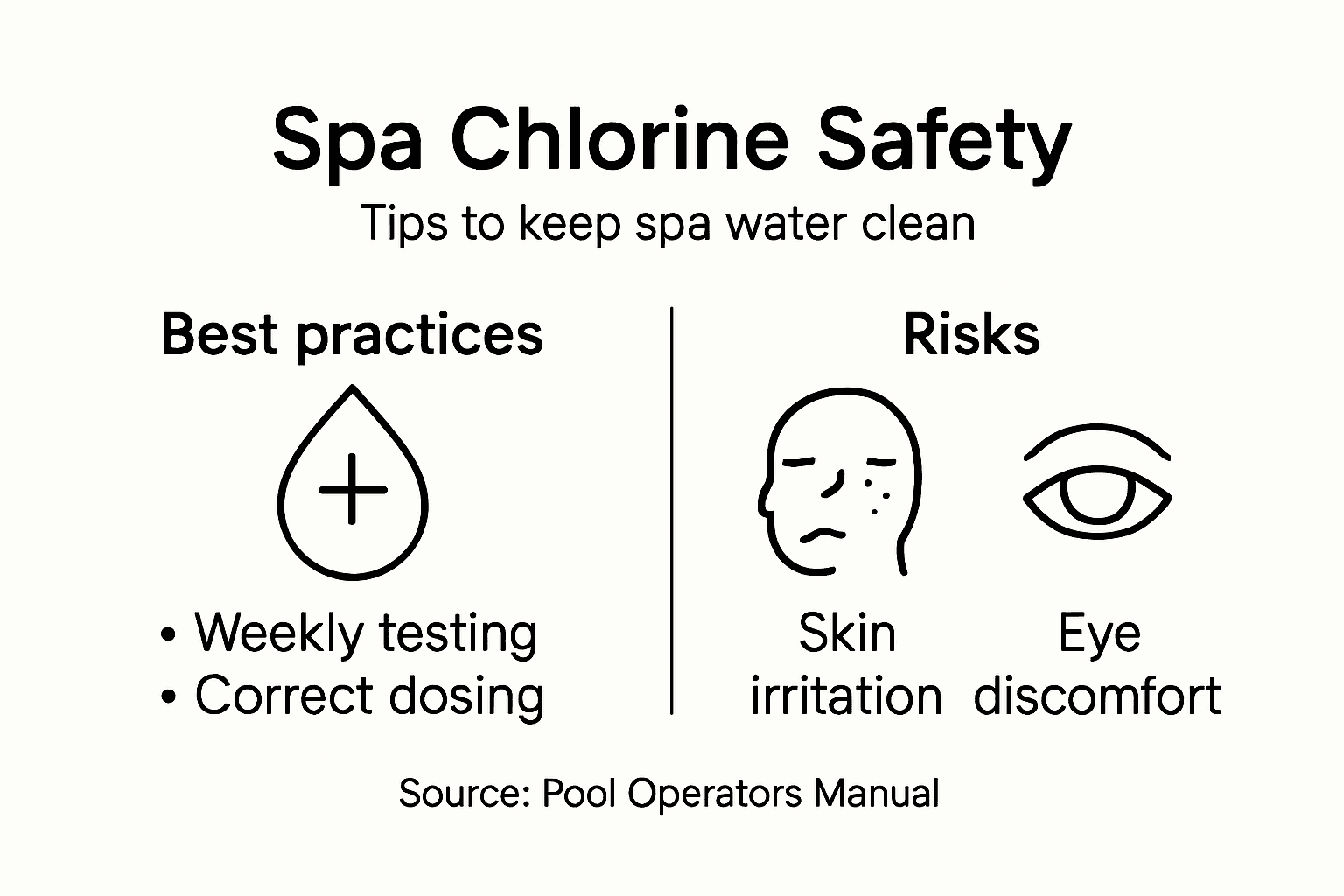
The following table summarises common spa water risks and practical prevention measures:
| Risk Category | Example Hazard | Prevention Method |
|---|---|---|
| Respiratory Issues | Mucous membrane irritation | Ensure good ventilation |
| Chemical Exposure | Skin/eye contact with chlorine | Use gloves and safety goggles |
| Water Imbalance | Excess chlorine or low pH | Monitor levels three times daily |
| Inadequate Training | Incorrect chemical application | Provide certified staff training |
Vigilance in chlorine management is not optional - it’s a critical responsibility that directly impacts user safety and health.
Pro tip: Create a comprehensive safety checklist and train all staff members on proper chlorine handling and emergency response procedures.
UK Legal Responsibilities for Spa Operators
Spa operators in the United Kingdom face stringent legal obligations regarding water safety and user protection. National Pool Plant Operators Certificate represents the fundamental standard for ensuring comprehensive water management and regulatory compliance in hydrotherapy environments.
Key legal responsibilities encompass several critical areas:
- Water Hygiene Management:
- Maintain strict water quality standards
- Implement regular chemical testing protocols
- Document and record water treatment procedures
- Risk Assessment:
- Conduct comprehensive safety evaluations
- Identify potential health hazards
- Develop mitigation strategies for water-related risks
- Staff Training Requirements:
- Ensure staff obtain recognised professional certifications
- Provide ongoing training in water treatment techniques
- Maintain updated competency records
Under the Health and Social Care Act, spa operators must demonstrate a proactive approach to preventing avoidable harm. This includes ensuring proper disinfection procedures, maintaining equipment safety, and implementing robust infection control measures.
Legal compliance is not merely a bureaucratic requirement, but a fundamental duty of care towards spa users and staff.
Pro tip: Develop a comprehensive compliance manual that details all regulatory requirements and keeps your documentation systematically organised and easily accessible.
Alternatives to Chlorine-Based Spa Treatment
Spa water treatment is evolving, with innovative alternatives emerging to address the limitations of traditional chlorine-based sanitisation. Monochloramine presents a promising alternative that offers enhanced water management capabilities while mitigating some of chlorine’s inherent drawbacks.
Key alternatives to chlorine-based treatments include:
- Bromine-Based Treatments:
- More stable at higher temperatures
- Less irritating to skin and eyes
- Effective across broader pH ranges
- Monochloramine Disinfection:
- Longer-lasting residual protection
- Reduced corrosion potential
- Enhanced biofilm penetration
- Natural Antimicrobial Strategies:
- Exploring biological compounds
- Potentially lower chemical exposure
- Inspired by natural brine environments
Each alternative approach offers unique advantages, addressing specific challenges associated with traditional chlorine treatments. The selection depends on individual spa requirements, user sensitivities, and specific water management goals.
Alternative sanitisation methods are not about replacing chlorine entirely, but about finding more sophisticated and user-friendly water treatment solutions.
Pro tip: Consider consulting a water treatment specialist to evaluate the most suitable alternative sanitisation method for your specific spa environment.
Ensure Crystal Clear Spa Water with Expert Chlorine Solutions
Managing chlorine levels between 1 and 3 ppm is vital to keep your spa water safe, clear, and enjoyable. This article highlights the importance of precise chlorine dosing and monitoring to avoid health risks like respiratory issues and irritation. With concerns ranging from chemical mishandling to legal compliance, staying on top of your spa water treatment can feel challenging.
Discover how ClearSpa makes this easier by offering a comprehensive range of premium water treatment products tailored for your spa needs. Whether you require reliable chlorine tablets, liquid hypochlorite, or specialist additives, our products support your goal of maintaining perfect water hygiene every day. Visit ClearSpa now to explore trusted solutions designed to simplify your spa maintenance. Take control of your water quality today to protect yourself, your guests, and your spa investment.
Frequently Asked Questions
What is the role of chlorine in spa water management?
Chlorine is a critical sanitisation agent that eliminates harmful microorganisms, prevents biofilm formation, maintains water clarity, and controls pathogen spread, ensuring a safe environment for spa users.
How do I maintain optimal chlorine levels in my spa?
Maintain free chlorine levels between 1 and 3 parts per million (ppm). Test your spa water weekly and adjust concentrations as needed, taking care to respond immediately if levels exceed 5 ppm to prevent irritation and imbalances.
What types of chlorine compounds are commonly used in spas?
Commonly used chlorine compounds in spas include calcium hypochlorite tablets, liquid chlorine hypochlorites, and chlorine dioxide, each offering unique benefits and considerations for effective water sanitisation.
What precautions should I take when handling chlorine for my spa?
Ensure proper ventilation during chemical preparation, use protective personal equipment like gloves and goggles, and follow safe storage and mixing practices to avoid health risks from chlorine exposure.