Understanding Hot Tub Water Treatment for Better Hygiene
Explore hot tub water treatment to ensure hygiene and health. Learn its importance, how it works, and key concepts for your hot tub care.
Hot tubs promise relaxation and comfort, and keeping their water clean is a true science. Many assume water treatment is just about adding a scoop of chemicals. In reality, hot tubs can become breeding grounds for dangerous bacteria in as little as 24 hours if neglected, so the real story is far more urgent than most people realise.
Table of Contents
- What Is Hot Tub Water Treatment And Its Purpose?
- Why Hot Tub Water Treatment Matters For Health And Safety
- How Hot Tub Water Treatment Works: The Science Behind It
- Key Concepts Of Hot Tub Water Treatment Explained
- Common Practices And Products In Hot Tub Water Treatment
Quick Summary
| Takeaway | Explanation |
|---|---|
| Maintain pH Balance | Keep pH levels between 7.2 and 7.6 to ensure safe bathing. |
| Regular Water Testing | Test the water weekly for chemical balance to prevent health risks. |
| Use Appropriate Sanitisers | Chlorine or bromine effectively eliminate harmful microorganisms in hot tubs. |
| Implement Consistent Maintenance | Regularly clean filters and skim surfaces to enhance water quality. |
| Understand Microbial Risks | Recognise the dangers of bacteria like Legionella in warm water environments. |
What is Hot Tub Water Treatment and Its Purpose?
Hot tub water treatment represents a comprehensive approach to maintaining water quality, hygiene, and safety in recreational spa environments. At its core, this process involves managing chemical balance, sanitisation, and water chemistry to create a healthy and enjoyable bathing experience. Learn more about hot tub chemicals to understand the nuanced science behind effective water management.
The Science of Water Chemistry
Water treatment in hot tubs is fundamentally about controlling microbial growth and preventing potential health risks. The warm water environment provides an ideal breeding ground for bacteria, algae, and other microorganisms that can rapidly multiply if left unchecked. Proper hot tub water treatment disrupts these potential contamination cycles through strategic chemical interventions.
Key components of hot tub water treatment include:
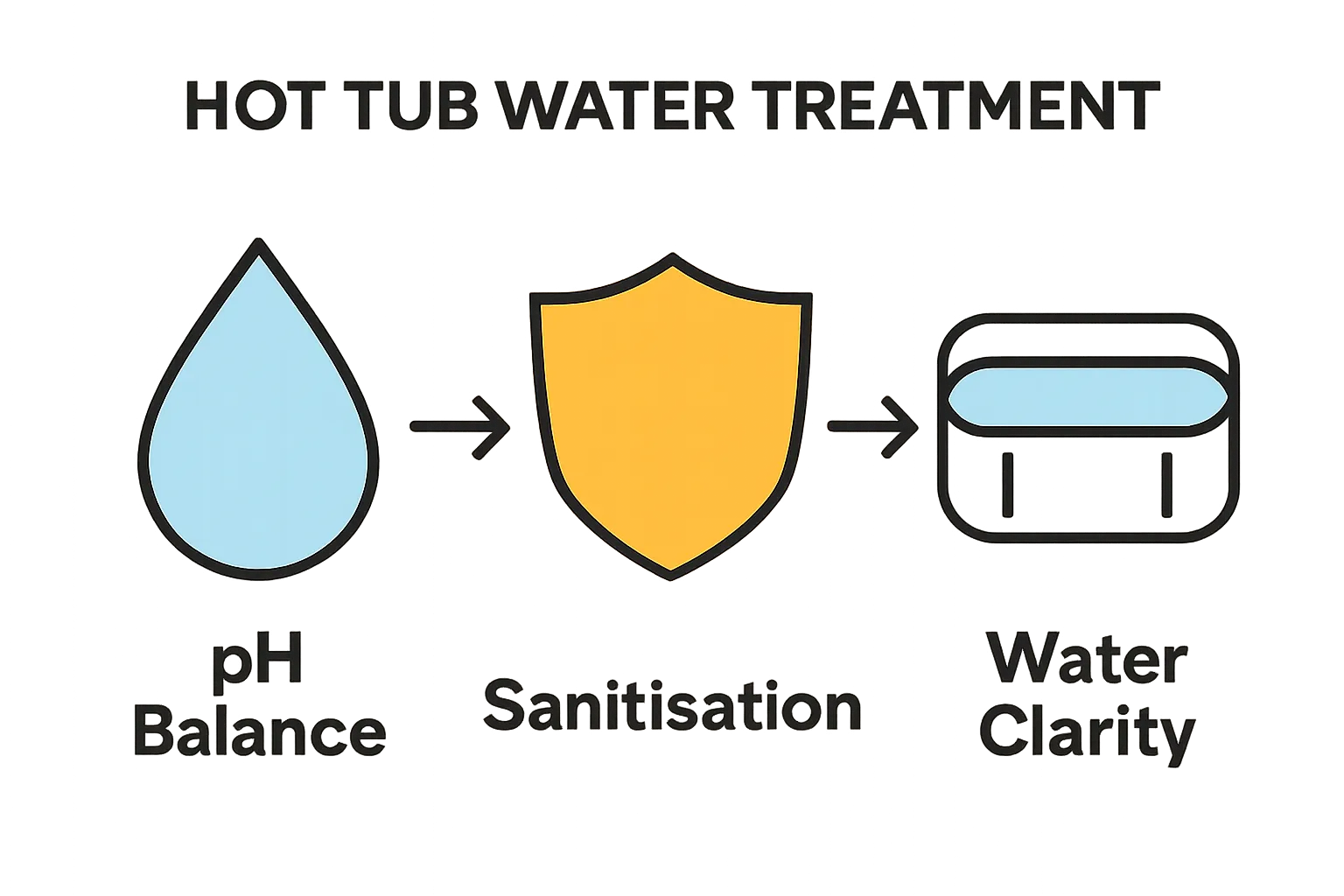
- pH Balance: Maintaining water acidity and alkalinity within optimal ranges
- Sanitisation: Eliminating harmful bacteria and pathogens
- Water Clarity: Preventing mineral buildup and ensuring visual transparency
Purpose and Health Considerations
According to research from the Centers for Disease Control and Prevention, inadequate water treatment can lead to significant health risks. Hot tubs without proper chemical management can become potential sources of recreational water illnesses, including skin infections, respiratory problems, and gastrointestinal disorders.
The primary objectives of hot tub water treatment extend beyond mere aesthetics. By maintaining precise chemical balance, owners protect themselves and other users from potential microbial contamination while preserving the structural integrity of their spa equipment. Effective treatment prevents corrosion, reduces equipment wear, and ensures a consistently safe and enjoyable bathing environment.
Why Hot Tub Water Treatment Matters for Health and Safety
Hot tub water treatment goes far beyond simple maintenance. It represents a critical health protection strategy that safeguards users from potentially serious microbial risks. Understand why testing hot tub water is crucial for maintaining a safe recreational environment.
Microbial Risks in Warm Water Environments
Warm water creates an ideal breeding ground for harmful microorganisms. Unlike swimming pools, hot tubs operate at temperatures that accelerate bacterial growth and reproduction. Research from the Health and Safety Executive highlights that inadequate water treatment can lead to significant health hazards, including Legionnaires’ disease.
Key microbial risks include:
- Pseudomonas aeruginosa causing skin and ear infections
- Legionella bacteria potentially triggering severe respiratory conditions
- Mycobacteria leading to potentially dangerous lung infections
Health Implications and Prevention Strategies
Proper hot tub water treatment serves as a critical defence mechanism against waterborne illnesses. By maintaining appropriate chemical balance and sanitisation levels, users can substantially reduce their exposure to harmful pathogens. The process involves regular water testing, precise chemical management, and understanding the complex interactions between water chemistry and microbial growth.
Effective prevention requires a comprehensive approach that combines:
- Regular water quality monitoring
- Consistent chemical treatment
- Proper filtration system maintenance
- Understanding individual hot tub usage patterns
Ultimately, hot tub water treatment is not merely a maintenance task but a fundamental health protection strategy. By prioritising water quality, users can enjoy a safe, hygienic, and relaxing spa experience.
How Hot Tub Water Treatment Works: The Science Behind It
Hot tub water treatment operates through a complex interplay of mechanical and chemical processes designed to maintain water safety and quality. Learn more about water balancing techniques to understand the intricate mechanisms that protect your spa environment.
Filtration and Mechanical Removal
Research from the Health and Safety Executive highlights that effective water treatment combines mechanical filtration with chemical disinfection. The filtration process removes physical contaminants like debris, skin cells, and other particulate matter through a multi stage approach. Hot tub filters typically utilise fine mesh materials that capture microscopic particles, preventing them from circulating in the water system.
Key filtration mechanisms include:
- Mechanical trapping of suspended solids
- Removal of organic and inorganic contaminants
- Preventing particle recirculation through precise mesh design
Chemical Sanitisation and Balance
Chemical treatment represents the critical second phase of hot tub water management. Sanitising agents like chlorine or bromine work by breaking down cellular structures of microorganisms, effectively neutralising potential health risks. The process involves carefully controlled chemical interactions that destroy bacteria, viruses, and other harmful pathogens without compromising water quality.
Critical chemical treatment components include:
- pH level regulation
- Oxidation processes
- Disinfectant concentration management
- Mineral and chemical equilibrium maintenance
The scientific approach to hot tub water treatment transforms a potentially hazardous environment into a safe, enjoyable recreational space.
The table below clarifies the main water treatment processes in hot tubs, highlighting their purpose and key features for easy comparison.
| Process | Purpose | Key Features |
|---|---|---|
| Filtration | Removes physical contaminants and suspended solids | Mechanical trapping, fine mesh filters |
| Chemical Sanitisation | Neutralises harmful microorganisms | Chlorine or bromine, oxidation, concentration control |
| pH Balancing | Maintains water acidity/alkalinity within safe range | Regular testing, use of chemical adjusters |
| Oxidation/Shocking | Destroys organic contaminants and boosts sanitiser effectiveness | Occasional treatment, rapid oxidising compounds |
| Water Clarification | Ensures water remains clear and visually appealing | Use of clarifiers, manages dissolved particles |
| By understanding and implementing precise mechanical and chemical interventions, users can create a hygienic water system that protects both human health and equipment integrity. |
Key Concepts of Hot Tub Water Treatment Explained
Hot tub water treatment involves understanding a series of interconnected scientific principles that ensure water safety and quality. Explore why bromine tablets are crucial for water sanitisation to grasp the nuanced chemistry behind effective spa maintenance.
Chemical Equilibrium and Water Balance
Research from Water Quality and Health Council demonstrates that maintaining precise chemical balance is fundamental to hot tub water treatment. Water chemistry is a delicate ecosystem where multiple factors interact simultaneously. The primary goal is achieving a harmonious state where pH levels, alkalinity, and sanitiser concentrations remain within optimal ranges.
Key chemical equilibrium components include:
- Maintaining pH between 7.2 and 7.6
- Balancing total alkalinity
- Controlling calcium hardness
- Managing dissolved solids
Sanitisation and Microbial Control
Sanitisation represents the cornerstone of hot tub water treatment, focusing on eliminating harmful microorganisms. Chemical agents like chlorine and bromine act as powerful oxidising agents that destroy bacterial cell structures, preventing potential health risks. These sanitisers work through complex molecular interactions that neutralise pathogens without compromising water quality.
Critical sanitisation strategies encompass:
- Selecting appropriate chemical concentrations
- Understanding oxidation reduction potential
- Implementing regular shocking procedures
- Monitoring microbial load
Successful hot tub water treatment requires a holistic approach that combines scientific understanding with consistent maintenance practices. By comprehending these fundamental concepts, users can create a safe, hygienic, and enjoyable spa environment.
Common Practices and Products in Hot Tub Water Treatment
Hot tub water treatment requires a strategic approach combining specific practices and targeted chemical products. Explore our water chemical treatment techniques to understand the comprehensive methodology behind effective spa maintenance.
Essential Water Treatment Products
Research from the Health and Safety Executive identifies critical chemical products necessary for maintaining water quality. These products work synergistically to create a safe and hygienic hot tub environment. The selection and application of appropriate chemicals depend on understanding each product’s specific role and interaction with water chemistry.
Key water treatment products include:
- Chlorine and bromine sanitisers
- pH balancing chemicals
- Alkalinity adjusters
- Shock treatment compounds
- Water clarifiers
Regular Maintenance Practices
Effective hot tub water treatment extends beyond chemical application. Consistent maintenance practices are crucial for preventing contamination and ensuring long term water quality. These practices involve systematic monitoring, periodic testing, and proactive intervention to maintain optimal water conditions.
Critical maintenance practices encompass:
- Weekly water chemistry testing
- Monthly comprehensive filter cleaning
- Quarterly complete water drainage and refilling
- Regular surface skimming and debris removal
- Consistent monitoring of water temperature
Successful hot tub water treatment requires a holistic approach that integrates scientific understanding with disciplined maintenance. By combining appropriate chemical products with systematic practices, users can create a consistently safe and enjoyable spa environment.
This table summarises the primary types of maintenance practices and their main functions, providing a concise overview for routine hot tub care.
| Maintenance Practice | Primary Function |
|---|---|
| Weekly water chemistry testing | Detects imbalances, ensures safe water composition |
| Monthly comprehensive filter cleaning | Maintains filtration efficiency, removes buildup |
| Quarterly complete water drainage/refill | Prevents long-term chemical saturation |
| Regular surface skimming and debris removal | Reduces particulate contamination |
| Consistent monitoring of water temperature | Ensures optimum conditions for sanitisation |
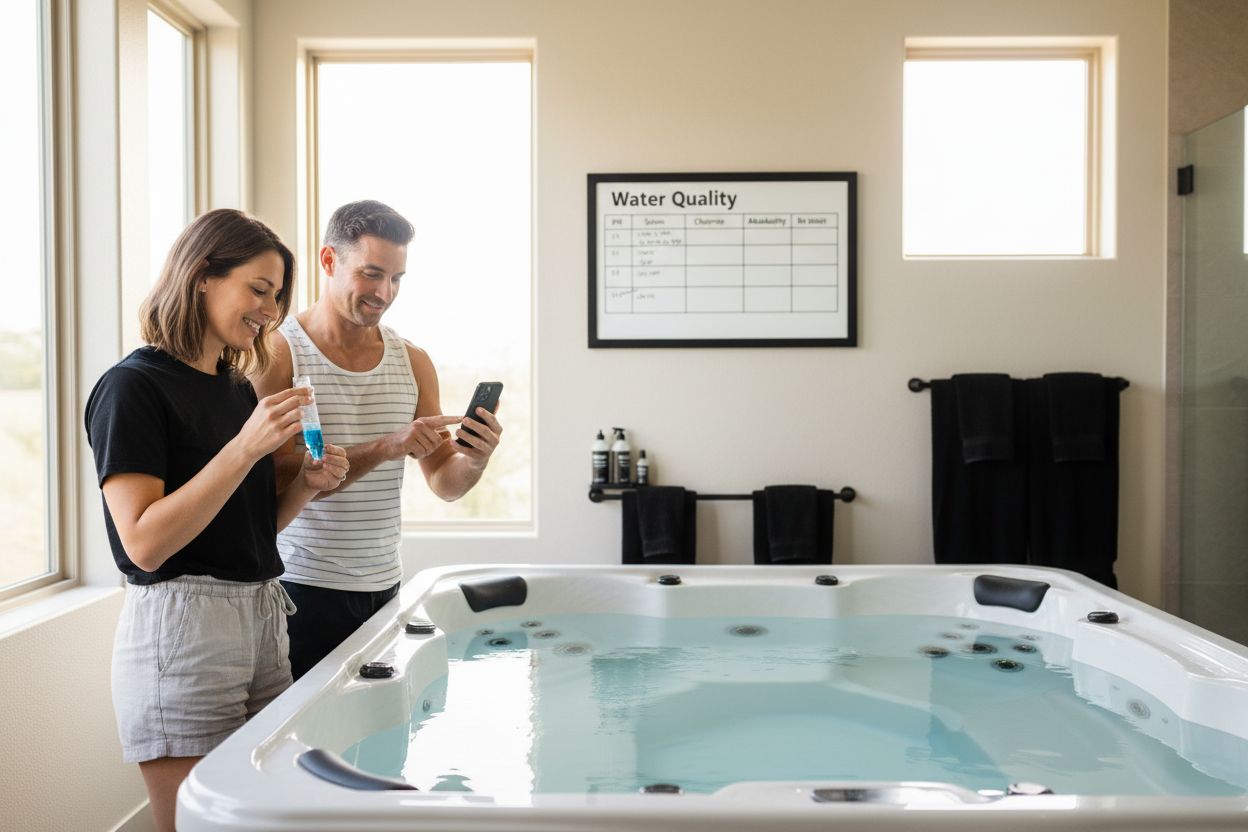
Transform Your Hot Tub Hygiene with Proven Water Treatment Solutions
Are you worried about bacterial contamination or unclear water, despite your best efforts? The article highlighted how difficult it can be to keep your hot tub safe and sparkling. Balancing pH, managing sanitisation, and maintaining water clarity can seem overwhelming without the right support. At ClearSpa, we understand these challenges and offer a full range of hot tub chemicals, sanitisers, and maintenance tools crafted specifically to give you confidence in your spa water quality.
Your time in the hot tub should be relaxing, not stressful. Trust ClearSpa to help you prevent illnesses, enjoy clearer water, and protect your spa investment. Visit our website now to browse expertly tested water treatment solutions. Make the choice for clean, safe, and inviting spa water today.
Frequently Asked Questions
What is the importance of maintaining pH balance in hot tub water treatment?
Maintaining pH balance is crucial as it ensures water acidity and alkalinity remain within optimal ranges, helping to prevent skin irritation and ensuring the effectiveness of sanitising agents.
How often should I test my hot tub water for chemical balance?
It’s recommended to test your hot tub water chemistry at least once a week to monitor pH levels, alkalinity, and sanitiser concentrations effectively.
What types of sanitising agents are commonly used in hot tub water treatment?
Chlorine and bromine are the most common sanitising agents used in hot tubs, both effective in destroying harmful microorganisms while maintaining water quality.
Why is regular maintenance important for hot tub water treatment?
Regular maintenance prevents contamination, ensures optimal water quality, and prolongs the lifespan of spa equipment by allowing for timely interventions and thorough cleaning.