Spa Waterline Cleaner: Essential Hot Tub Hygiene
Spa waterline cleaner removes stubborn marks, oils, and bacteria build-up. Learn about types, application methods, safety and UK-specific tips.
Most British spa owners know keeping crystal-clear water means more than just simple filtration - over 60 percent report that waterline buildup is the stubborn culprit behind cloudy spa surfaces and user complaints. With hot tubs serving as a centrepiece for relaxation across the United Kingdom, finding safe and effective cleaning methods is crucial for protecting both investment and reputation. This guide reveals how targeted waterline solutions help you maintain top water quality and create a consistently inviting spa experience.
Table of Contents
- Core Function Of Spa Waterline Cleaner
- Types And Formulations Available In The UK
- How Spa Waterline Cleaners Work Effectively
- Application Methods For Hot Tub Owners
- Health, Safety And Legal Considerations
Key Takeaways
| Point | Details |
|---|---|
| Function of Spa Waterline Cleaners | These cleaners effectively remove scum lines, organic oils, and mineral deposits while protecting delicate spa surfaces. |
| Types of Formulations | Spa waterline cleaners are available in acidic, alkaline, and neutral formulations, tailored for specific contaminants and surfaces. |
| Application Techniques | Use a soft microfibre cloth for application, testing on inconspicuous areas first to prevent damage, and ensure thorough rinsing after use. |
| Health and Safety Compliance | Hot tub owners must adhere to UK health regulations, maintaining water quality and proper documentation to mitigate health risks. |
Core Function Of Spa Waterline Cleaner
Spa waterline cleaners are specialised solutions designed to tackle one of the most challenging maintenance issues in hot tubs. These professional-grade cleaning agents specifically target the problematic area where water meets the spa’s surface, an environment prone to significant residue buildup. Waterline cleaners from professional sources are engineered to remove stubborn scum lines effectively without disrupting the delicate water chemistry.
The primary function of a spa waterline cleaner involves multiple critical tasks. These include eliminating organic oils, preventing microbial growth, and removing mineral deposits that accumulate along the waterline. By breaking down these complex residues, the cleaner helps maintain both the aesthetic appeal and hygienic standards of your hot tub. Advanced formulations work quickly to dissolve greasy substances, sunscreen remnants, body oils, and other contaminants that typically collect in this transitional zone between water and surface.
Professional spa maintenance experts recommend targeted cleaning approaches that protect the spa’s surface materials. Non-acidic waterline cleaners are particularly beneficial, as they prevent potential damage to delicate surfaces like vinyl, fibreglass, and ceramic tiles. These specialised solutions ensure thorough cleaning without compromising the structural integrity of your spa’s interior, making them an essential component of regular hot tub maintenance.
Pro tip: Always apply waterline cleaner using a soft, non-abrasive microfibre cloth to prevent scratching and maximise cleaning effectiveness.
Types And Formulations Available In The UK
Waterline cleaners in the United Kingdom represent a sophisticated range of specialised chemical solutions designed for precise spa and hot tub maintenance. Professional safety data sheets reveal multiple formulation approaches, including mineral acid-based, organic acid blends, and gentle non-corrosive aqueous mixtures. These formulations are carefully engineered to address different surface types and contamination levels, providing targeted cleaning solutions for British spa owners.
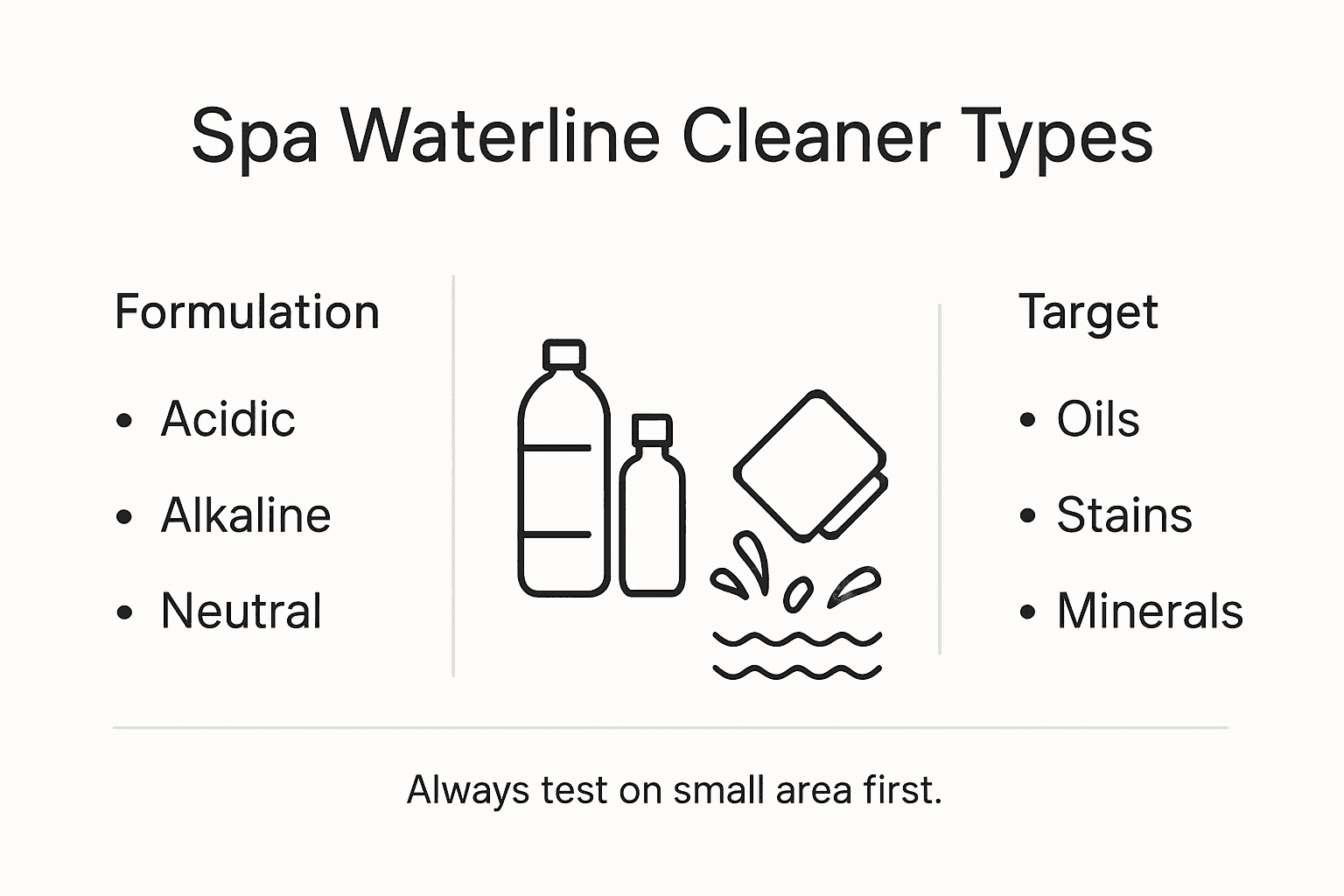
The primary categories of waterline cleaners typically include acidic, alkaline, and neutral formulations. Acidic cleaners are particularly effective at removing calcium and mineral deposits, making them ideal for hard water regions across the United Kingdom. Alkaline solutions excel at breaking down organic residues like body oils, sunscreen, and cosmetic products. Neutral formulations offer a balanced approach, providing thorough cleaning without aggressive chemical interactions that might damage delicate spa surfaces.
British manufacturers have developed sophisticated waterline cleaners that consider environmental regulations and user safety. These products are designed to be biodegradable, minimally toxic, and compliant with UK chemical safety standards. Advanced formulations now incorporate environmentally friendly surfactants and biodegradable compounds that effectively remove contaminants while minimising ecological impact. Professional-grade cleaners are typically concentrated, allowing spa owners to dilute and apply them precisely according to specific maintenance requirements.
Below is a summary table comparing common types of spa waterline cleaner formulations available in the UK:
| Type of Cleaner | Main Target Contaminants | Suitable Surfaces | Environmental Impact |
|---|---|---|---|
| Acidic | Mineral deposits, scale | Tiles, fibreglass | May require careful disposal |
| Alkaline | Oils, cosmetics, sunscreen | Acrylic, vinyl | Often biodegradable options |
| Neutral | Mixed residues, mild build-up | Most surfaces | Typically eco-friendly |
Pro tip: Always test a small, inconspicuous area of your spa surface before applying a new waterline cleaner to ensure compatibility and prevent potential damage.
How Spa Waterline Cleaners Work Effectively
Spa waterline cleaners operate through a sophisticated mechanism of chemical interaction designed to break down and remove complex contaminant layers that accumulate along the water’s edge. These specialised solutions work by employing advanced surfactant technologies that effectively separate and lift organic and inorganic materials from spa surfaces. Professional hot tub cleaning techniques rely on these precise chemical interactions to restore surface cleanliness without causing damage to delicate spa materials.
The cleaning process involves multiple stages of molecular interaction. Initial contact allows the cleaner’s active compounds to penetrate and soften accumulated residues, including body oils, cosmetic products, mineral deposits, and environmental pollutants. Surfactants within the cleaner reduce surface tension, enabling the solution to spread evenly and break down stubborn contaminants. Specialised chemical agents then work to emulsify these materials, transforming them into suspended particles that can be easily rinsed away, leaving the spa surface clean and restored.
Most waterline cleaners leverage a combination of chemical principles to achieve comprehensive cleaning. Alkaline components target organic compounds, while mild acidic elements address mineral scale and calcium buildup. The precise pH balance ensures effective cleaning without compromising the spa’s surface integrity. Modern formulations also incorporate protective agents that create a microscopic barrier, helping to prevent future contaminant adhesion and making subsequent cleaning processes more straightforward.
Pro tip: Apply waterline cleaner systematically from bottom to top to prevent streaking and ensure complete coverage of the spa’s surface edges.
Application Methods For Hot Tub Owners
Spa waterline cleaners require precise application techniques to ensure maximum effectiveness and protect your hot tub’s surfaces. Best practices for hot tub maintenance emphasise the importance of systematic and careful cleaning approaches. Hot tub owners should begin by thoroughly draining the water to the recommended level, exposing the entire waterline area that accumulates residue and contaminants.
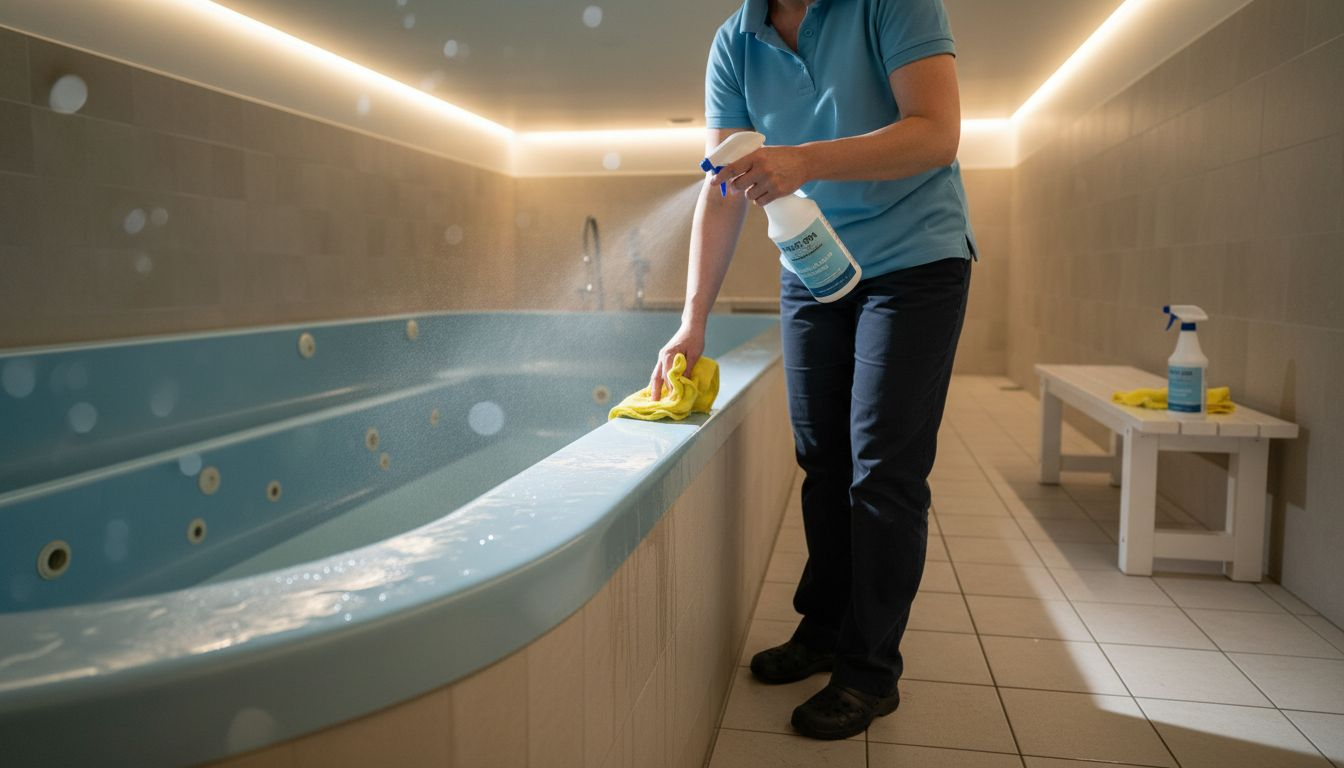
The application process involves several critical steps. Start by selecting an appropriate microfibre cloth or soft sponge that won’t scratch the spa’s surface. Spray the waterline cleaner directly onto the cloth rather than applying it straight to the surface, which helps control the amount of product and prevents potential dripping. Work in small sections, using circular motions to break down and lift contaminants effectively. Ensure complete coverage of the waterline, paying extra attention to areas with visible buildup or discolouration.
Different spa surfaces require nuanced application techniques. Fibreglass, acrylic, and tiled surfaces each respond differently to cleaning solutions. Always test the waterline cleaner on a small, inconspicuous area first to confirm compatibility and prevent potential damage. Rinse thoroughly with clean water after application, using a soft cloth to remove any residual cleaning solution. For optimal results, apply the cleaner when the spa is dry and at room temperature, which allows the cleaning agents to work more effectively without dilution or interference from water.
Pro tip: Keep a dedicated set of soft, lint-free microfibre cloths specifically for spa cleaning to prevent cross-contamination and maintain consistent cleaning results.
Health, Safety And Legal Considerations
Spa waterline maintenance involves critical legal and safety obligations for hot tub owners in the United Kingdom. Health and Safety Executive guidelines mandate stringent protocols to prevent microbiological risks and ensure user protection. Owners must implement comprehensive water quality management strategies that address potential health hazards, particularly the risk of Legionella bacteria proliferation in poorly maintained spa environments.
The legal framework surrounding spa water management is extensive and complex. UK regulations require hot tub operators to conduct regular risk assessments, maintain detailed documentation, and adhere to strict chemical handling and water treatment standards. This includes comprehensive record-keeping of water quality tests, chemical applications, and maintenance procedures. Compliance with the Control of Substances Hazardous to Health (COSHH) regulations is mandatory, compelling owners to develop written policies that outline microbiological safety protocols and establish clear response mechanisms for potential contamination incidents.
Risk mitigation extends beyond routine cleaning. Hot tub owners must understand the intricate relationship between water chemistry, surface cleaning, and potential health risks. Proper waterline cleaning is not merely an aesthetic concern but a critical health protection measure. This involves selecting appropriate cleaning agents that effectively remove contaminants without introducing additional chemical risks, maintaining precise water pH levels, and ensuring regular sanitisation processes that prevent bacterial growth and potential infectious transmission.
The following table outlines essential legal and health responsibilities for British spa owners:
| Responsibility | Legal Requirement | Best Practice | Impact on Users |
|---|---|---|---|
| Water quality testing | Mandatory per UK law | Weekly checks | Reduces health risks |
| Cleaning documentation | Required for compliance | Maintenance log | Ensures legal protection |
| Chemical management | COSHH regulations | Safe storage | Minimises hazards |
| Microbial safety | Risk assessments needed | Routine sanitisation | Prevents infections |
Pro tip: Maintain a dedicated maintenance log documenting each cleaning session, chemical treatment, and water quality test to demonstrate compliance and protect your legal responsibilities.
Maintain Spotless Spa Waterlines with ClearSpa Solutions
Keeping your spa waterline free from stubborn oils, sunscreen residues and mineral deposits is essential for both hygiene and hot tub longevity. The challenge many spa owners face is finding effective cleaning products that remove these contaminants without damaging delicate surfaces or upsetting water chemistry. ClearSpa understands these concerns and offers a range of professional-grade water treatment products meticulously tested for safety and performance.
Discover how ClearSpa’s expert formulations support your spa maintenance regime by targeting the exact residues detailed in the article. Act now to protect your investment and ensure crystal-clear waterlines every time. Visit ClearSpa to explore our complete selection of spa chemicals designed for superior waterline care. Enhance your hot tub experience today with trusted products that combine safety, efficiency and environmental responsibility.
Frequently Asked Questions
What is the primary function of a spa waterline cleaner?
The primary function of a spa waterline cleaner is to eliminate organic oils, prevent microbial growth, and remove mineral deposits that accumulate along the waterline, ensuring both aesthetic appeal and hygienic standards of the hot tub are maintained.
How do I apply a spa waterline cleaner effectively?
To apply a spa waterline cleaner effectively, drain the water to expose the waterline, use a soft microfibre cloth, spray the cleaner onto the cloth, and work in small sections using circular motions. Always rinse thoroughly after application.
What are the different types of formulations available for spa waterline cleaners?
Spa waterline cleaners typically come in three formulations: acidic, alkaline, and neutral. Acidic cleaners target mineral deposits, alkaline cleaners break down organic residues, and neutral formulations provide a balanced cleaning approach without aggressive interactions.
Why is it important to maintain a cleaning log for spa waterline treatments?
Maintaining a cleaning log is crucial for demonstrating compliance with health and safety regulations, tracking water quality tests, and ensuring that all cleaning procedures are documented, protecting both your legal responsibilities and user safety.