Lower pH in Pools - Risks and Remedies Explained
Lower pH in pools affects water comfort, equipment longevity, and chlorine effectiveness. Learn the dangers, causes, and how to safely raise pH.
A quick dip in your pool should be relaxing, not a source of frustration over stinging eyes or damaged equipment. For many in the United Kingdom, managing low pH feels confusing, especially when water starts to turn acidic and creates more headaches than fun. Understanding the impact of pH levels helps you protect your pool from corrosion and keep swimming safe for everyone, offering peace of mind with every splash.
Table of Contents
- What Does Lower pH in Pools Mean
- Causes of Low pH in Pool Water
- How Low pH Impacts Swimmers and Pool Equipment
- Testing and Identifying Low pH Safely
- Raising Low pH Levels: Effective Solutions
Key Takeaways
| Point | Details |
|---|---|
| pH Levels are Crucial | Maintaining pH levels between 7.2 and 7.6 is essential to prevent water from becoming corrosive and to protect both pool equipment and swimmers. |
| Regular Testing is Necessary | Consistent monitoring using reliable testing methods is vital to identify and correct pH imbalances promptly. |
| Impact on Swimmers and Equipment | Low pH can lead to skin irritation for swimmers and accelerated corrosion of metal components, necessitating proactive management. |
| Effective Solutions for pH Correction | Strategies like using sodium carbonate or aeration can effectively raise pH levels, but they must be applied carefully to avoid overcorrection. |
What Does Lower pH in Pools Mean
Pools have a delicate chemical balance, and pH levels play a critical role in maintaining water quality. When we discuss lower pH in pools, we are referring to water that has become more acidic, falling below the ideal range of 7.2 to 7.6 on the pH measurement scale.
Understanding pH is crucial for pool maintenance. Water with a lower pH indicates increased acidity, which can trigger several problematic chemical reactions. Here are the key characteristics of low pH pool water:
- Increased corrosiveness towards pool equipment
- Potential damage to pool surfaces and liner materials
- Higher risk of skin and eye irritation for swimmers
- Reduced effectiveness of chlorine and other sanitising chemicals
The implications of low pH extend beyond simple water chemistry. Acidic pool water can cause significant structural and functional challenges that compromise both pool infrastructure and user experience.
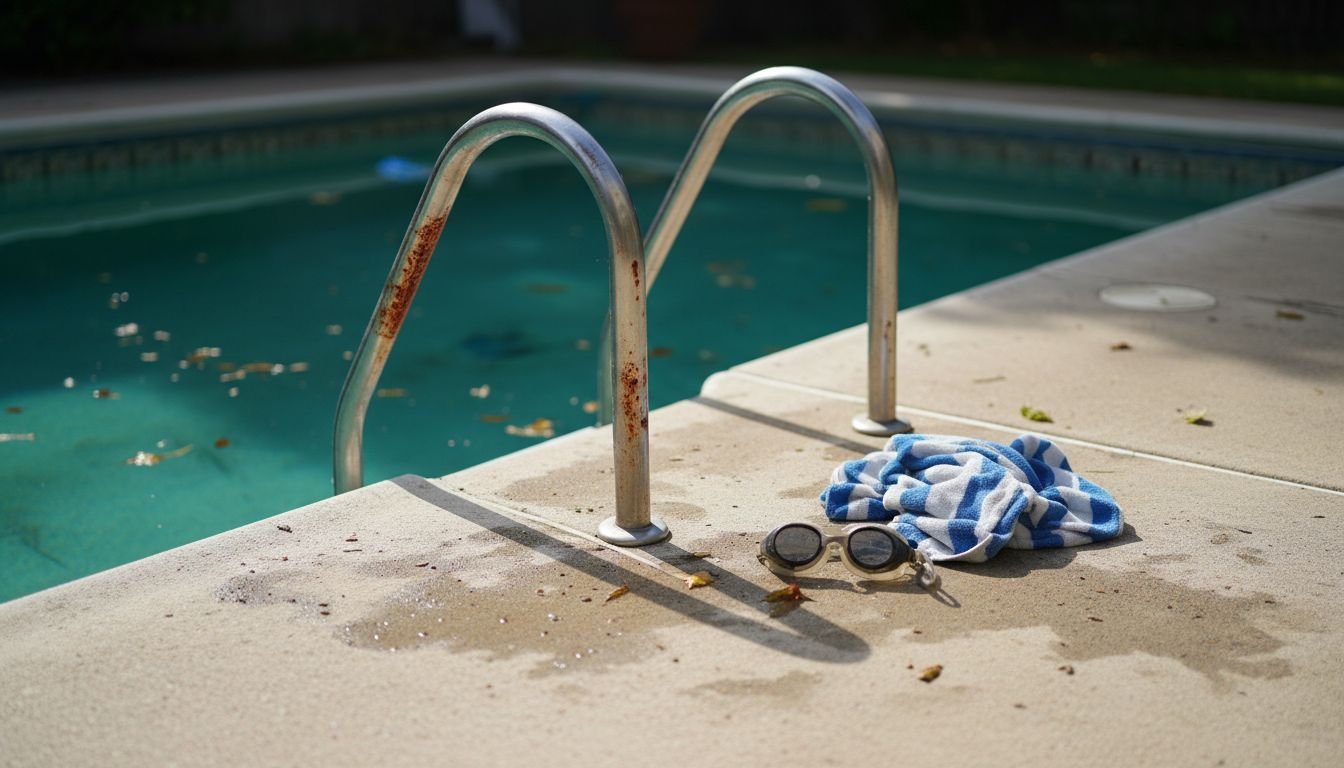
Pools with consistently low pH create an environment where metal components like ladders, filters, and heaters can corrode rapidly. This corrosion not only damages expensive equipment but can also introduce metallic contaminants into the water, further disrupting its delicate chemical balance.
Low pH water acts like a chemical solvent, gradually breaking down pool materials and creating potential health risks for swimmers.
Pro tip: Regularly test your pool water using reliable pH testing strips and aim to maintain pH levels between 7.2 and 7.6 to prevent potential damage and ensure optimal swimming conditions.
Causes of Low pH in Pool Water
Maintaining proper pool water chemistry requires understanding the various factors that can contribute to low pH levels. Pool water chemistry disruptions stem from multiple sources, each capable of pushing water towards increased acidity.
Several key factors can cause pH levels to drop in swimming pools:
- Excessive rainfall introducing acidic environmental contaminants
- Frequent use of chlorine-based sanitising agents
- High levels of dissolved carbon dioxide
- Improper chemical balancing during maintenance
- Organic debris and swimmer contamination
- Incorrect chemical dosage during water treatment
Chemical interactions play a significant role in pH destabilisation. Chlorine-based sanitisers, while essential for pool hygiene, can gradually reduce pH levels through their inherent acidic properties. Swimming pool owners must understand that every chemical introduced to the water potentially impacts its delicate balance.
Environmental factors also contribute substantially to pH fluctuations. Water pollution sources like nearby industrial runoff, organic decomposition, and atmospheric conditions can introduce acidic compounds that lower pool water pH.
Consistent monitoring and proactive chemical management are crucial for maintaining optimal pool water chemistry.
Pro tip: Invest in a reliable digital pH testing kit and conduct weekly water chemistry checks to catch and correct pH imbalances before they become significant problems.
How Low pH Impacts Swimmers and Pool Equipment
The consequences of low pH in swimming pools extend far beyond simple water chemistry, affecting both human comfort and mechanical infrastructure. Pool water’s acidic environment creates significant risks for swimmers and expensive pool equipment alike.
For swimmers, the potential health impacts are particularly concerning:
- Increased skin irritation and potential dermatological reactions
- Heightened risk of eye inflammation and discomfort
- Potential compromise of natural skin barrier protection
- Increased vulnerability to chlorine-related sensitivities
- Higher likelihood of experiencing itching and dryness
Mechanical components face equally devastating consequences. Metal fixtures, pumps, filters, and heating systems become vulnerable to accelerated corrosion, leading to premature equipment failure. Metallic components are especially susceptible, with acidic water gradually breaking down protective coatings and structural integrity.
Swimming pool water conditions can transform from a recreational asset to a potential hazard when pH levels drop consistently below acceptable ranges. The cumulative damage occurs incrementally, often going unnoticed until significant repair or replacement becomes necessary.

Low pH water acts as a silent destroyer, gradually compromising both human comfort and mechanical infrastructure.
Pro tip: Implement a comprehensive monthly inspection routine that includes pH testing, equipment evaluation, and proactive maintenance to mitigate potential long-term damage caused by acidic water conditions.
Testing and Identifying Low pH Safely
Pool water testing techniques are essential for maintaining a safe and comfortable swimming environment. Understanding how to accurately measure and interpret pH levels requires careful approach and appropriate equipment.
Multiple testing methods are available for pool owners to assess water chemistry safely:
- Digital pH metre testing
- Liquid reagent test kits
- Colour-changing test strips
- Electronic handheld testing devices
- Professional laboratory water analysis
Each testing method offers unique advantages in detecting pH level variations. Digital metres provide precise numerical readings, while colour-changing test strips offer quick visual assessments. Professional swimmers and pool managers typically recommend using multiple testing techniques to cross-verify results and ensure comprehensive water quality monitoring.
Here’s a comparison of common pool water testing methods and their advantages:
| Testing Method | Accuracy Level | Speed of Results | Typical Cost |
|---|---|---|---|
| Digital pH metre | High, precise reading | Moderate | Higher initial price |
| Liquid reagent kit | Reliable, colour-based | Moderate | Low ongoing cost |
| Colour-changing test strips | Moderate, easy to use | Fast | Affordable packs |
| Electronic handheld device | High, portable | Fast | Moderate to high |
| Laboratory analysis | Highest professional | Slowest | Premium per test |
Water quality testing protocols require careful handling and interpretation. Accurate testing involves understanding standardised colour charts, maintaining proper testing equipment, and knowing how to interpret results within recommended safety parameters.
Consistent and accurate pH testing is the first line of defence in maintaining a safe swimming environment.
Pro tip: Calibrate your pH testing equipment regularly and store test strips in a cool, dry environment to maintain their accuracy and reliability.
Raising Low pH Levels: Effective Solutions
Pool water chemical management requires strategic and precise approaches to restore optimal pH balance. Understanding the correct methods for raising pH levels is crucial for maintaining a safe and comfortable swimming environment.
Effective strategies for increasing pool water pH include:
- Adding sodium carbonate (soda ash)
- Introducing sodium bicarbonate
- Using specialised pH increasing chemicals
- Implementing proper aeration techniques
- Reducing carbon dioxide levels in the water
- Balancing total alkalinity
The process of raising pH levels demands careful calculation and gradual implementation. Chemical dosage plays a critical role in preventing overcorrection, which can lead to further water chemistry complications. Professional pool managers recommend adding alkaline substances incrementally and retesting water parameters after each adjustment.
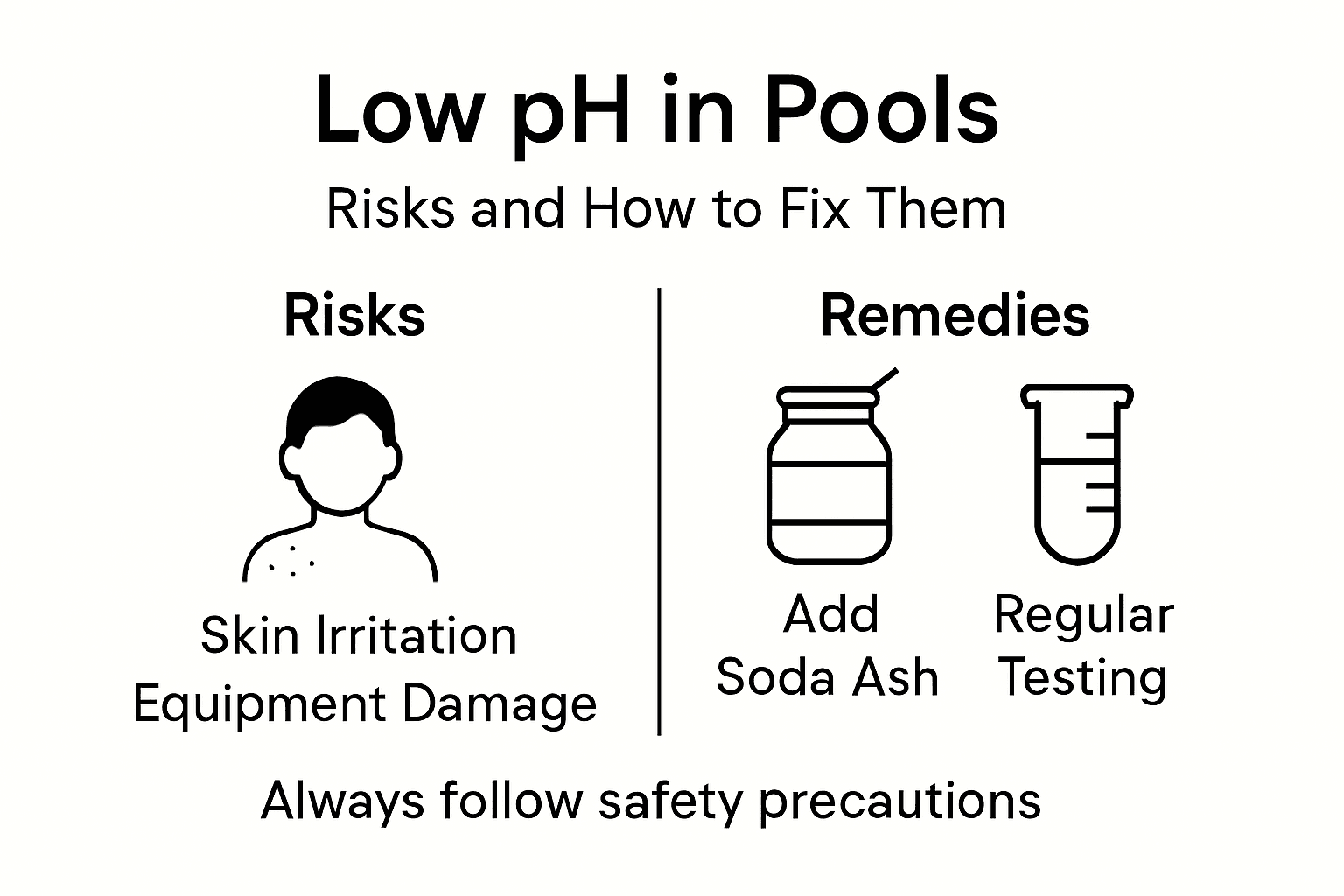
Here is an overview of strategies for raising pool pH and their typical impact:
| Method | Speed of Effect | Risk if Overused |
|---|---|---|
| Sodium carbonate | Rapid | Alkalinity imbalance |
| Sodium bicarbonate | Gradual | Cloudy water |
| Aeration technique | Slow | Minimal risk |
| Specialist chemicals | Rapid | Safety precautions |
Swimming pool water treatment involves understanding the intricate relationship between different chemical components. Sodium carbonate remains the most common and effective method for increasing pH, typically raising levels by 0.2 to 0.3 units per recommended dosage.
Precise and measured chemical interventions are key to maintaining optimal pool water chemistry.
Pro tip: Always add chemicals to water, not water to chemicals, and wear protective equipment during pool maintenance to ensure personal safety and accurate treatment.
Restore Perfect Pool pH with Trusted Solutions from ClearSpa
Maintaining balanced pH levels is essential to protect your pool equipment and ensure swimmer comfort. As the article highlights, low pH causes corrosive water that damages metal components and irritates skin and eyes. You need effective water treatment products that safely raise pH levels while preserving your pool’s delicate chemical balance. ClearSpa offers a comprehensive range of meticulously tested chemicals delivered by a Spa Trade Group Brand dedicated to your pool and hot tub health.
Take control of your pool’s water chemistry today with high-quality hot tub and pool chemicals from ClearSpa. Experience peace of mind by using trusted products designed to prevent equipment corrosion, reduce swimmer discomfort, and maintain sparkling clean water. Don’t wait for damage to occur. Visit ClearSpa now and discover safe, effective solutions that keep your pool water perfectly balanced.
Frequently Asked Questions
What does a lower pH level in pools indicate?
A lower pH level in pools indicates that the water has become more acidic, falling below the ideal range of 7.2 to 7.6. This increased acidity can lead to several issues, including corrosion of pool equipment and irritation for swimmers.
What causes low pH levels in swimming pools?
Low pH levels can be caused by factors such as excessive rainfall, the frequent use of chlorine-based sanitising agents, high levels of dissolved carbon dioxide, improper chemical balancing, and organic debris contamination.
How can I safely test the pH levels of my pool water?
You can test the pH levels of your pool water using various methods, including digital pH metres, liquid reagent test kits, colour-changing test strips, electronic handheld testing devices, and professional laboratory analysis. Each method has its advantages regarding accuracy and speed of results.
What are effective solutions to raise low pH levels in pool water?
Effective solutions for raising low pH levels include adding sodium carbonate (soda ash), sodium bicarbonate, or using specialised pH increasing chemicals. It’s important to introduce these substances gradually and retest the water after each adjustment to prevent overcorrection.