7 Step Hot Tub Readiness Checklist for UK Homeowners
Discover a practical hot tub readiness checklist with 7 essential tips for UK homeowners to ensure safe, clean, and enjoyable seasonal spa use.
Most British households with hot tubs face surprise repair bills each year due to hidden shell cracks and neglected maintenance. As British weather shifts, proper hot tub care can easily slip through the cracks, leaving you at risk for costly water damage and health hazards. This guide highlights practical steps for British homeowners to spot problems early, keep water sparkling clean, and enjoy every soak without seasonal setbacks.
Table of Contents
- 1. Inspect Your Hot Tub Shell for Cracks and Damage
- 2. Clean and Replace Hot Tub Filters for Clear Water
- 3. Test Water Balance Using Reliable Chemicals
- 4. Shock the Water for Effective Sanitisation
- 5. Check and Maintain Water Level for Safe Operation
- 6. Examine Jet and Pump Function for Optimum Performance
- 7. Stock Up on Spa Essentials for the Season Ahead
Quick Summary
| Key Insight | Explanation |
|---|---|
| 1. Inspect hot tub shell for damage | Regularly check for cracks to prevent leaks and electrical hazards. Document any issues you find for professional advice if necessary. |
| 2. Clean and replace filters regularly | Maintain water clarity by cleaning filters every 4-6 weeks and replacing them every 12-24 months, ensuring optimal performance. |
| 3. Test water chemistry frequently | Conduct water tests at least twice a week to maintain balanced pH, alkalinity, and sanitizer levels, preventing health risks and equipment damage. |
| 4. Shock water after heavy use | Perform shock treatments weekly or bi-weekly to eliminate contaminants and maintain sanitised water, especially after multiple users. |
| 5. Maintain proper water level | Ensure the water level stays between minimum and maximum indicators to prevent pump damage or overflow, checking it weekly. |
1. Inspect Your Hot Tub Shell for Cracks and Damage
Maintaining the structural integrity of your hot tub shell is far more than a cosmetic concern it is a critical safety priority. A compromised shell can lead to potential water leakage, electrical hazards, and significant repair expenses. While most hot tubs are designed for durability, regular inspection is key to identifying potential issues before they escalate.
Understanding the nature of shell damage requires careful observation. Hot tub shell cracks can range from superficial surface imperfections to serious structural vulnerabilities that demand immediate attention. These cracks may result from multiple factors including temperature fluctuations, installation stress, material fatigue, and general wear and tear.
When conducting your inspection, pay close attention to the entire shell surface. Look for tell-tale signs such as hairline fractures, spider web-like cracks, or more pronounced structural breaks. Run your hands gently across the surface feeling for any irregularities or uneven textures that might indicate underlying damage. Check around jet areas, seating regions, and corners where stress concentrations are most likely to occur.
Electrical safety becomes paramount when shell integrity is compromised. Hot tubs are classified as Class I electrical appliances with immersed water heating elements, meaning any breach in the shell could potentially create significant electrical risks. Water and electricity make a dangerous combination, so even minor cracks warrant professional assessment.
If you discover any damage, document its location and extent through photographs. Small surface cracks might be repairable with specialised products, while more significant damage could require professional intervention. Do not attempt complex repairs without expert guidance, as improper treatment could void warranties or create additional safety risks.
Pro tip: Conduct your hot tub shell inspection during daylight hours and use a bright torch to help highlight even the most subtle surface imperfections that might be missed during casual observation.
2. Clean and Replace Hot Tub Filters for Clear Water
Your hot tub filter serves as the first line of defence against water contamination, trapping debris and ensuring crystal clear water. Neglecting filter maintenance can transform your relaxing spa experience into a potential health hazard.
Regular filter cleaning and replacement are critical preventive steps against microbial contamination, particularly in preventing the growth of harmful bacteria like Legionella. These microscopic filters work tirelessly to remove particles, oils, and organic matter that could compromise your water quality and potentially impact your health.
Most hot tub filters require cleaning every four to six weeks and complete replacement every 12 to 24 months. Start by removing the filter and rinsing it thoroughly with a garden hose, ensuring you spray between the pleats to dislodge trapped debris. For deeper cleaning, use a specialised filter cleaning solution that breaks down oils and organic contaminants more effectively than water alone.
When cleaning your filter, inspect it carefully for signs of wear such as fraying, discolouration, or permanent staining. These indicators suggest it might be time for a replacement. A worn filter loses its ability to effectively trap contaminants, reducing water quality and potentially straining your hot tub’s circulation system.
Establish a routine maintenance schedule that includes both regular cleaning and periodic replacement. Mark your calendar or set digital reminders to ensure you do not overlook this critical maintenance task. Consistent filter care not only maintains water clarity but also extends the lifespan of your hot tub equipment.
Pro tip: Keep a spare filter on hand so you can immediately replace a dirty one while cleaning the other, ensuring uninterrupted hot tub enjoyment.
3. Test Water Balance Using Reliable Chemicals
Maintaining precise water chemistry is the cornerstone of a safe and enjoyable hot tub experience. Your spa water is a delicate ecosystem that requires careful monitoring and management to prevent potential health risks and equipment damage.
The Pool Water Treatment Advisory Group emphasises the critical importance of regular water testing and parameter management, highlighting the need for consistent and accurate chemical balance. Proper water testing involves more than just occasional checks it is a systematic approach to ensuring water quality and user safety.
To effectively test your hot tub water, you will need reliable chemical test strips or a professional testing kit. The key parameters to monitor include pH levels, total alkalinity, free chlorine or bromine, and calcium hardness. Ideal ranges for these parameters are specific: pH should sit between 7.4 and 7.6, total alkalinity between 80 and 120 parts per million (ppm), with sanitiser levels maintained at manufacturer recommended concentrations.
Water imbalance can lead to a host of problems ranging from mild inconveniences to significant health risks. Incorrect pH levels can cause skin irritation, reduce sanitiser effectiveness, and potentially damage your hot tub equipment through corrosion or scale buildup. High alkalinity might make your water cloudy, while low alkalinity can lead to rapid pH fluctuations.
Consistent testing requires establishing a regular schedule. Aim to test your water at least twice weekly using fresh, unexpired test strips or a digital testing device. Always follow manufacturer instructions carefully and take readings after the hot tub has been unused for at least an hour to ensure accurate results.
Pro tip: Store your testing strips in a cool, dry place and always check the expiration date to ensure accurate readings.
4. Shock the Water for Effective Sanitisation
Shock treatment is a critical maintenance technique that goes beyond routine hot tub cleaning transforming your water from potentially contaminated to pristinely sanitised. Think of it as a deep cleanse for your hot tub that eliminates organic matter and prevents harmful bacterial growth.
Shock chlorination involves temporarily raising free chlorine levels to rapidly reduce bacterial contamination, effectively oxidising unwanted organic materials and restoring water clarity. This process is particularly important in warm water environments where bacteria can multiply quickly and compromise water quality.
The primary objective of shocking your hot tub is to break down accumulated contaminants such as body oils, skin cells, cosmetics, and other organic residues that standard sanitisation might miss. By dramatically increasing chlorine levels for a short period, you essentially reset your water chemistry and eliminate potential breeding grounds for microorganisms.
To perform a shock treatment, you will need to purchase a specialised shock treatment product designed for hot tubs. Always follow the manufacturer’s instructions carefully regarding dosage and waiting times. Typically, you will add the shock treatment to your hot tub water in the evening and allow it to circulate overnight, ensuring maximum effectiveness. It is crucial to avoid using the hot tub until chlorine levels return to a safe range generally below 3 parts per million.
Frequency of shock treatments depends on your hot tub usage. As a general guideline, shock your hot tub weekly if it is used frequently or by multiple people. For less frequent use, every two weeks should suffice. Always shock your hot tub after heavy use such as a party or when multiple people have used the spa in a short timeframe.
Pro tip: Wear protective gloves and safety glasses when handling shock treatments to prevent potential skin or eye irritation from concentrated chemicals.
5. Check and Maintain Water Level for Safe Operation
The water level in your hot tub is not just a cosmetic concern but a critical safety requirement that directly impacts the performance and longevity of your spa equipment. Proper water management ensures your hot tub operates efficiently and prevents potentially costly damage to its internal systems.
Level sensors play a crucial role in monitoring and maintaining appropriate water volumes, helping prevent scenarios that could compromise your hot tub’s functionality. Understanding the optimal water level range is essential for safe and effective operation.
Most hot tubs have clearly marked minimum and maximum water level indicators, typically located near the skimmer or filter area. The ideal water level should always be approximately halfway up the skimmer opening. This ensures proper water circulation, allows effective filtration, and prevents air from entering the pump system which could cause damage or reduce operational efficiency.
Understanding the consequences of incorrect water levels is paramount. Water that is too low can cause the pump to run dry, potentially burning out expensive components. Conversely, overfilling can lead to water displacement when users enter the tub, potentially causing overflow and creating electrical hazards. Regular visual checks combined with occasional manual measurements will help you maintain the perfect water balance.
Consider establishing a weekly water level checking routine. Use a clean bucket or cup to add water as needed, ensuring you are using fresh, clean water that matches your hot tub’s existing chemical balance. Always add water slowly and carefully to avoid splashing or disrupting the chemical equilibrium you have carefully maintained.
Pro tip: Keep a dedicated measuring stick or mark near your hot tub to quickly and accurately assess water levels without guesswork.
6. Examine Jet and Pump Function for Optimum Performance
The jets and pump system are the heart of your hot tub experience, transforming a simple water container into a therapeutic relaxation zone. Understanding their intricate workings is key to maintaining peak performance and ensuring a consistently enjoyable spa experience.
Hot tub pumps play a critical role in circulating water through jets and providing therapeutic massage effects, making their proper function essential for both comfort and safety. These complex systems incorporate multiple components that work together to create the perfect hydrotherapy environment.
When examining your hot tub jets, look for several key indicators of optimal performance. Start by running your hand across each jet to feel the water pressure and consistency. A well functioning jet should provide steady, strong water flow without sputtering or weak spots. Listen carefully for any unusual sounds such as grinding, rattling, or excessive humming from the pump, which could indicate mechanical issues that require immediate attention.
The Venturi effect plays a fascinating role in jet performance, allowing air to mix with water to create those invigorating massage sensations. Some jets incorporate air blowers to enhance the bubbling effect, providing different massage intensities. Blockages or wear can significantly reduce these therapeutic benefits, making regular inspection crucial.
Practical examination involves a systematic approach. Check each jet individually for signs of mineral buildup, cracks, or reduced water flow. Ensure that jet nozzles can be rotated or adjusted if your model allows this feature. Inspect the surrounding areas for any signs of water leakage or unusual wear that might indicate underlying mechanical problems.
Pro tip: Keep a small notebook near your hot tub to log jet performance and pump sounds during each maintenance check, helping you track any gradual changes over time.
7. Stock Up on Spa Essentials for the Season Ahead
Preparing your hot tub for the upcoming season requires more than just enthusiasm it demands strategic planning and a well stocked arsenal of essential supplies. Being proactive about your spa maintenance can transform potential stress into a smooth, enjoyable experience.
Home pool and spa safety fundamentally depends on maintaining a comprehensive inventory of critical supplies, ensuring your hot tub remains a sanctuary of relaxation rather than a source of maintenance headaches. Your essential checklist should include several key categories of items.
First, prioritise water treatment chemicals. Stock up on sanitisers like chlorine or bromine, pH balancers, alkalinity adjusters, and shock treatment products. Purchase reliable test strips to monitor water chemistry accurately. Consider buying these in slightly larger quantities to avoid last minute rushes and ensure consistent water quality throughout the season.
Second, gather replacement parts and maintenance tools. This includes spare filters, filter cleaning solutions, skimmer nets, cleaning cloths, and water absorbing towels. Having these items readily available means you can address maintenance needs immediately, preventing potential equipment issues from escalating.
Third, invest in safety and comfort accessories. Water proof cover protectors, thermal blankets, cleaning mitts, and water treatment gloves are often overlooked but can significantly enhance your hot tub experience. These items protect both your equipment and your personal comfort during maintenance routines.
Pro tip: Create a dedicated storage container for your hot tub essentials to keep everything organised, dry, and easily accessible when you need them most.
Here is a comprehensive table summarising the main points and recommendations discussed throughout the provided article on maintaining a hot tub effectively and safely.
| Category | Details | Importance |
|---|---|---|
| Inspecting the shell | Regularly check for cracks or damage, noting any irregularities or fractures. | Prevent water leakage, electrical hazards, and structural issues. |
| Maintaining filters | Clean filters every 4-6 weeks and replace them every 12-24 months. | Ensures effective contamination control and prolongs equipment lifespan. |
| Testing water balance | Use reliable tools to monitor pH, alkalinity, and sanitiser levels. | Maintains safe water conditions and prevents equipment damage. |
| Performing shock treatments | Periodically increase chlorine for deep sanitisation of the water. | Eliminates contaminants and maintains a clean, safe hot tub environment. |
| Checking and maintaining water levels | Monitor and adjust water level weekly, ensuring proper circulation within skimmer marks. | Prevents operational inefficiencies and protects internal systems. |
| Verifying jets and pump functionality | Regularly inspect jets for consistent pressure and check pump sounds for signs of issues. | Maintains hydrotherapy performance and reduces potential system damage. |
| Stock up on essentials | Maintain a supply of chemicals, replacement parts, and cleaning tools for convenience. | Streamlines maintenance routines and ensures uninterrupted hot tub usage. |
Ensure adherence to these outlined maintenance steps to enjoy a safe and enjoyable hot tub experience.
Prepare Your Hot Tub with Confidence Using ClearSpa Solutions
Maintaining your hot tub’s safety and performance requires more than occasional checks it demands precise water chemistry, reliable sanitisation, and quality maintenance products. The challenges outlined in the “7 Step Hot Tub Readiness Checklist for UK Homeowners” highlight key pain points such as managing water balance, replacing filters timely, and inspecting the hot tub shell for damage. These steps are vital to prevent health risks and costly repairs while maximising pleasure in your spa experience.
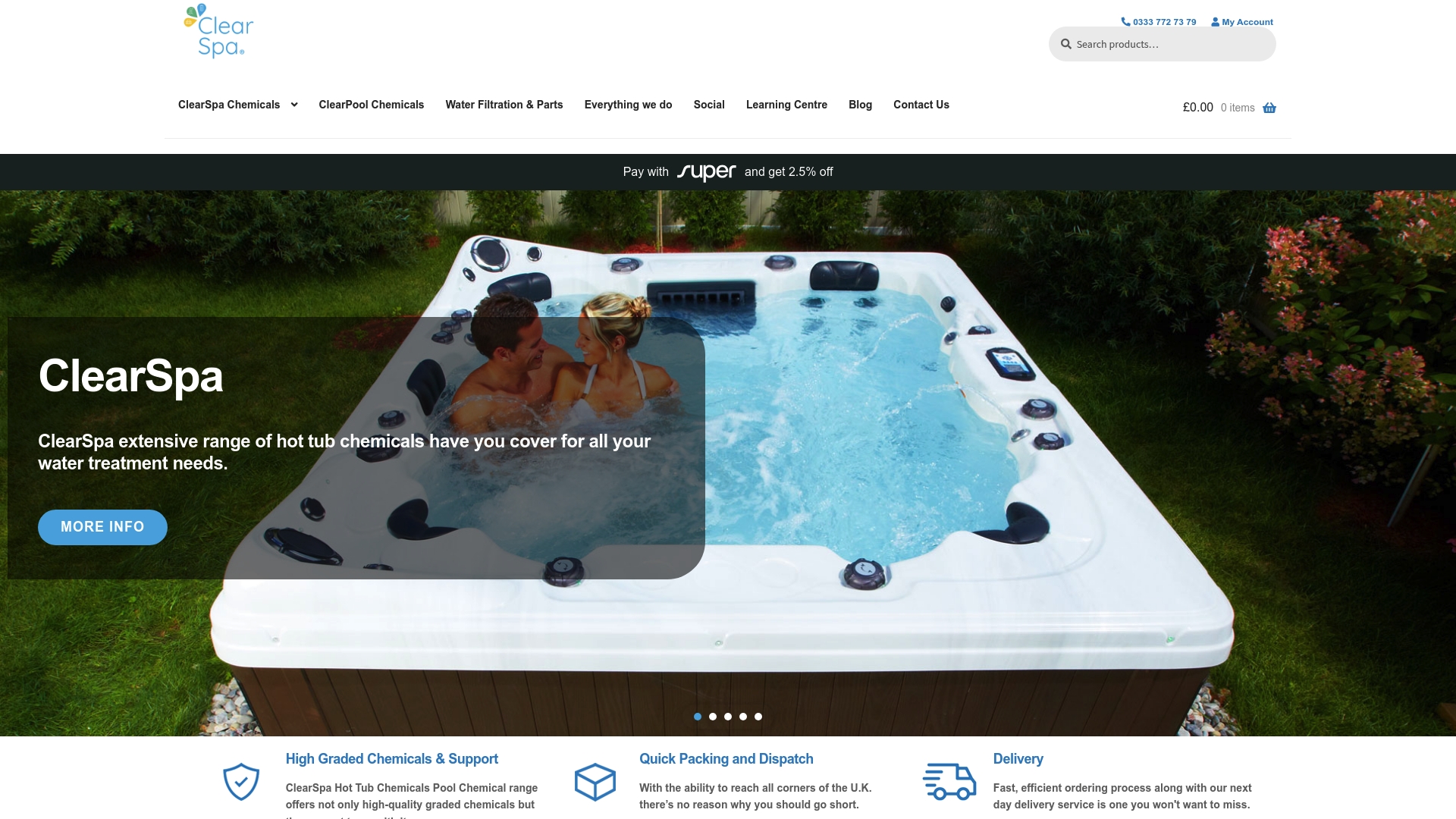
Enhance your hot tub readiness by choosing from ClearSpa’s expertly tested water treatment chemicals and spa essentials. With a trusted range tailored to UK homeowners, you can maintain crystal clear water, keep your equipment running smoothly, and extend your hot tub’s lifespan. Act now to enjoy peace of mind and effortless maintenance with ClearSpa’s premium products. Start your journey today by exploring our comprehensive selection of water treatment solutions designed specifically for safe and effective hot tub care.
Frequently Asked Questions
How can I inspect my hot tub shell for damage?
To inspect your hot tub shell for damage, look closely for any cracks or irregular textures, especially around jets and seating areas. Run your hand along the shell’s surface to feel for abnormalities, and document any findings for potential repairs.
What is the recommended frequency for cleaning and replacing hot tub filters?
You should clean your hot tub filters every four to six weeks and replace them every 12 to 24 months. Establish a routine so you can maintain water clarity and protect the circulation system effectively.
How do I test the water balance in my hot tub?
To test the water balance in your hot tub, use reliable chemical test strips to check pH levels, total alkalinity, and sanitiser concentrations. Perform tests at least twice a week for optimal water quality and adjust your chemical levels as necessary.
What steps should I take to shock my hot tub water?
To shock your hot tub water, add a specialised shock treatment product in the evening, following the manufacturer’s dosage instructions. Allow the water to circulate overnight to effectively eliminate contaminants and resume usage only when chlorine levels are safe and below 3 parts per million.
How do I maintain the correct water level in my hot tub?
To maintain the correct water level, regularly check that it sits halfway up the skimmer opening. Add water slowly as needed, ensuring you don’t disrupt the existing chemical balance.
What should I stock up on for hot tub maintenance?
You should stock up on water treatment chemicals, replacement parts like filters, and maintenance tools such as cleaning nets and cloths. Consider having these supplies ready to simplify ongoing maintenance and enhance your hot tub experience.