Understanding the Role of Spa Balancing Chemicals
Explore the role of spa balancing chemicals for a comprehensive understanding of their importance in maintaining spa water quality.
Everyone loves the relaxing feeling of sinking into a hot tub, but most people never realise just how delicate that crystal-clear water really is. It may surprise you that unbalanced spa water can allow Legionella bacteria to multiply at an alarming rate, posing a serious risk of infection. The real shock is this. The true secret to safe and enjoyable spa water does not lie in expensive filters or constant water changes. It is all about mastering the basics with the right spa balancing chemicals.
Table of Contents
- What Are Spa Balancing Chemicals?
- Why Spa Balancing Chemicals Are Important
- How Spa Balancing Chemicals Work
- Key Types Of Spa Balancing Chemicals
- The Impact Of Poor Spa Water Balance
Quick Summary
| Takeaway | Explanation |
|---|---|
| Maintain pH between 7.2 and 7.6 | Keeping pH in this range optimises sanitiser effectiveness and protects against skin irritation and equipment damage. |
| Use sanitisers to eliminate harmful bacteria | Chlorine and bromine are essential to prevent microbial contamination, ensuring a safe spa experience. |
| Regularly check alkalinity levels | Alkalinity stabilisers prevent sudden pH changes, protecting equipment and maintaining consistent water quality. |
| Address poor water balance immediately | Imbalanced water can lead to health risks and equipment damage, necessitating prompt chemical adjustments to restore balance. |
| Invest in maintenance to protect spa longevity | Proper chemical management preserves equipment integrity and prevents costly repairs, safeguarding your spa investment. |
What Are Spa Balancing Chemicals?
Spa balancing chemicals represent a specialised group of water treatment solutions designed to maintain optimal water chemistry and quality in hot tubs and spas. These essential compounds work together to create a safe, comfortable, and hygienic environment for spa users.
The Core Purpose of Spa Balancing Chemicals
At their fundamental level, spa balancing chemicals serve multiple critical functions that go beyond simple water maintenance. Learn more about water management techniques to understand their comprehensive role. These chemicals perform several key tasks:
- Regulate water pH levels to prevent corrosion and scale formation
- Control bacterial and microbial growth
- Neutralise contaminants introduced by users
- Preserve the structural integrity of spa equipment
The Health and Safety Executive highlights that improper water management in spa systems can potentially create environments conducive to harmful microorganism proliferation, underscoring the critical nature of these chemical treatments.
Chemical Composition and Functionality
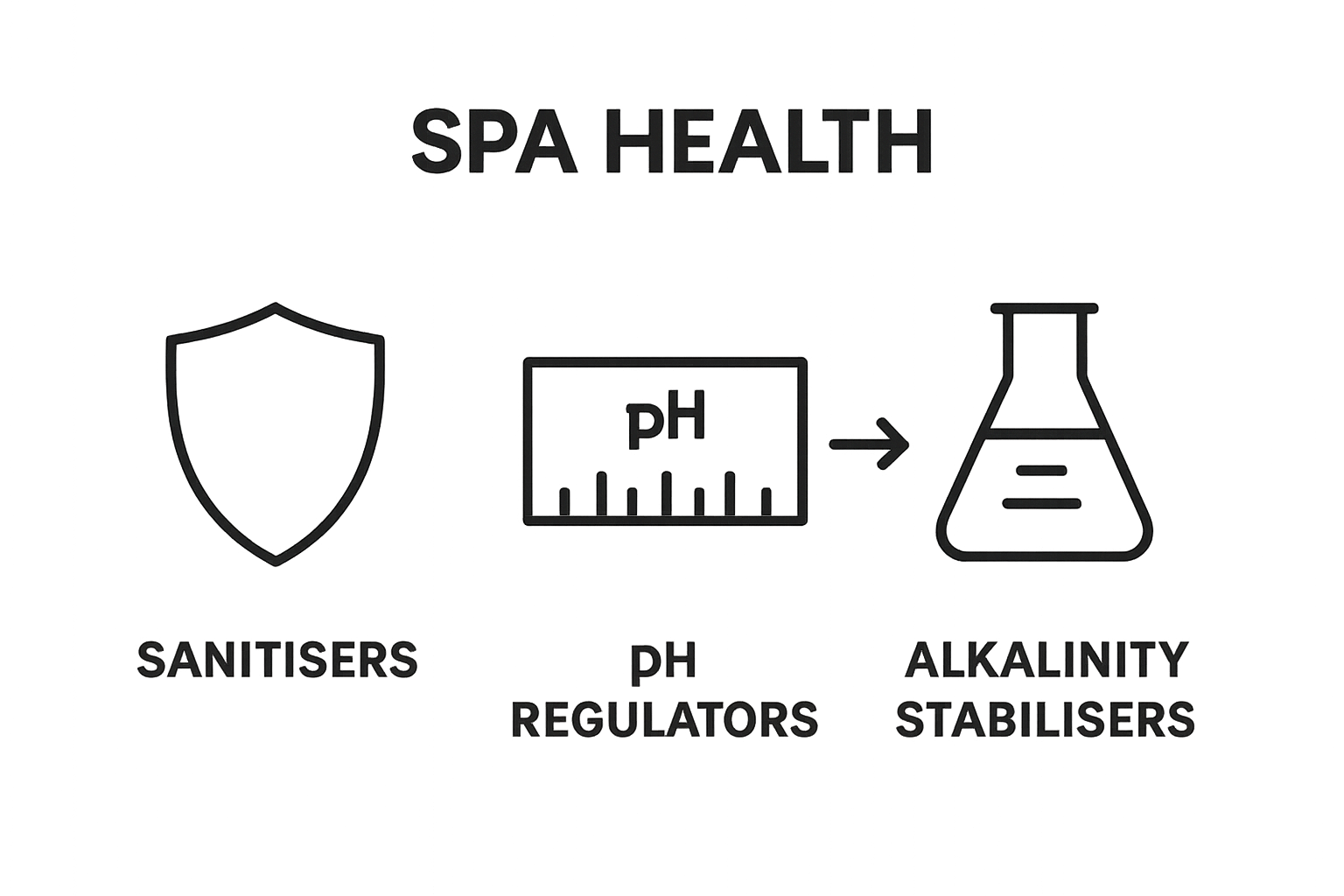
Spa balancing chemicals typically include several primary components, each serving a specific purpose in water treatment. Sanitisers like chlorine and bromine eliminate harmful bacteria, while pH adjusters maintain water at an optimal acidbase balance. Alkalinity stabilisers prevent sudden pH fluctuations, ensuring consistent water quality.
Understanding the interactions between these chemical components is crucial. For instance, maintaining the correct pH range between 7.2 and 7.6 allows sanitisers to function effectively, preventing potential skin irritation and equipment damage. Alkalinity acts as a buffer, protecting the spa from rapid pH changes that could compromises its overall chemical equilibrium.
Why Spa Balancing Chemicals Are Important
Spa balancing chemicals play a critical role in maintaining the overall health, safety, and performance of hot tubs and spa environments. Explore our comprehensive water management strategies to understand the comprehensive implications of proper chemical treatment.
Health and Safety Protection
The primary importance of spa balancing chemicals lies in their ability to create a safe and hygienic bathing environment. According to the Health and Safety Executive, improperly managed spa systems can become breeding grounds for dangerous microorganisms like Legionella pneumophila, which causes serious respiratory infections.
Key health protection mechanisms include:
- Eliminating harmful bacteria and pathogens
- Preventing the growth of potentially dangerous microorganisms
- Neutralising contaminants introduced by human bodies
- Reducing risk of skin infections and waterborne diseases
Equipment and Infrastructure Preservation
Beyond health considerations, spa balancing chemicals are crucial for protecting the significant financial investment represented by spa equipment. Unbalanced water chemistry can cause substantial damage to expensive components through:
- Corrosion of metal parts and fittings
- Scale formation in pipes and heating elements
- Degradation of rubber seals and plastic components
- Reduced efficiency of filtration and circulation systems
Maintaining precise chemical balance ensures longevity and optimal performance of spa infrastructure, preventing premature wear and expensive repairs. Water with incorrect pH or alkalinity levels can accelerate equipment deterioration, leading to costly replacements and reduced spa functionality.
How Spa Balancing Chemicals Work
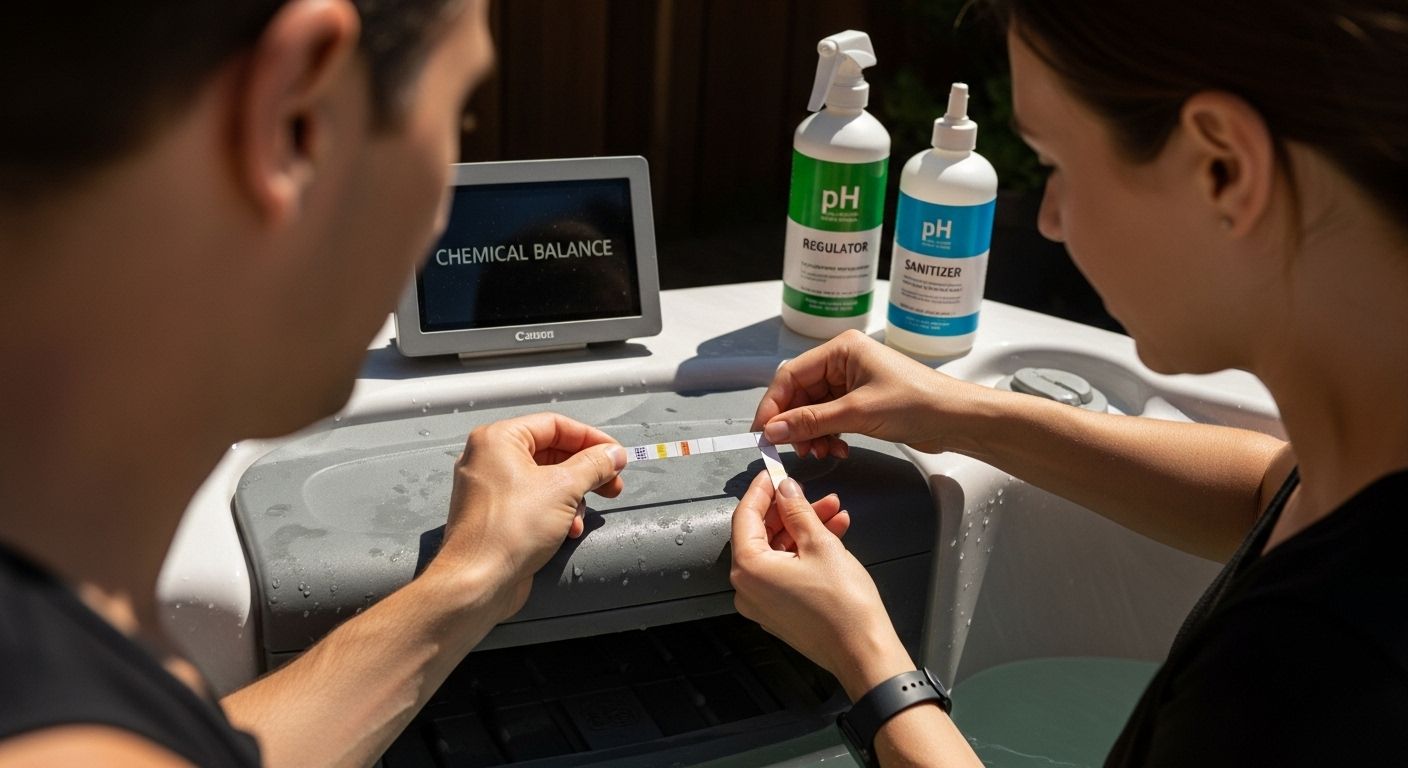
Spa balancing chemicals operate through a complex system of chemical interactions designed to maintain water quality, safety, and optimal performance. Discover advanced water treatment techniques to understand the intricate mechanisms behind effective spa maintenance.
Chemical Interaction and Water Balance
The fundamental principle of spa balancing chemicals involves creating and maintaining a precise chemical equilibrium. According to the Health and Safety Executive, effective water treatment requires a strategic approach to managing various chemical components.
Key chemical interactions include:
- Neutralising acidic and alkaline compounds
- Stabilising pH levels between 7.2 and 7.6
- Controlling mineral content and dissolved solids
- Preventing chemical precipitation and scale formation
Sanitisation and Microbial Control
Sanitising chemicals form the critical defence against harmful microorganisms in spa water. Chlorine and bromine act as primary sanitisers, breaking down and eliminating bacteria, viruses, and other potentially dangerous microbes. These chemicals work through oxidation processes, effectively destroying cellular structures of microorganisms.
The mechanism involves several stages:
- Initial contact with microorganism cell walls
- Penetration of cellular membranes
- Disruption of internal cellular processes
- Complete elimination of harmful biological agents
Additional chemical components like algaecides and enzymes provide supplementary protection, ensuring comprehensive water treatment and preventing the growth of potentially harmful organisms.
Key Types of Spa Balancing Chemicals
Spa balancing chemicals encompass a diverse range of specialised compounds designed to maintain optimal water conditions. Explore our comprehensive water balancing solutions to understand the nuanced approaches to spa water management.
Sanitisation Chemicals
Sanitisation chemicals represent the primary defence against microbial contamination in spa environments. According to the Health and Safety Executive, effective water treatment relies on maintaining consistent disinfection levels.
Key sanitisation chemicals include:
- Chlorine-based compounds
- Bromine-based treatments
- Mineral sanitisers
- Oxygen-based shock treatments
Each sanitiser offers unique advantages, with chlorine providing rapid microbial elimination and bromine offering more stable performance in higher temperature environments. Mineral sanitisers provide supplementary protection, reducing overall chemical dependency.
pH and Alkalinity Regulators
PH and alkalinity regulators are crucial for maintaining water chemistry balance. These chemicals prevent corrosion, scale formation, and ensure optimal sanitiser performance. The chemicals work by adjusting the water’s fundamental chemical properties.
Critical pH and alkalinity management chemicals include:
- pH increasers
- pH reducers
- Total alkalinity increasers
- Calcium hardness adjusters
Precise chemical balance prevents equipment damage and ensures a comfortable, safe spa experience by maintaining water within the optimal 7.2 to 7.6 pH range.
Below is a table summarising the primary types of spa balancing chemicals and their specific functions, providing a concise overview for spa owners.
| Chemical Type | Primary Function | Notable Characteristics |
|---|---|---|
| Chlorine-based sanitisers | Eliminate bacteria, viruses, and pathogens | Fast-acting, effective at lower temperatures |
| Bromine-based sanitisers | Eliminate bacteria, viruses, and pathogens | More stable at higher temperatures, less odorous |
| Mineral sanitisers | Supplement main sanitisation and reduce chemical usage | Provide extra protection, softer on skin |
| Oxygen-based treatments | Shock treatment to destroy organic contaminants | Useful for periodic intensive cleaning |
| pH increasers | Raise water pH to optimal levels | Essential when pH drops below 7.2 |
| pH reducers | Lower water pH to remain within safe range | Used to correct high pH levels above 7.8 |
| Alkalinity increasers | Stabilise pH and buffer rapid changes | Helps prevent equipment corrosion and scaling |
| Calcium hardness adjusters | Maintain correct mineral balance and prevent damage | Prevents corrosion and scaling of internal components |
The Impact of Poor Spa Water Balance
Poor spa water balance can lead to significant health risks and substantial equipment damage, making chemical maintenance a critical aspect of spa ownership. Learn more about water management strategies to prevent potential complications.
Health Risks and Microbial Contamination
According to the Health and Safety Executive, unbalanced spa water creates ideal conditions for dangerous microorganism proliferation. Inadequate chemical management can result in serious health consequences.
Potential health risks include:
- Increased vulnerability to Legionnaires’ disease
- Skin infections and dermatological complications
- Respiratory tract infections
- Transmission of waterborne pathogens
Equipment and Infrastructure Degradation
Imbalanced water chemistry wreaks havoc on spa equipment, causing accelerated deterioration and expensive repair requirements. Extreme pH levels and inappropriate chemical concentrations can trigger multiple mechanical failures.
Significant equipment damage mechanisms include:
- Corrosion of metal components and heating elements
- Degradation of rubber seals and gaskets
- Scaling and mineral buildup in pipes and jets
- Premature failure of filtration systems
The cumulative effect of poor water balance can transform a valuable leisure investment into a costly maintenance nightmare, potentially rendering the spa unusable and necessitating comprehensive system replacement.
The following table compares the consequences of poor spa water balance across personal health and equipment maintenance, clarifying the importance of diligent chemical management for spa owners.
| Consequence Area | Potential Issue | Impact Severity | Example Outcomes |
|---|---|---|---|
| Health Risks | Growth of microorganisms | High | Legionnaires’ disease, skin/respiratory infections |
| Health Risks | Waterborne pathogen transmission | Moderate to High | Increased likelihood of illness |
| Equipment Damage | Corrosion of metal parts and heating elements | High | Costly component replacements, leaks |
| Equipment Damage | Scaling and mineral buildup | Moderate | Reduced efficiency, blocked jets |
| Equipment Damage | Degradation of seals and plastic components | Moderate | Leaks, reduced lifespan of equipment |
| Equipment Damage | Premature failure of filtration systems | High | Poor water circulation, costly repairs |
Restore Spa Balance and Protect Your Investment
Are you worried about the hidden risks of unbalanced spa water, such as bacteria growth or damage to your expensive equipment? The article highlights how improper chemical management can lead to unsafe bathing conditions, increased risk of skin irritation, and costly repairs caused by scaling or corrosion. Regular issues such as maintaining correct pH levels and effective sanitisation are common frustrations for spa owners who want to enjoy a healthy, relaxing environment.
Trust ClearSpa’s range of water treatment solutions to restore harmony and safety to your hot tub. Explore our professionally crafted, thoroughly tested spa chemicals proven to tackle water imbalances before they disrupt your enjoyment. Take action now to protect both your wellbeing and your investment by visiting ClearSpa and discover top tips for balancing chemical levels in your hot tub. Experience peace of mind and elevate your bathing experience by choosing a trusted Spa Trade Group Brand today.
Frequently Asked Questions
What are spa balancing chemicals?
Spa balancing chemicals are specialised compounds used to maintain optimal water chemistry and quality in hot tubs and spas, ensuring a safe, comfortable, and hygienic bathing environment.
Why are spa balancing chemicals important?
These chemicals are crucial for health and safety protection, eliminating harmful bacteria and pathogens, as well as preserving the structural integrity of spa equipment by preventing corrosion and scale formation.
How do spa balancing chemicals work?
They maintain water quality through chemical interactions, regulating pH levels, controlling mineral content, and neutralising contaminants to prevent microbial growth and ensure safe usage.
What are the key types of spa balancing chemicals?
Key types include sanitisation chemicals (like chlorine and bromine), pH regulators, and alkalinity stabilisers, each serving specific roles in maintaining water balance and safety.