Understanding Hot Tub Relaxation: Benefits and Insights
Hot tubs relax you through three effects working together: warm water at 36-40°C dilates blood vessels and eases muscles, buoyancy supports around 90% of your body weight to unload joints, and massaging jets release tension. Clean, balanced water keeps the experience safe.
Explore hot tub relaxation, its benefits, and how it creates relaxing experiences for mind and body in this comprehensive guide.
Hot tub relaxation works because warm water at 36-38°C, buoyancy and massaging jets together lower muscle tension, ease joint load and calm the nervous system. Regular sessions bring measurable physical and mental benefits — and small touches such as spa fragrances and water enhancers can make each soak feel more like a ritual.
Sinking into a hot tub feels like pure indulgence, but there is far more happening beneath the surface. Your body weight actually drops by around 90 percent underwater, letting muscles relax in a way that simply is not possible on dry land. Most expect just warmth and comfort and maybe a bit of bubble therapy. Yet the real surprise is that regular sessions do more than ease your body. They offer proven mental health benefits and can completely reset the way your mind and body tackle stress.
Table of Contents
- What Is Hot Tub Relaxation?
- Why Hot Tub Relaxation Matters For Health And Wellbeing
- How Hot Tub Relaxation Works: The Science Behind It
- Key Concepts Of Hot Tub Relaxation And Its Effects
- Real-World Context: Hot Tub Relaxation In Today’s Lifestyle
Quick Summary
| Takeaway | Explanation |
|---|---|
| Hot tubs reduce physical stress. | Warm water immersion alleviates muscle tension and promotes relaxation by improving blood circulation. |
| Hydrotherapy enhances mental health. | Regular hot tub sessions can reduce anxiety and boost mood through neurochemical changes. |
| Hot tubs support pain management. | Consistent use can relieve chronic pain and improve joint mobility, aiding recovery and overall bodily function. |
| Create a calm environment. | Immersion in a hot tub establishes a serene setting, allowing for sensory isolation and deeper mental restoration. |
| Adapt stress response systems. | Utilising hot tubs helps retrain the body to respond more flexibly to stress through deliberate thermal conditions. |
What is Hot Tub Relaxation?
Hot tub relaxation represents a therapeutic approach to unwinding that combines warm water immersion, targeted hydrotherapy, and intentional stress reduction techniques. This holistic practice goes beyond simple water enjoyment, offering a comprehensive wellness experience that addresses both physical and mental well-being.
The Science Behind Water Therapy
Hot tub relaxation fundamentally operates through thermal and hydrostatic principles. When you immerse yourself in warm water, your body experiences physiological changes that promote profound relaxation. Our guide on water management techniques reveals how precise water temperatures between 36-40 degrees Celsius trigger specific bodily responses.[1]
The key mechanisms include:
- Muscle tension reduction through heat penetration
- Enhanced blood circulation via warm water immersion
- Natural stress hormone suppression
The combination of buoyancy and warmth creates a unique environment where physical and psychological tension can be systematically released. Your body weight decreases by approximately 90% underwater, allowing muscle groups to relax more completely than during traditional relaxation methods.
Psychological and Physical Benefits
Hot tub relaxation transcends mere physical comfort. According to research published in the International Journal of Aquatic Research and Education, consistent hydrotherapy sessions can significantly reduce anxiety symptoms and improve overall mental health.
The practice triggers multiple beneficial neurochemical responses, including:
- Increased production of endorphins
- Reduced cortisol levels
- Enhanced serotonin release
These neurological changes contribute to a sense of calm and well-being that extends beyond the immediate hot tub experience, offering lasting psychological benefits that support comprehensive stress management strategies.
Why Hot Tub Relaxation Matters for Health and Wellbeing
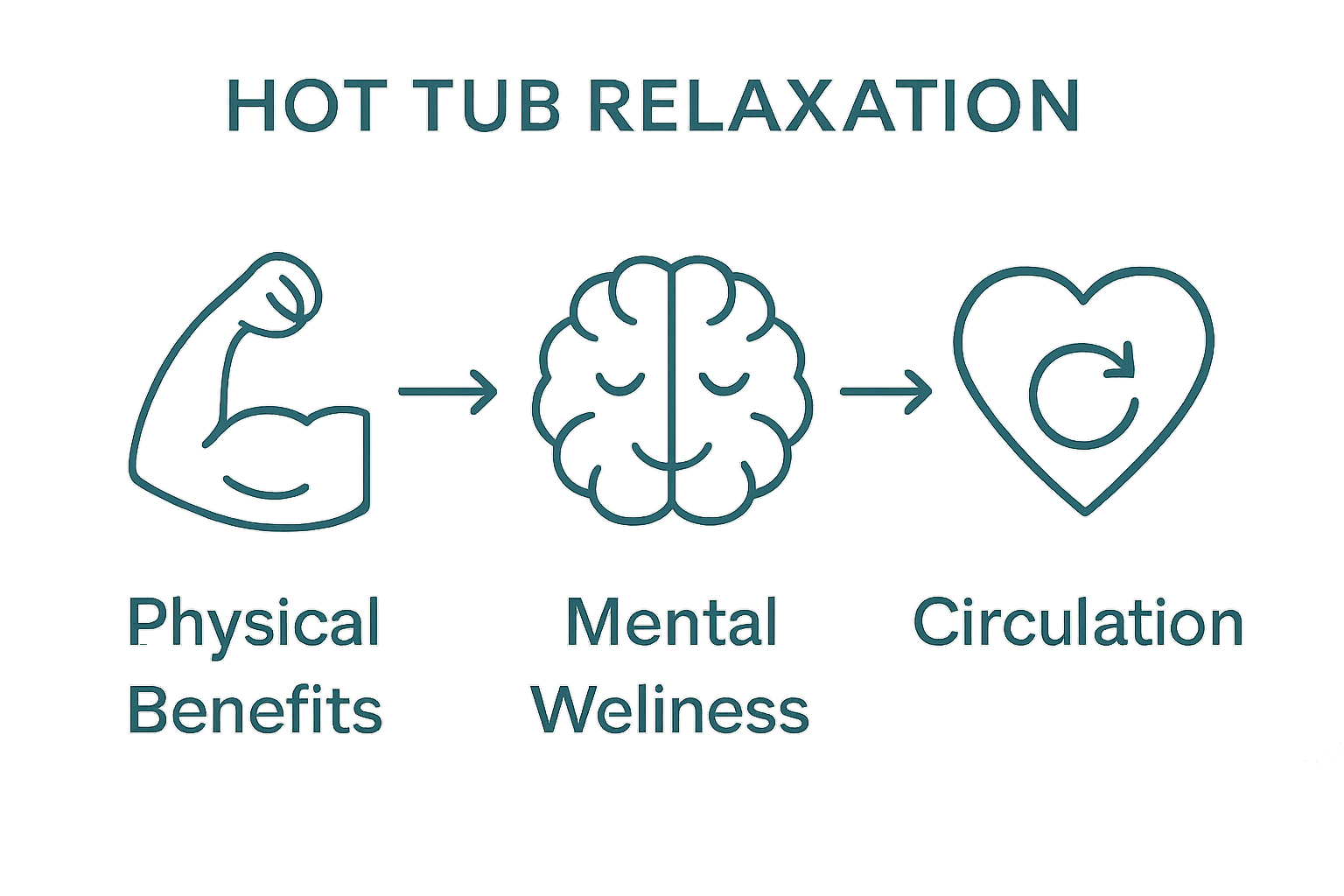
Hot tub relaxation transcends mere recreational activity. It represents a powerful holistic intervention for managing modern lifestyle stress, offering comprehensive health benefits that address both physiological and psychological wellness challenges.
Physical Health Impact
The therapeutic potential of hot tub relaxation extends far beyond momentary comfort. Explore our top hot tub accessories that can enhance these health benefits. According to research published in the Journal of Physical Therapy Science, regular hydrotherapy sessions can significantly improve multiple bodily functions.
Key physical health advantages include:
- Reduced muscle tension and chronic pain management
- Enhanced joint mobility and flexibility
- Improved cardiovascular circulation
- Natural pain relief for arthritis and muscular conditions
Warm water immersion stimulates blood flow, allowing oxygen and nutrients to reach muscle tissues more efficiently. This process accelerates natural healing mechanisms and supports overall musculoskeletal health.
Mental Wellness Transformation
Beyond physical benefits, hot tub relaxation profoundly impacts mental health. Immersion in warm water triggers complex neurochemical responses that combat stress and promote psychological equilibrium.
Psychological benefits encompass:
- Significant stress hormone reduction
- Improved sleep quality
- Enhanced mood regulation
- Natural anxiety and depression symptom management
The combination of thermal therapy, sensory isolation, and controlled environment creates a unique neurological reset mechanism. By temporarily disconnecting from external stimuli, individuals can experience deep mental restoration and emotional recalibration.
Below is a table outlining the primary physical and psychological benefits of hot tub relaxation, helping clarify how this practice supports overall wellbeing.
| Benefit Type | Specific Effect | Description |
|---|---|---|
| Physical | Muscle tension reduction | Warm water immersion relaxes muscle fibres, easing tightness and discomfort. |
| Physical | Enhanced joint mobility | Buoyancy and heat improve flexibility and movement in joints. |
| Physical | Improved blood circulation | Increased warmth supports cardiovascular activity, delivering more oxygen to the tissues. |
| Physical | Natural pain relief | Regular sessions can alleviate chronic pain and support recovery from injuries. |
| Psychological | Reduced anxiety | Hydrotherapy reduces stress hormone levels, calming the mind. |
| Psychological | Mood improvement | Endorphin and serotonin production increases, helping stabilise and uplift mood. |
| Psychological | Improved sleep quality | Relaxation before bedtime can support deeper, more restorative sleep. |
How Hot Tub Relaxation Works: The Science Behind It
Hot tub relaxation operates through intricate physiological and neurological mechanisms that transform bodily responses, creating a comprehensive wellness experience rooted in scientific principles of thermal and hydrostatic interaction.
Neurological Response Mechanisms
Learn more about our hot tub maintenance essentials that support optimal hydrotherapy environments. According to research published in the Journal of Thermal Biology, warm water immersion triggers complex neurological reactions that fundamentally alter stress perception and bodily homeostasis.
The neurological processes involve:
- Activation of the parasympathetic nervous system
- Reduction of stress hormone production
- Enhanced neurochemical balance
- Modulation of pain perception pathways
When immersed in warm water, the brain receives multiple sensory signals that interrupt typical stress response patterns. This neurological recalibration allows for a profound relaxation state that transcends simple physical comfort.
To provide a clearer understanding of the science underpinning hot tub relaxation, here is a table comparing the main neurological and physiological mechanisms involved.
| Mechanism Type | Key Process | Outcome |
|---|---|---|
| Neurological | Parasympathetic nervous system activation | Induces a state of deep relaxation |
| Neurological | Stress hormone reduction | Lowers cortisol and diminishes anxiety |
| Neurological | Enhanced neurochemical balance | Boosts endorphin and serotonin production |
| Physiological | Improved blood circulation | Promotes oxygen and nutrient delivery to muscles |
| Physiological | Muscle relaxation and tension release | Eases tightness and supports mobility |
| Physiological | Accelerated metabolic waste elimination | Assists the body in detoxification and recovery |
Physiological Transformation Principles
Hot tub relaxation fundamentally reshapes bodily functions through targeted thermal and hydrostatic interventions. The combination of warmth and water pressure creates a unique physiological environment that promotes healing and stress reduction.
Key physiological transformations include:
- Improved blood circulation and cardiovascular efficiency
- Muscle tissue relaxation and tension release
- Enhanced metabolic waste elimination
- Accelerated cellular repair mechanisms
The precise temperature range of 36-40 degrees Celsius represents a critical threshold where therapeutic benefits are maximised. This specific temperature range allows for optimal muscle relaxation while maintaining safe physiological parameters.[2]
Key Concepts of Hot Tub Relaxation and Its Effects
Hot tub relaxation represents a sophisticated wellness intervention that integrates multiple physiological and psychological mechanisms to promote holistic health and stress management through deliberate environmental and sensory manipulation.
Holistic Wellness Integration
Discover our comprehensive hot tub accessory guide to enhance your relaxation experience. According to research from the International Journal of Environmental Research and Public Health, hot tub therapy operates through interconnected wellness principles that extend beyond traditional therapeutic approaches.
Fundamental wellness integration concepts include:
- Synergistic mind-body healing mechanisms
- Deliberate neurological stress intervention
- Comprehensive sensory recalibration
- Intentional physiological reset strategies
The core philosophy behind hot tub relaxation acknowledges the intricate relationship between physical sensation, neurological processing, and emotional regulation. This approach recognises that wellness is not a linear process but a complex, interconnected system of bodily responses.
Adaptive Stress Response Systems
Hot tub relaxation functions as a sophisticated stress management technology, enabling the human body to develop more resilient adaptive mechanisms. By creating a controlled, supportive environment, individuals can systematically retrain their stress response patterns.
Key adaptive response principles encompass:
- Neuroplastic stress reconfiguration
- Autonomic nervous system rebalancing
- Enhanced emotional regulation capacity
- Improved physiological stress resilience
Through repeated exposure to controlled thermal and hydrostatic conditions, the body learns to modulate stress responses more effectively, developing a more robust and flexible approach to managing psychological and physical challenges.
Real-World Context: Hot Tub Relaxation in Today’s Lifestyle
Hot tub relaxation has transformed from a luxury indulgence to a strategic wellness intervention, seamlessly integrating into contemporary lifestyle approaches that prioritise holistic personal health and stress management techniques.
Modern Wellness Integration
Check out our hot tub maintenance essentials to support optimal relaxation environments. According to research from the BBC’s lifestyle analysis, hot tubs have become a significant wellness trend, reflecting broader societal shifts towards personalised health and self-care practices.
Key contemporary wellness trends include:
- Increased focus on preventative mental health strategies
- Rising popularity of home-based wellness interventions
- Growing recognition of holistic stress management techniques
- Emphasis on personalised health experiences
The modern approach to hot tub relaxation transcends traditional recreational perspectives. Individuals now view these experiences as proactive health investments, integrating technological understanding with sophisticated wellness philosophies.
Workplace and Personal Stress Management
Hot tub relaxation has emerged as a critical tool for managing the intensifying stress landscape of contemporary professional and personal environments. The boundaries between work and personal wellness have become increasingly blurred, creating demand for accessible, effective stress reduction methods.
Significant lifestyle adaptation strategies encompass:
- Remote working stress mitigation techniques
- Home-based wellness infrastructure development
- Personalised recovery and rejuvenation protocols
- Integrated health and leisure approaches
By providing a controlled, supportive environment for neurological and physiological reset, hot tub relaxation represents a sophisticated response to the complex stress challenges of modern lifestyles.
Elevate Your Hot Tub Relaxation with Expert Water Care
After exploring the powerful benefits of hot tub relaxation, it is clear that the path to true wellness starts with a safe and pristine bathing environment. Muscle relaxation, stress reduction and the full range of hydrotherapy benefits can only be unlocked when your hot tub water is cared for with precision. Letting water quality slip introduces hidden obstacles that compromise both your comfort and the very real health gains described in this guide. You deserve a stress-free soak that helps your mind and body reset completely.
Discover essential hot tub chemicals and water treatment solutions tailored for restorative relaxation.
Transform your wellness routine without delay. Visit ClearSpa today to find top-quality products that protect your hot tub and deliver lasting peace of mind. Enhance your home spa experience now and feel the ClearSpa difference with every session.
Frequently Asked Questions
What are the main benefits of hot tub relaxation?
Hot tub relaxation offers numerous benefits, including reduced muscle tension, enhanced blood circulation, improved joint mobility, and significant mental wellness improvements, such as reduced anxiety and improved mood regulation.
How does hot tub relaxation work scientifically?
Hot tub relaxation works through thermal and hydrostatic principles, where warm water immersion leads to physiological changes that promote relaxation. These include muscle relaxation, improved blood flow, and positive neurochemical responses in the brain.
What temperature range is optimal for hot tub relaxation?
The optimal temperature range for hot tub relaxation is between 36-40 degrees Celsius. This range maximises therapeutic benefits while keeping the body within safe physiological parameters.
Can hot tub relaxation assist with chronic pain management?
Yes, regular hot tub relaxation can aid in chronic pain management by reducing muscle tension, relieving arthritis symptoms, enhancing joint mobility, and stimulating natural pain relief mechanisms through improved circulation.
Recommended
- 7 Top Hot Tub Accessories for Ultimate Relaxation - ClearSpa™
- How Hot Are Hot Tubs? Understanding Temperature and Comfort - ClearSpa™
- hot tub chemicals - ClearSpa™
Sources and review
Reviewed on . Next review due .