Understanding Spa Water Care: A Comprehensive Guide
Explore our spa water care guide for a complete understanding of maintaining clean and healthy spa water for your enjoyment.
Clear, inviting spa water is not just about the look. There is real science working behind the scenes to keep hot tubs safe and relaxing. But not many people realise that without proper care, spa water can quickly harbour dangerous bacteria such as Legionella pneumophila and turn your peaceful soak into a serious health risk. The twist is that careful spa water care can not only prevent infections but also transform maintenance into a simple routine that protects both well-being and enjoyment every single time you take a dip.
Table of Contents
- What Is Spa Water Care And Why Is It Important?
- The Science Behind Spa Water Chemistry
- Key Components Of Effective Spa Water Treatment
- Common Spa Water Issues And Their Solutions
- Maintaining Long-Term Spa Water Quality
Quick Summary
| Takeaway | Explanation |
|---|---|
| Maintain pH between 7.2 and 7.6 | Monitoring pH levels ensures optimal comfort and prevents skin irritation for spa users. |
| Regularly test and treat water | Consistent testing and chemical treatments are essential to eliminate harmful microorganisms and ensure health safety. |
| Implement thorough cleaning protocols | Regular cleaning reduces the risk of bacterial growth and enhances overall spa hygiene for a better user experience. |
| Monitor total alkalinity (80-120 ppm) | Keeping alkalinity within this range stabilises pH levels, contributing to effective spa maintenance. |
| Adhere to safety regulations | Following established health and safety protocols helps mitigate risks associated with inadequate water management in spas. |
What is Spa Water Care and Why is it Important?
Spa water care represents a critical process of maintaining optimal water quality and safety in hot tubs, spas, and similar aquatic recreational environments. At its core, this practice involves managing chemical balance, sanitisation, and overall water hygiene to ensure a safe and enjoyable experience for users.
Understanding the Fundamentals of Water Chemistry
Proper spa water care requires a comprehensive approach to water management. Water chemistry is not merely about adding chemicals, but creating a balanced ecosystem that prevents bacterial growth, protects equipment, and maintains user comfort. Learn more about water management essentials, spa owners must monitor several key parameters
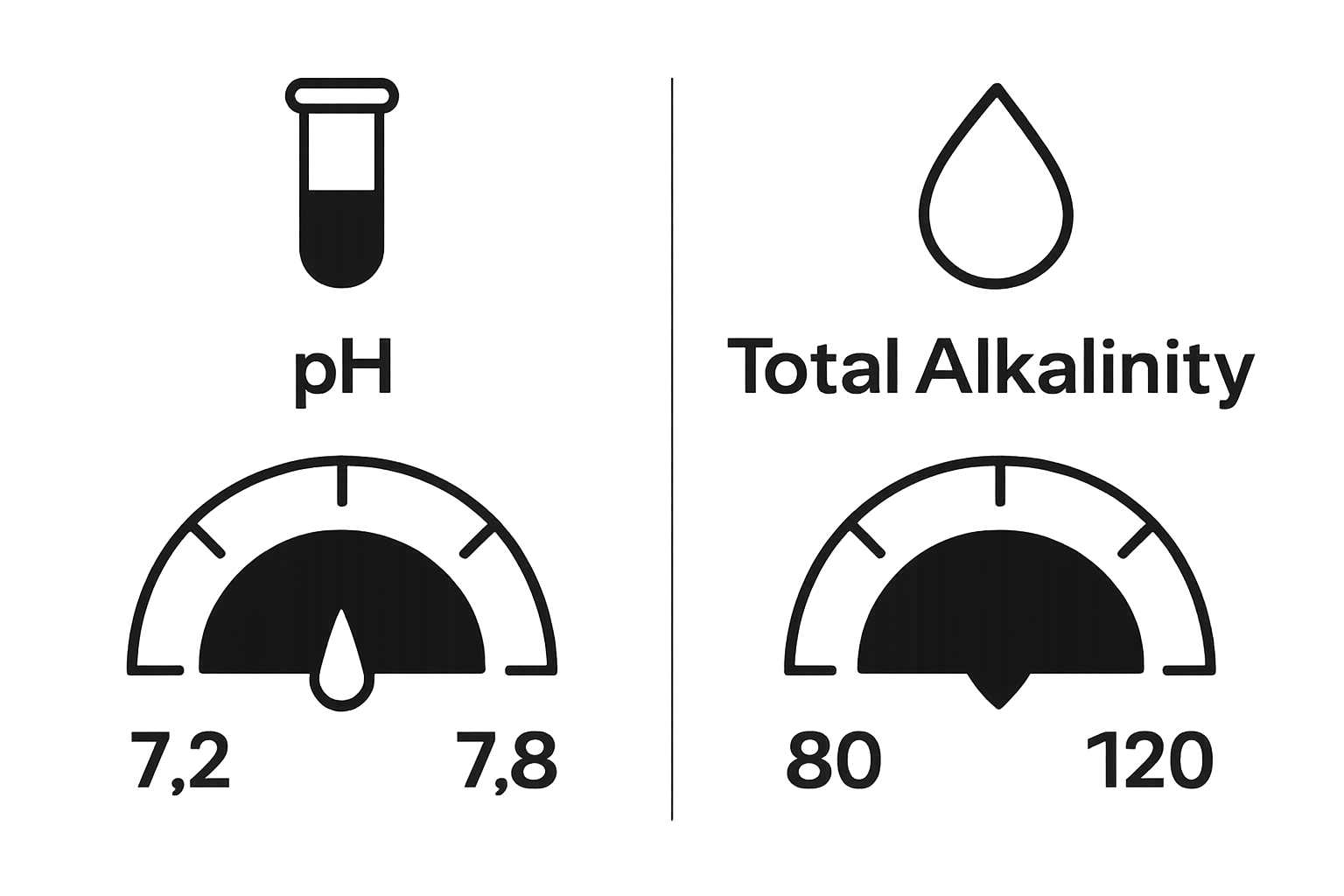 :
:
- pH levels (ideal range between 7.2 and 7.6)
- Total alkalinity (80-120 parts per million)
- Sanitiser concentration (chlorine or bromine)
Health and Safety Considerations
According to the Health and Safety Executive, spa water systems can potentially harbour dangerous microorganisms like Legionella pneumophila if not properly maintained. Regular water testing, chemical treatments, and thorough cleaning protocols are essential to mitigate health risks. Poor water management can lead to skin infections, respiratory issues, and transmission of waterborne diseases.
Ultimately, spa water care is about creating a safe, clean, and comfortable environment. By understanding water chemistry, implementing consistent maintenance routines, and prioritising user health, spa owners can transform their hot tub experience from a potential health hazard into a relaxing and rejuvenating retreat.
To aid understanding of spa water chemistry essentials, the following table summarises the main parameters to monitor and their importance.
| Parameter | Ideal Range/Specification | Purpose/Reason |
|---|---|---|
| pH Level | 7.2 - 7.6 | Maintains comfort, prevents skin irritation and equipment damage |
| Total Alkalinity | 80 - 120 ppm | Stabilises pH, supports chemical balance |
| Sanitiser Concentration | As specified (chlorine/bromine) | Kills harmful microorganisms, ensures water hygiene |
| Water Temperature | Manufacturer recommendation | Proper temperature supports sanitiser effectiveness |
| Regular Cleaning | As per protocol | Reduces bacterial growth and contamination risk |
The Science Behind Spa Water Chemistry
Spa water chemistry is a sophisticated interplay of chemical interactions that determines water quality, safety, and user experience. Understanding these intricate processes requires comprehensive knowledge of how different chemical components interact and influence each other within a confined aquatic environment.
Chemical Balance and Interaction Dynamics
Water chemistry is fundamentally about maintaining precise equilibrium between various chemical components. The primary goal is creating an environment that remains stable, sanitised, and comfortable for users. Key chemical interactions involve pH regulation, alkalinity management, and sanitiser effectiveness. Explore our comprehensive water management insights to understand these complex interactions.
Chemical components in spa water interact through several critical mechanisms:
- Ion exchange processes
- Oxidation and reduction reactions
- pH buffering systems
- Mineral precipitation and dissolution
Microbial Control and Water Safety
According to research from the UK Health Security Agency, water chemistry plays a crucial role in controlling microbial growth. The delicate balance of chemical concentrations directly impacts the ability to neutralise harmful microorganisms. Temperature, organic matter, and chemical concentration all influence the efficacy of microbial control strategies.
The scientific principles underlying spa water chemistry demonstrate that maintaining water quality is a dynamic process requiring continuous monitoring, precise chemical management, and a deep understanding of environmental interactions.
Key Components of Effective Spa Water Treatment
Effective spa water treatment encompasses a holistic approach that integrates multiple scientific and practical strategies to maintain water quality, safety, and user comfort. This complex process requires systematic management of chemical, biological, and physical parameters to create an optimal aquatic environment.
Chemical Treatment and Sanitisation
Chemical treatment forms the cornerstone of spa water management. The primary objective is to eliminate harmful microorganisms while maintaining a balanced chemical environment. Discover our comprehensive maintenance strategies for achieving optimal water quality.
Key chemical treatment components include:
- Sanitisers such as chlorine or bromine to eliminate bacteria
- pH balancers to maintain optimal water chemistry
- Shock treatments to oxidise organic contaminants
- Algaecides to prevent microorganism growth
Regulatory Compliance and Safety Protocols
According to the Health and Safety Executive, effective spa water treatment requires rigorous adherence to established safety protocols. Comprehensive water management involves continuous monitoring of chemical concentrations, regular testing, and implementing preventative measures against potential health risks.
Successful spa water treatment transcends mere chemical application. It represents a sophisticated integration of scientific knowledge, precise technical implementation, and proactive maintenance strategies designed to protect user health and enhance the overall spa experience.
Common Spa Water Issues and Their Solutions
Spa water management presents numerous challenges that require sophisticated diagnostic and remedial approaches. Understanding these potential issues is crucial for maintaining a safe, hygienic, and enjoyable spa environment. Proactive identification and resolution of water quality problems can prevent more significant complications and ensure user safety.
Chemical Imbalance and Water Quality Challenges
Chemical imbalances represent one of the most prevalent issues in spa water maintenance. These problems can manifest through various symptoms that compromise water quality and user experience. Explore our comprehensive troubleshooting guide to understand these challenges in depth.
Common chemical imbalance indicators include:
- Unusual water odour
- Skin irritation after spa use
- Cloudy or discoloured water
- Unexplained scaling on spa surfaces
- Persistent foam formation
Health and Safety Risks in Water Management
According to the UK Health Security Agency, water management involves critical health considerations. Microbial contamination poses significant risks, with potential transmission of harmful pathogens occurring through inadequate water treatment.
Effective spa water management requires a comprehensive approach that combines scientific understanding, regular monitoring, and rapid intervention to address emerging water quality challenges. By recognising early warning signs and implementing targeted solutions, spa owners can maintain a safe and enjoyable aquatic environment.
The following table compares some of the most common spa water issues and their associated symptoms, supporting quick identification and resolution.
| Spa Water Issue | Common Symptoms | Potential Cause |
|---|---|---|
| Chemical Imbalance | Cloudy water, skin irritation | Incorrect pH or alkalinity levels |
| Microbial Contamination | Unusual odours, skin infections | Inadequate sanitisation or cleaning |
| Scaling | Chalky deposits on surfaces | High calcium hardness |
| Foam Formation | Persistent foam on water surface | Excess organic contaminants |
| Water Discolouration | Unpleasant colour changes | Contaminants or metal content |
Maintaining Long-term Spa Water Quality
Long-term spa water quality represents a sophisticated challenge that demands consistent, systematic approaches to water management. Achieving sustained water excellence requires more than periodic treatments, instead necessitating a comprehensive, scientifically informed strategy that addresses multiple interconnected factors.
Systematic Water Quality Management
Successful long-term water maintenance involves establishing robust monitoring and intervention protocols. Explore our detailed maintenance strategies to develop a comprehensive water care approach. Preventative management is significantly more effective than reactive interventions, focusing on continuous assessment and proactive treatment.
Key components of systematic water quality management include:
- Regular chemical composition testing
- Comprehensive filtration system maintenance
- Consistent water circulation and treatment
- Periodic equipment inspection and calibration
- Documentation of water quality parameters
Regulatory Compliance and Health Standards
According to the Health and Safety Executive, maintaining long-term spa water quality requires rigorous adherence to established health and safety protocols. Water safety plans must incorporate detailed risk assessments, monitoring strategies, and corrective action frameworks to prevent potential health risks associated with inadequate water management.
Ultimately, maintaining exceptional spa water quality is a dynamic process that combines scientific knowledge, technological monitoring, and consistent professional intervention. By implementing comprehensive, proactive strategies, spa owners can ensure a safe, hygienic, and enjoyable aquatic environment that meets the highest standards of water quality and user safety.
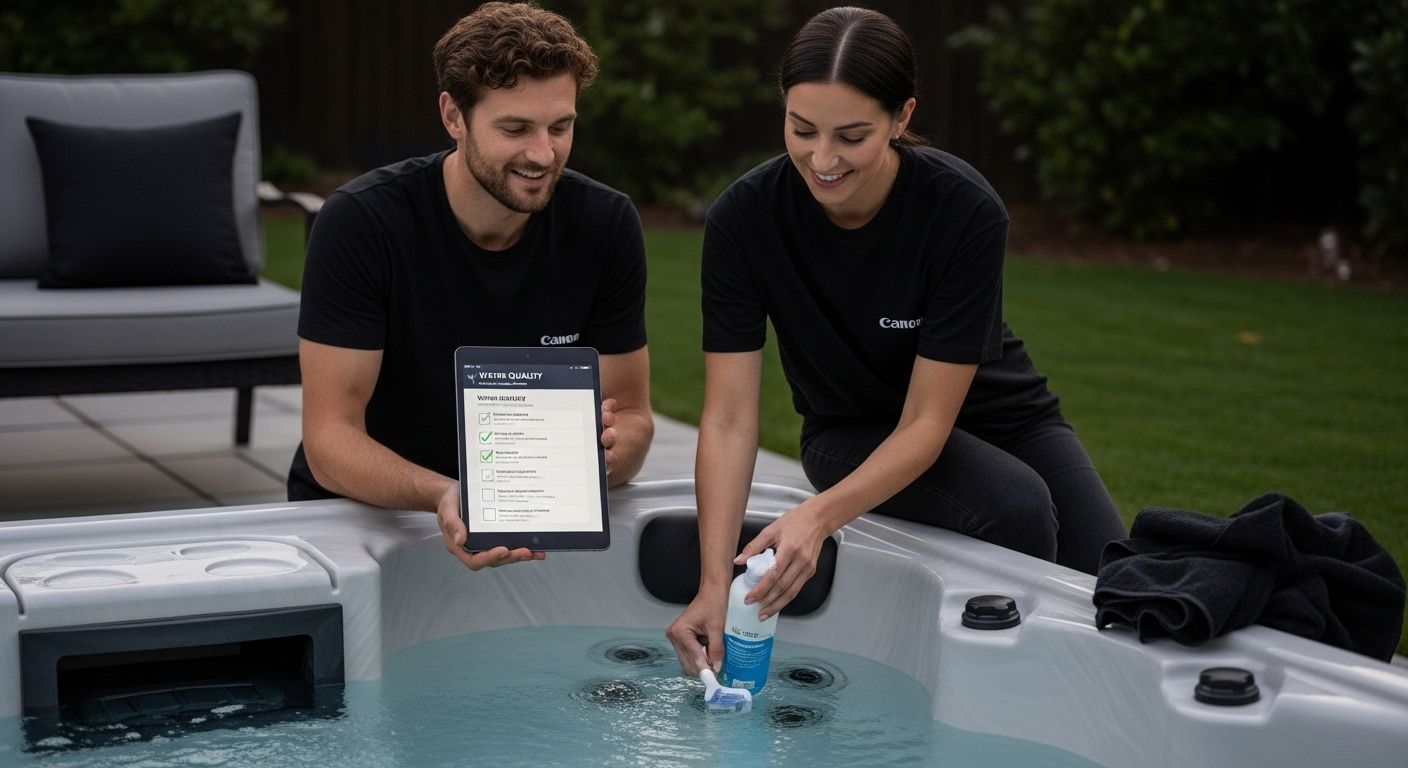
Take the Uncertainty Out of Spa Water Care with ClearSpa
If you are finding it challenging to maintain that perfect balance in your spa water, you are not alone. Many spa owners struggle with chemical imbalances, unclear water and worries about hidden bacteria. As explained in our guide, consistent water management is essential for health, safety and comfort. Yet identifying issues and finding the right solutions can feel overwhelming. You deserve water that is as inviting as it is safe.
Discover the confidence that comes with expertly managed water by exploring ClearSpa’s trusted products today. Our selection includes rigorously tested hot tub chemicals and spa essentials, all designed to simplify water chemistry and eliminate guesswork. Make your spa experience enjoyable and risk-free. For proven tips and a hassle-free solution, visit ClearSpa now. Do not let another day go by with water quality doubts. Take charge of your spa environment and transform your hot tub into the relaxing retreat you deserve.
Frequently Asked Questions
What is spa water care?
Spa water care is the process of maintaining optimal water quality and safety in hot tubs and spas by managing chemical balance, sanitisation, and overall water hygiene.
Why is it important to maintain proper water chemistry in spas?
Maintaining proper water chemistry is essential to prevent harmful microbial growth, protect spa equipment, and ensure user comfort and safety.
What are the key parameters to monitor in spa water management?
Key parameters include pH levels (ideally between 7.2 and 7.6), total alkalinity (80-120 parts per million), and sanitiser concentration (such as chlorine or bromine).
How can I identify chemical imbalances in my spa water?
Signs of chemical imbalances include unusual water odours, skin irritation, cloudy or discoloured water, scaling on surfaces, and persistent foam formation.