7 Essential Seasonal Hot Tub Care Tips for UK Homes
Learn 7 seasonal hot tub care tips to keep your spa in top condition all year. Practical advice for UK homeowners to maintain clean and safe hot tubs.
Did you know that improper hot tub maintenance can increase waterborne illness risk by up to 60 percent? Many hot tub owners in the UK overlook shifting chemical needs as the seasons change. With fluctuating temperatures and changing usage patterns, keeping your hot tub water balanced is more than just routine - it keeps your spa inviting and your family safe. Dive into seasonal water care strategies backed by expert guidance and start enjoying crystal-clear water all year.
Table of Contents
- 1. Test and Balance Water Regularly by Season
- 2. Adjust Sanitiser Levels for Changing Temperatures
- 3. Clean and Replace Hot Tub Filters Every Season
- 4. Winterise Your Hot Tub for Colder Months
- 5. Spring Start-Up Checklist for Hot Tubs
- 6. Prevent Algae and Bacteria Growth in Summer
- 7. Cover and Protect Your Hot Tub During Autumn
Quick Summary
| Takeaway | Explanation |
|---|---|
| 1. Test water regularly by season | Conduct water quality tests at least twice daily, adjusting frequency with seasonal changes to prevent bacterial growth. |
| 2. Adjust sanitiser levels for temperature changes | Increase sanitiser frequency in summer and decrease in winter; monitor levels based on usage and temperature. |
| 3. Clean and replace filters every season | Rinse filters weekly and deep clean monthly; change cartridge filters every 12-18 months to ensure water quality. |
| 4. Properly winterise your hot tub | Drain, clean, and protect your hot tub to prevent freeze damage during colder months, ensuring it remains in good condition. |
| 5. Cover your hot tub in autumn | Use solid lockable covers to protect against debris and moisture; regularly inspect and maintain cover for best performance. |
1. Test and Balance Water Regularly by Season
Maintaining the perfect chemical balance in your hot tub is not just about comfort it is a critical safety measure. According to research from Devon and Somerset Trading Standards, regular water testing is essential, with experts recommending checking water quality at least twice daily.
The seasonal changes in the UK can significantly impact your hot tub water chemistry. During winter, reduced water circulation and lower temperatures create ideal conditions for bacterial growth. During summer, increased usage and higher temperatures accelerate chemical depletion.
To keep your hot tub safe and inviting, you will want to focus on two key parameters: free chlorine levels and pH balance. Proper disinfection prevents harmful bacteria like Legionella from developing. The Chartered Institute of Plumbing and Heating Engineering emphasises that correct maintenance routines dramatically reduce health risks.
Here are practical steps for seasonal water testing:
- Winter: Test water every 2-3 days, maintaining chlorine between 3-5 parts per million
- Spring/Autumn: Test water twice weekly, adjusting chemicals as temperature fluctuates
- Summer: Test water daily, especially after heavy use
Invest in reliable water test strips to make monitoring simple. Quick, accurate testing ensures your hot tub remains a safe, enjoyable retreat throughout the year.
2. Adjust Sanitiser Levels for Changing Temperatures
Your hot tub’s sanitiser levels are not a set and forget situation. As temperatures shift throughout the UK seasons your water chemistry requires careful attention and strategic adjustments.
The Chartered Institute of Plumbing and Heating Engineering emphasises that disinfection strategies must evolve with environmental changes. During warmer months bacterial growth accelerates while colder periods require different chemical management approaches.
According to Devon and Somerset Trading Standards guidance recommended sanitiser levels vary by temperature and usage. In summer when hot tub usage increases you will want free chlorine between 3 5 parts per million. During winter lower temperatures require slightly different chemical concentrations to maintain water safety.
Key seasonal sanitiser adjustment strategies include:
- Summer: Increase sanitiser frequency due to higher bacterial growth potential
- Winter: Reduce chemical concentration but maintain consistent testing
- Spring/Autumn: Monitor and adjust based on temperature fluctuations
Understanding the power of chlorine helps you protect your hot tub investment and ensure a safe soaking experience throughout the year. Regular monitoring prevents potential health risks and maintains your spa water in pristine condition.
3. Clean and Replace Hot Tub Filters Every Season
Your hot tub filter is the unsung hero of water quality and hygiene. Just like an air filter in your home protects your lungs these hardworking components trap debris and prevent harmful contaminants from circulating in your spa water.
Research from the Chartered Institute of Plumbing and Heating Engineering highlights that proper filtration is critical for preventing bacterial growth and maintaining safe water conditions. The Devon and Somerset Trading Standards emphasise that regular filter maintenance directly impacts hot tub safety and user health.
Seasonal changes in the UK mean your filter works overtime. During summer when pollen and outdoor debris are abundant your filter needs more frequent attention. Winter brings different challenges with reduced water movement and potential mineral buildup.
Here are practical filter maintenance guidelines:
- Rinse filters weekly with fresh water
- Deep clean filters monthly using filter cleaner granules
- Replace cartridge filters every 12 to 18 months
- Inspect filters for wear and tear during seasonal transitions
Think of filter maintenance as a health investment. A clean filter means clearer water less strain on your hot tub equipment and a significantly reduced risk of waterborne health issues. Regular care ensures your relaxation space remains a sanctuary of cleanliness and comfort.
4. Winterise Your Hot Tub for Colder Months
When the British winter arrives your hot tub requires special attention. Protecting your investment from freezing temperatures and potential damage means understanding the nuanced process of winterisation.
According to Devon and Somerset Trading Standards research proper winterisation is not optional but a critical safety requirement. The Chartered Institute of Plumbing and Heating Engineering emphasises that incorrect winter maintenance can lead to significant equipment damage and potential health risks.
Winterising your hot tub involves more than simply covering it up. You need a strategic approach that prevents water damage protects mechanical components and maintains system integrity during months of reduced use.
Key winterisation steps include:
- Thoroughly drain all water from pipes and equipment
- Clean and sanitise the entire system before shutdown
- Remove and store filters in a dry warm location
- Use non toxic antifreeze specifically designed for hot tubs
- Secure a high quality weatherproof cover
For comprehensive guidance on preparing your hot tub for the coldest months, check out our winterisation guide. Proper preparation means you will be ready to enjoy your spa when warmer weather returns without facing unexpected repair costs.
5. Spring Start-Up Checklist for Hot Tubs
As winter retreats and spring blossoms emerge its time to awaken your hot tub from its seasonal slumber. Restarting your spa requires more than simply filling it with water and pressing a button.
Research from Devon and Somerset Trading Standards highlights that recommissioning a hot tub involves a comprehensive process to guarantee water safety. The Chartered Institute of Plumbing and Heating Engineering emphasises the critical nature of proper maintenance to prevent potential bacterial risks.
Spring start up is your opportunity to reset your hot tub systems completely. This means thorough cleaning comprehensive water treatment and meticulous equipment inspection to ensure optimal performance throughout the warmer months.
Critical spring start up steps include:
- Professionally clean and inspect all internal components
- Replace filters with fresh cartridges
- Completely drain and refill with fresh water
- Shock dose the water with sanitiser
- Test and balance chemical levels meticulously
For a comprehensive approach to reviving your hot tub, review our maintenance checklist. By following these guidelines you will transform your hot tub from a winter dormant system to a sparkling sanctuary ready for relaxation.
6. Prevent Algae and Bacteria Growth in Summer
Summer transforms your hot tub from a relaxing retreat into a potential breeding ground for unwelcome microscopic guests. Warm temperatures combined with increased usage create perfect conditions for algae and bacterial proliferation.
The Chartered Institute of Plumbing and Heating Engineering warns that stagnant water can quickly become a health hazard. Research from Devon and Somerset Trading Standards emphasises that proactive maintenance is your primary defence against waterborne pathogens like Legionella.
Summer hot tub care requires a strategic approach to water chemistry and hygiene. Higher temperatures accelerate chemical breakdown and provide ideal conditions for microbial growth. This means you will need to be more vigilant about water treatment and circulation.
Key strategies for preventing bacterial growth include:
- Test water chemistry twice weekly
- Shock treat water weekly with appropriate sanitisers
- Run jets for 15 minutes daily to prevent stagnation
- Keep water surface clear of organic debris
- Maintain recommended chlorine levels between 3 5 parts per million
Understanding chlorine dioxide effectiveness can provide an additional layer of protection against stubborn microorganisms. By implementing these practices you will transform your hot tub into a safe sanctuary of summer relaxation.
7. Cover and Protect Your Hot Tub During Autumn
As autumn leaves start to fall your hot tub becomes vulnerable to debris environmental challenges and potential damage. A robust protection strategy is your best defence against seasonal wear and potential performance issues.
The Royal Life Saving Society emphasises the critical importance of using solid lockable covers to prevent accidents and maintain water quality. Energy Saving Trust research further highlights that a high quality cover significantly reduces energy consumption during cooler months.
Autumn presents unique challenges for hot tub owners. Falling leaves wind driven debris and increasing moisture levels can compromise your spa’s cleanliness and mechanical integrity. Proactive protection becomes your primary strategy for preserving your investment.
Essential autumn hot tub cover protection steps include:
- Clean and inspect cover for any existing damage
- Ensure cover fits snugly and has working locks
- Remove leaves and organic debris from cover surface regularly
- Check cover seals for potential water infiltration
- Store cover on a clean elevated surface when not in use
For comprehensive insights into maintaining your hot tub cover, explore our guide on hot tub cover care. A well maintained cover not only protects your hot tub but also extends its operational life through the challenging autumn season.
Below is a comprehensive table summarising the key strategies and maintenance steps for hot tubs throughout the year discussed in the article.
| Topic | Key Actions | Benefits/Outcomes |
|---|---|---|
| Test and Balance Water | Test water quality regularly, adjust chlorine and pH based on seasons | Safe water, reduced health risks |
| Adjust Sanitiser Levels | Modify sanitiser use based on temperature and usage | Maintained water safety, preventing bacterial growth |
| Clean and Replace Filters | Rinse weekly, deep clean monthly, replace annually | Clear water, equipment longevity |
| Winterise Hot Tub | Drain water, clean, use antifreeze, secure cover | Protects from freezing, reduces repair costs |
| Spring Start-Up | Clean components, replace filters, shock treat water | Restores optimal performance, prepares for use |
| Prevent Growth in Summer | Regular testing, shock treatments, run jets | Prevents pathogen growth, maintains hygiene |
| Cover and Protect in Autumn | Inspect and clean cover, secure it properly | Protects from debris, reduces energy use |
Keep Your Hot Tub Spotless and Safe All Year Round with ClearSpa
Seasonal hot tub care can feel overwhelming when facing challenges like fluctuating chlorine levels, filter maintenance, and protecting your spa during winter months. These key concerns mean you need reliable, easy-to-use products to maintain perfect water balance and safeguard your investment. ClearSpa offers expertly formulated hot tub chemicals and treatment essentials designed to tackle these exact issues so your spa stays inviting and hygienic through every season.
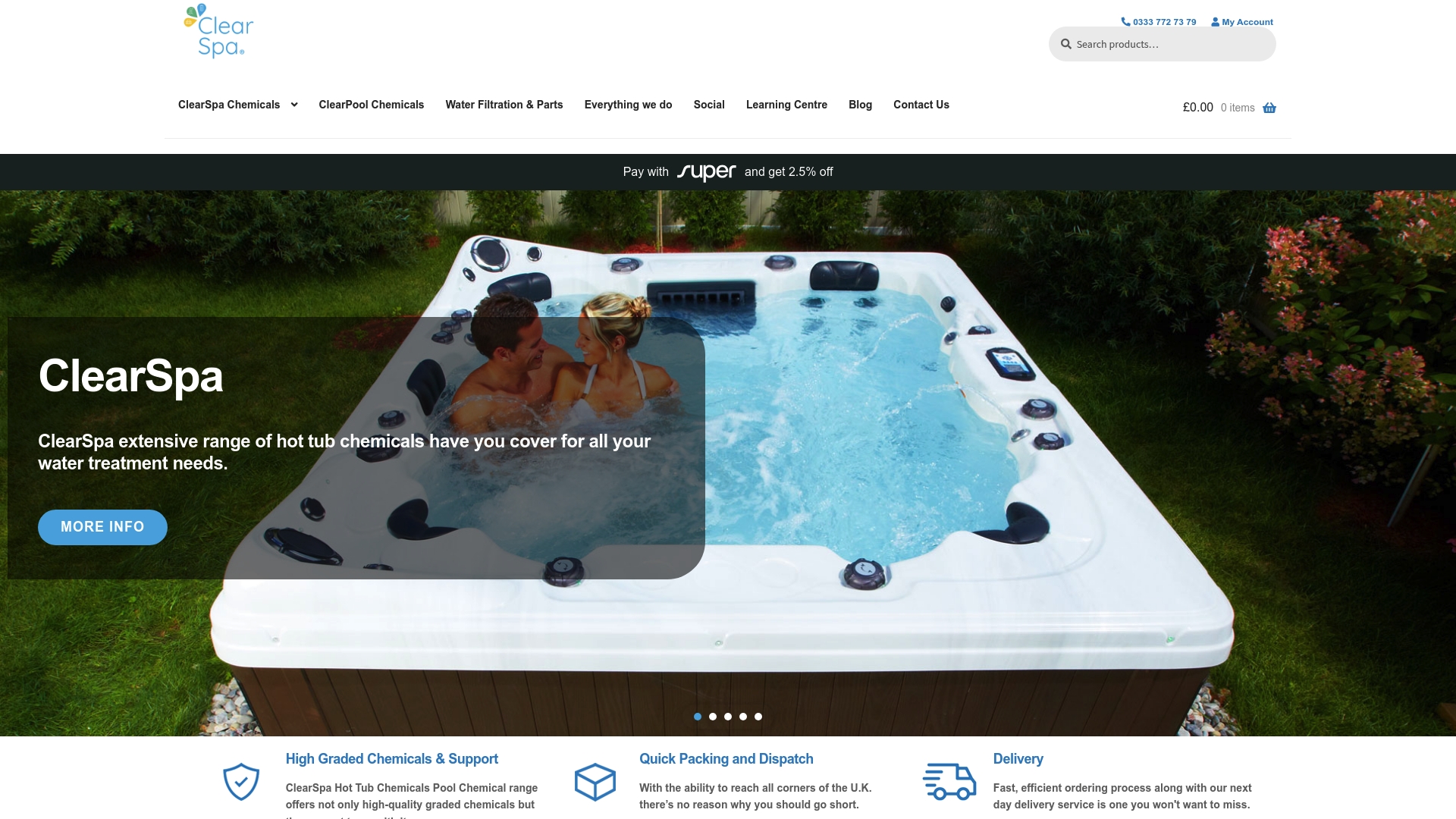
Don’t let seasonal changes compromise your relaxation time. With ClearSpa’s trusted range at your fingertips, you can test, balance, sanitise, and winterise your hot tub with confidence. Explore our full selection of water treatment solutions today at ClearSpa and take the next step towards a sparkling, safe spa that is ready when you are. Start your year-round care routine now and enjoy worry-free soaking all seasons long.
Frequently Asked Questions
How often should I test my hot tub water in winter?
You should test your hot tub water every 2-3 days during winter. This ensures free chlorine levels remain between 3-5 parts per million to combat bacterial growth effectively.
What should I do to prepare my hot tub for the summer season?
To prepare your hot tub for summer, perform a thorough cleaning and replace the filters with fresh cartridges. Also, shock dose the water with sanitiser and test the chemical levels to ensure they are balanced for warmer temperatures.
How do I prevent algae and bacteria growth in my hot tub during summer?
Prevent algae and bacteria growth by testing your water chemistry twice weekly and shock treating the water weekly. Additionally, run the jets for at least 15 minutes daily to keep the water circulating and clear of debris.
What are the key steps for winterising my hot tub?
To winterise your hot tub, drain all water from pipes and equipment, clean and sanitise the system, and remove the filters for storage. Finally, use non-toxic antifreeze designed for hot tubs to prevent freezing and secure a weatherproof cover.
How frequently should I clean and replace my hot tub filters?
You should rinse your hot tub filters weekly with fresh water and deep clean them monthly. Replace the cartridge filters every 12 to 18 months to maintain optimal water quality and prevent strain on the equipment.
What maintenance is necessary for my hot tub cover during autumn?
During autumn, regularly inspect and clean your hot tub cover for damage, ensuring it fits snugly and has working locks. Also, remove any falling leaves and debris from the cover to maintain water quality and protect the spa from unwanted contaminants.