Benefits of Water Testing - Healthier Hot Tub Enjoyment
Benefits of water testing for hot tubs in the UK, including clarity, safety, cost savings, and legal compliance. Essential for optimal spa care.
Most british hot tub owners are surprised to learn that water quality issues are the main reason behind more than half of spa equipment failures in the United Kingdom. Keeping your hot tub safe and sparkling clear can feel confusing, especially when water chemistry and hidden bacteria are at stake. This guide breaks down water testing essentials every british spa owner needs to protect their investment and, more importantly, enjoy a healthy and worry-free soak.
Table of Contents
- Water Testing Explained For Hot Tubs
- Key Types Of Water Tests And Methods
- Protecting Health: Preventing Spa Water Hazards
- Optimising Water Clarity And Chemical Balance
- Avoiding Costly Damage And Legal Issues
Key Takeaways
| Point | Details |
|---|---|
| Regular Testing is Essential | Conduct water tests at least twice weekly to maintain safety and hygiene in hot tubs. Additional tests should follow heavy usage or multiple users. |
| Understanding Chemical Balance | Key parameters like pH, alkalinity, and sanitiser levels must be monitored to prevent bacterial growth and equipment damage. |
| Comprehensive Health Protection | Implement rigorous cleaning and maintenance routines to minimise risks from harmful bacteria such as Legionella. |
| Legal Compliance is Crucial | Maintain accurate records and ensure adherence to safety standards to avoid financial penalties and legal issues. |
Water Testing Explained for Hot Tubs
Maintaining crystal clear and safe hot tub water requires a systematic approach to water testing. Regular water quality assessment helps prevent bacterial growth and ensures a hygienic spa experience. The Chartered Institute of Plumbing and Heating Engineering recommends thorough water testing to mitigate potential health risks associated with poor water maintenance.
Water testing involves examining multiple chemical parameters that indicate water balance and safety. Key measurements include pH levels, chlorine or bromine concentration, alkalinity, and calcium hardness. These metrics help prevent issues like bacterial proliferation, skin irritation, and equipment damage. Precise water chemistry requires using reliable testing strips or digital testing kits that provide accurate readings across these critical parameters.
Implementing a consistent testing routine is crucial for hot tub owners. Health and Safety Executive guidance emphasises regular monitoring to control risks of infectious agents like Legionella. Professionals recommend testing water at least twice weekly, with additional checks after heavy usage or when multiple people use the hot tub. Keeping a detailed log of test results helps track water quality trends and ensures timely interventions.
Successful water testing involves more than just measuring chemical levels. Understanding how different factors interact is essential. Temperature, bather load, environmental conditions, and chemical treatments all influence water quality. By developing a comprehensive approach to water management, hot tub owners can create a safe, enjoyable, and hygienic spa environment that protects both equipment and user health.
Key Types of Water Tests and Methods
Proper hot tub water testing requires a comprehensive approach involving multiple test types and methodologies. East Renfrewshire Council recommends conducting detailed water quality assessments that encompass several critical parameters to ensure safe and hygienic spa environments. Chemical water tests form the foundational analysis for maintaining optimal water conditions.
The primary water test categories include chemical balance tests, microbiological screenings, and physical parameter evaluations. Chemical tests measure essential factors like pH levels, total alkalinity, calcium hardness, and sanitiser concentrations. These tests help prevent potential issues such as bacterial growth, equipment corrosion, and skin irritation. Digital testing strips and electronic testing devices provide quick and accurate readings across multiple chemical parameters.
Cornwall Council’s microbiological sampling services highlight the importance of comprehensive water testing, which includes screening for specific bacterial populations. Advanced testing protocols involve checking for total viable colony counts, coliforms, E. coli, Pseudomonas, and Legionella. Professionals recommend conducting these specialised tests periodically to ensure complete water safety and prevent potential health risks.
Successful water testing extends beyond simple measurement techniques. Hot tub owners must develop a systematic approach that combines regular chemical testing, periodic microbiological screening, and meticulous record-keeping. Understanding the interactions between various water parameters and maintaining consistent testing schedules are crucial for creating a safe, enjoyable hot tub experience that protects both equipment and user health.
Protecting Health: Preventing Spa Water Hazards
The Chartered Institute of Plumbing and Heating Engineering highlights critical health risks associated with poorly maintained hot tub water, particularly the potential for bacterial proliferation. Bacterial contamination represents a significant threat to user health, with certain pathogens capable of causing serious respiratory and skin infections. Understanding these risks is fundamental to creating a safe spa environment that protects users from potential waterborne health hazards.
Legionella bacteria pose one of the most serious risks in hot tub environments. These microorganisms thrive in warm water temperatures between 20-45 degrees Celsius, making hot tubs an ideal breeding ground. Symptoms of Legionnaires’ disease can include severe pneumonia, high fever, and respiratory complications. Proper water management involves implementing rigorous cleaning protocols, maintaining appropriate chemical balance, and regularly monitoring water quality to prevent bacterial growth.
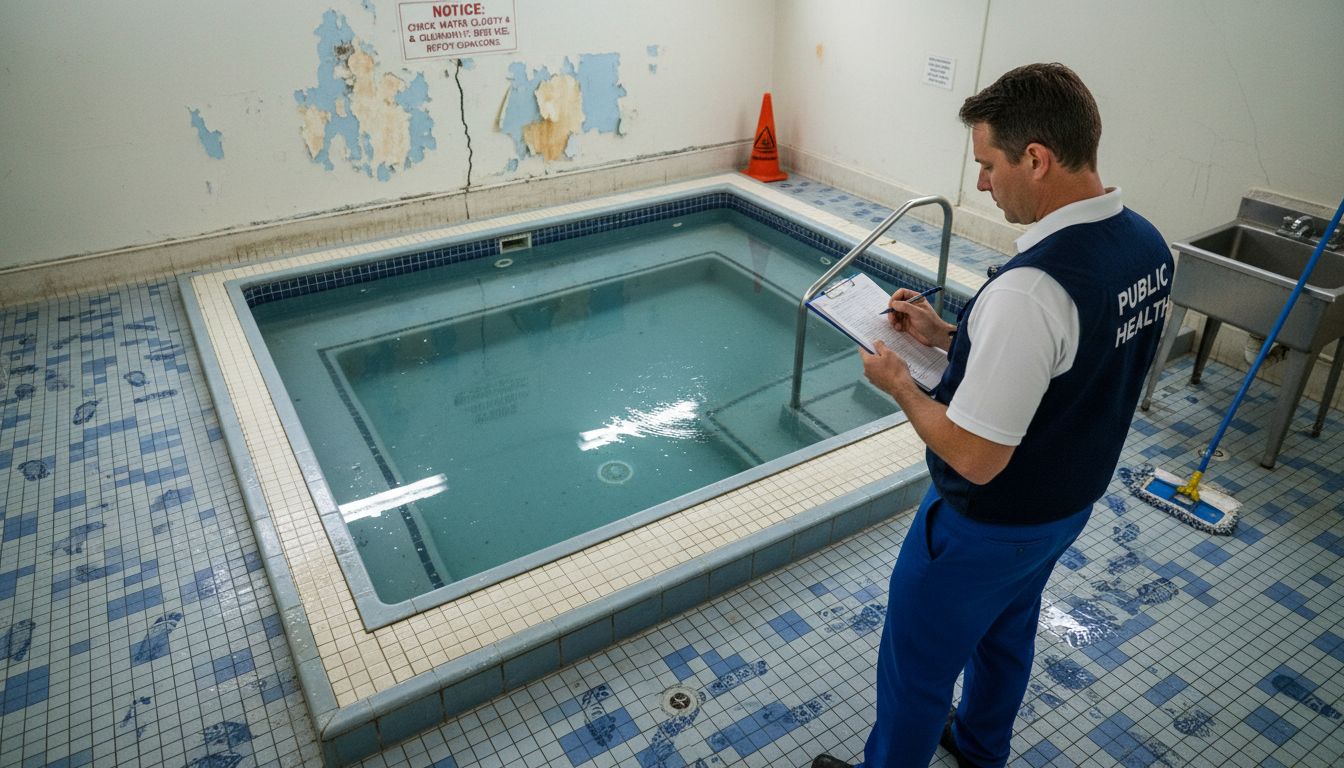
The Health and Safety Executive provides comprehensive guidance on controlling infectious agents in spa pool systems. Their recommendations include conducting thorough risk assessments, implementing strict maintenance regimes, and performing regular water quality tests. Hot tub owners should focus on critical prevention strategies such as maintaining proper sanitiser levels, controlling water temperature, ensuring adequate circulation, and conducting frequent deep cleaning procedures.
Protecting health requires a multifaceted approach that combines scientific understanding with consistent practical maintenance. This means developing a comprehensive water management plan that addresses chemical balance, bacterial control, and user safety. Regular professional inspections, meticulous record-keeping, and staying informed about best practices are essential components of responsible hot tub ownership that prioritises user health and wellbeing.
Optimising Water Clarity and Chemical Balance
Devon and Somerset Trading Standards Service recommends rigorous water quality management through systematic testing and precise chemical control. Water clarity is not merely an aesthetic concern but a critical health and maintenance priority for hot tub owners. Achieving optimal water balance requires understanding the intricate relationship between various chemical parameters and their impact on water quality.
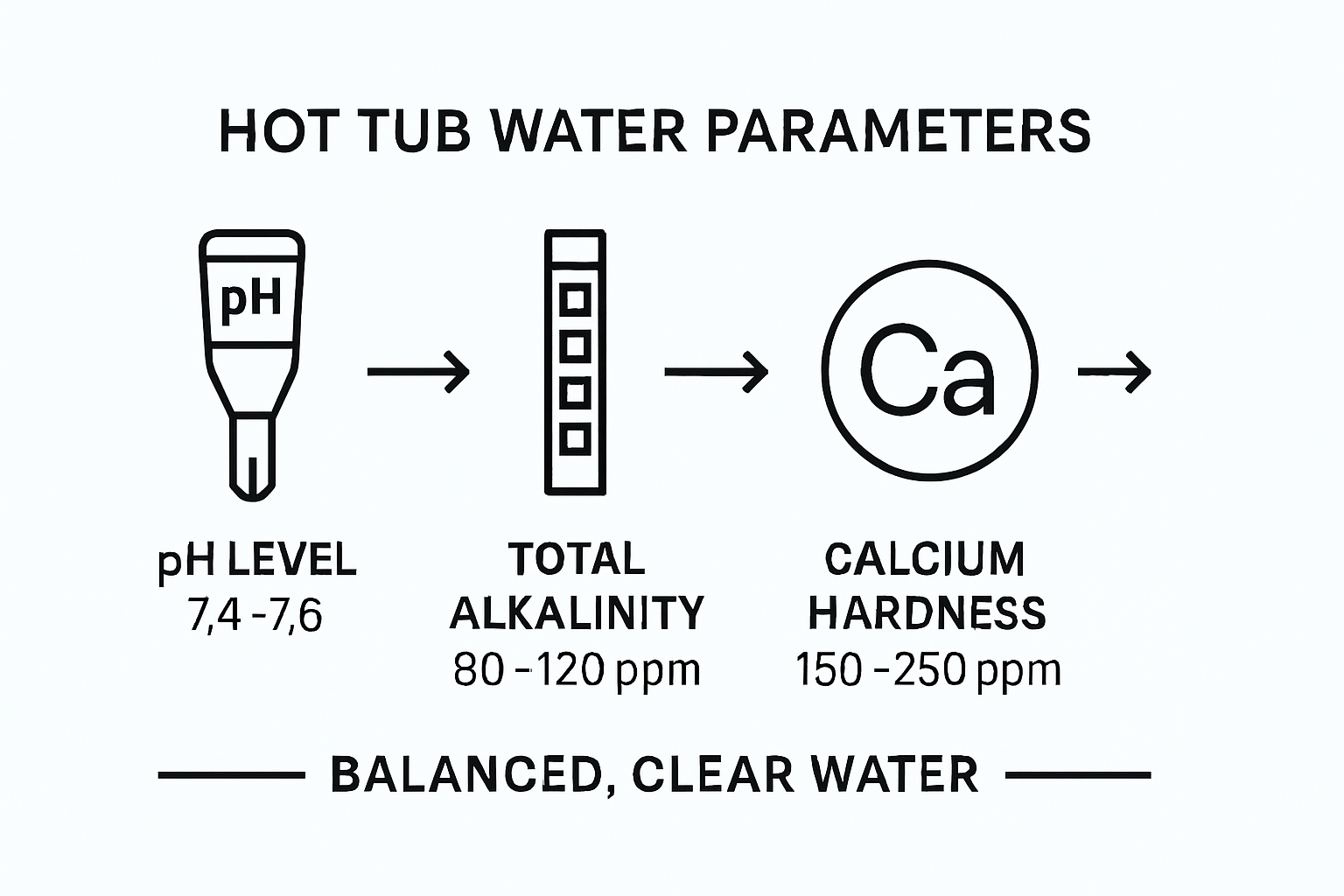
The key chemical parameters essential for maintaining pristine hot tub water include pH levels, total alkalinity, calcium hardness, and sanitiser concentration. pH levels between 7.2 and 7.6 create an environment that maximises sanitiser effectiveness while preventing equipment corrosion. Total alkalinity acts as a buffer, stabilising pH and preventing sudden chemical fluctuations that can compromise water quality and user comfort.
Proper sanitiser management is crucial for eliminating harmful microorganisms and maintaining crystal-clear water. Chlorine and bromine are the most common sanitisers, with recommended concentrations of 3-5 parts per million for chlorine and 4-6 for bromine. East Renfrewshire Council emphasises the importance of consistent monitoring and detailed record-keeping to ensure ongoing water quality and safety. Hot tub owners should develop a systematic approach that includes regular testing, precise chemical adjustments, and thorough documentation of water treatment activities.
Successful water clarity management requires a holistic approach that combines scientific understanding with practical maintenance techniques. This involves not only maintaining correct chemical levels but also addressing external factors like bather load, environmental conditions, and filtration efficiency. By implementing a comprehensive water management strategy, hot tub owners can create a consistently clean, safe, and inviting spa environment that promotes both user enjoyment and long-term equipment performance.
Avoiding Costly Damage and Legal Issues
Devon and Somerset Trading Standards Service provides critical guidance on legal requirements surrounding hot tub maintenance and safety. Compliance management represents a crucial aspect of hot tub ownership that extends far beyond simple water treatment. Failing to adhere to safety standards can result in significant financial penalties, potential legal action, and compromised user health.
The financial implications of poor hot tub maintenance can be substantial. Equipment damage caused by improper chemical balance or neglected maintenance can lead to expensive repairs or complete system replacement. Corrosion of heating elements, pump mechanisms, and filtration systems can occur rapidly when water chemistry is not carefully managed. Regular professional inspections and comprehensive maintenance protocols help prevent these costly mechanical failures and extend the overall lifespan of expensive hot tub equipment.
The UK Government’s product safety alerts highlight the critical nature of equipment monitoring, particularly regarding potential safety risks. Legal responsibilities for hot tub owners include maintaining accurate maintenance records, ensuring equipment meets safety standards, and proactively addressing potential hazards. Commercial operators face additional regulatory scrutiny, with potential fines for non-compliance ranging from hundreds to thousands of pounds.
Effective risk management requires a multifaceted approach that combines thorough documentation, regular professional assessments, and a commitment to ongoing education about safety protocols. Hot tub owners must stay informed about evolving safety regulations, manufacturer recommendations, and best practices in water treatment. By developing a comprehensive and proactive maintenance strategy, individuals can protect themselves from potential legal challenges, minimise financial risks, and ensure a safe, enjoyable hot tub experience for all users.
Maintain Healthier Hot Tub Water with Expert Solutions from ClearSpa
The article highlights the crucial challenge of maintaining balanced and safe water through regular testing to prevent bacterial growth and costly damage. You understand the importance of monitoring pH levels, sanitiser concentrations, and chemical balance to ensure a clean and enjoyable hot tub experience. Avoiding risks like Legionella contamination and equipment corrosion depends on consistent water quality management.
ClearSpa offers a comprehensive range of trusted water treatment products designed specifically to meet these challenges. Our selection includes high-quality hot tub chemicals and essential spa care items that help you maintain crystal clear water and protect user health. With products crafted to support precise chemical adjustments and regular maintenance, ClearSpa makes it straightforward to keep your water safe and inviting.
Enhance your hot tub journey today by visiting ClearSpa for premium water treatment solutions that match your needs.
Take control of your hot tub’s water quality with ClearSpa’s reliable products and expert guidance. Start protecting your health and investment now with ClearSpa’s range. Don’t wait until problems arise - ensure a healthier, safer spa environment today.
Frequently Asked Questions
What are the benefits of regular water testing for hot tubs?
Regular water testing ensures proper chemical balance, prevents bacterial growth, and protects user health, creating a safe and enjoyable spa experience.
How often should I test my hot tub water?
It is recommended to test your hot tub water at least twice a week, with additional checks after heavy usage or when multiple people use the tub.
What parameters should I monitor when testing hot tub water?
Key parameters to monitor include pH levels, sanitiser concentration (chlorine or bromine), total alkalinity, and calcium hardness to maintain optimal water quality.
How can water testing prevent costly damage to my hot tub?
Consistent water testing helps identify and correct imbalances before they lead to equipment damage, such as corrosion of components, expensive repairs, or complete system replacements.