Spa Maintenance Schedule - Protecting Hot Tub Longevity
Spa maintenance schedule: Protect water quality, extend hot tub lifespan, prevent costly repairs. Learn essential steps, timings and UK safety standards.
Most british spa owners are surprised to learn that poorly maintained hot tubs can increase the risk of waterborne illnesses by over 60 percent. Protecting the health of your family or guests and avoiding expensive repairs starts with understanding why structured maintenance schedules are so important. Whether you own a private spa or manage a busy hospitality venue, this guide uncovers the essentials of creating a safe, reliable hot tub environment through proven maintenance routines.
Table of Contents
- Role Of Spa Maintenance Schedules Explained
- Types Of Hot Tub Maintenance Tasks
- Frequency And Timing Of Key Spa Care
- Impact Of Neglected Maintenance On Health
- Legal Responsibilities And Safety Requirements In The UK
Key Takeaways
| Point | Details |
|---|---|
| Importance of Maintenance | A well-structured maintenance schedule is essential for protecting spa functionality and ensuring user safety against health risks. |
| Frequency of Care | Different maintenance tasks should be performed daily, weekly, monthly, and quarterly to maintain water quality and equipment performance effectively. |
| Health Risks of Neglect | Neglecting spa maintenance can lead to serious health risks due to bacterial growth, impacting user safety. |
| Legal Responsibilities | Spa owners must comply with UK health and safety regulations to maintain public health standards and prevent legal repercussions. |
Role Of Spa Maintenance Schedules Explained
Maintaining a hot tub requires more than occasional cleaning - it demands a strategic, systematic approach. A well-structured maintenance schedule serves as your primary defence against potential equipment deterioration and water quality issues. By establishing consistent care protocols, you protect not just your spa’s functionality, but also ensure a safe, hygienic environment for users.
Professional maintenance schedules are scientifically designed to address critical aspects of spa management. Health and safety regulations emphasise the importance of structured maintenance procedures to prevent equipment failure and mitigate potential hazards. These schedules typically encompass water chemistry testing, filter cleaning, surface inspection, mechanical system checks, and sanitisation protocols. Regular maintenance helps identify potential issues before they escalate, ultimately extending your hot tub’s operational lifespan and preserving its performance.
The core components of an effective spa maintenance schedule include routine water testing, chemical balancing, filter maintenance, and comprehensive equipment inspections. Water chemistry requires weekly monitoring to maintain appropriate pH levels, sanitiser concentrations, and total alkalinity. Filters should be cleaned monthly and replaced annually to ensure optimal water filtration. Mechanical components like pumps, heaters, and jets need quarterly professional inspections to detect early signs of wear or potential malfunction. By adhering to these systematic maintenance protocols, spa owners can significantly reduce unexpected repair costs and ensure consistent, high-quality spa experiences.
Pro Maintenance Tip: Create a dedicated maintenance logbook to track all spa care activities, chemical treatments, and equipment inspections, enabling you to maintain a comprehensive record of your hot tub’s health and performance.
Types Of Hot Tub Maintenance Tasks
Hot tub maintenance encompasses a comprehensive range of tasks designed to preserve water quality, equipment functionality, and user safety. These maintenance activities are critical for ensuring your spa remains a hygienic, enjoyable, and long-lasting investment. Understanding the various maintenance tasks helps owners take proactive steps in protecting their hot tub’s performance and longevity.
Hot tub safety guidelines require a systematic approach to maintenance that addresses multiple critical aspects. The primary maintenance tasks can be categorised into several key areas:
-
Water Chemistry Management
- Weekly pH and alkalinity testing
- Monthly sanitiser level checks
- Quarterly comprehensive water analysis
-
Equipment Inspection
- Monthly filter cleaning and assessment
- Quarterly pump and jet functionality checks
- Annual mechanical system comprehensive review
-
Surface and Structural Maintenance
- Weekly surface cleaning
- Monthly deep cleaning of shell and waterline
- Periodic inspection of shell integrity
Each maintenance task plays a crucial role in preventing potential issues. Water chemistry management prevents bacterial growth and ensures safe bathing conditions. Equipment inspections help identify wear and potential mechanical failures before they become expensive repairs. Surface maintenance protects the hot tub’s aesthetic appeal and structural integrity, preventing long-term damage from chemical imbalances or physical degradation.
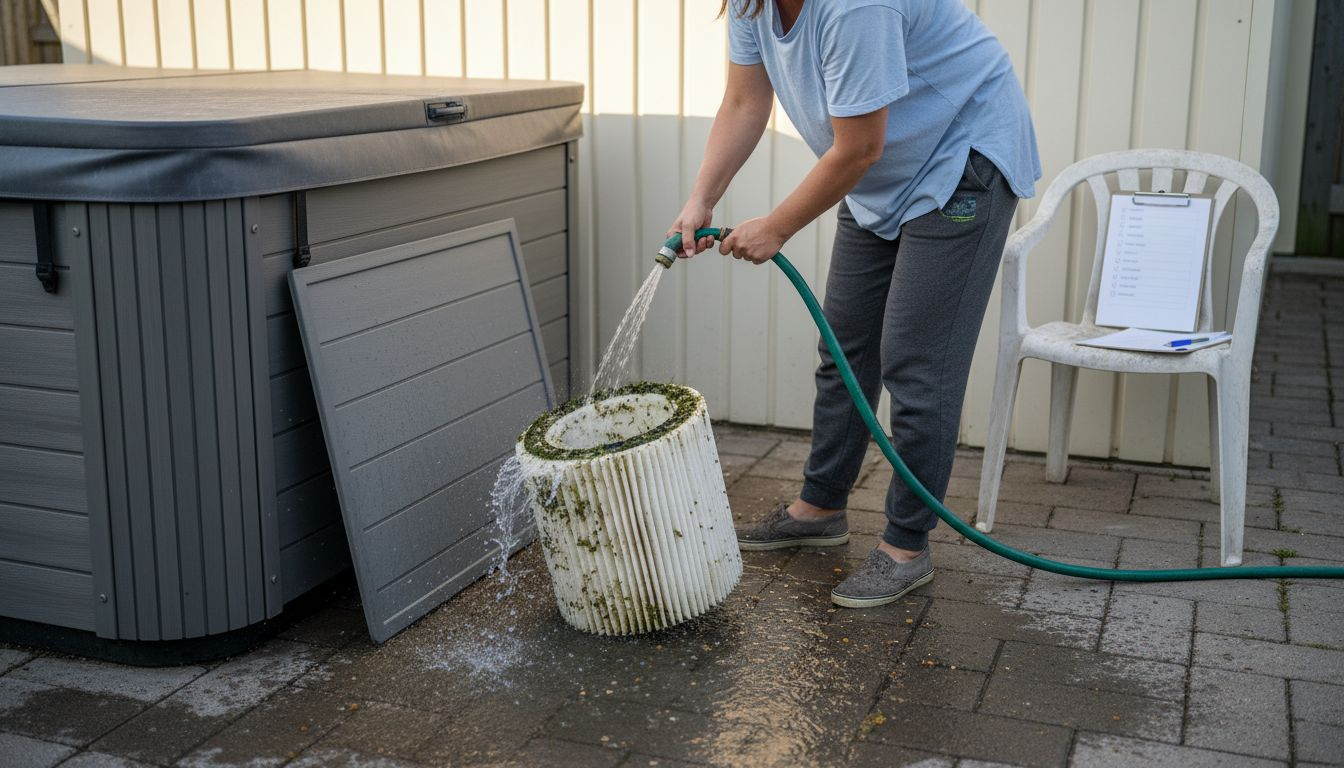
Pro Maintenance Tip: Create a laminated maintenance checklist and display it near your hot tub, helping you track and consistently perform all necessary maintenance tasks throughout the year.
Frequency And Timing Of Key Spa Care
Effective spa maintenance relies on a precisely timed approach that balances routine tasks with comprehensive care strategies. Different maintenance activities require varying frequencies, ranging from daily quick checks to annual in-depth assessments. Understanding these timing nuances helps hot tub owners protect their investment and maintain optimal water quality and equipment performance.
Health and safety guidelines recommend structured maintenance intervals that ensure consistent spa care. These maintenance frequencies can be categorised into distinct time frames:
Daily Maintenance Tasks
- Water level check
- Surface skimming
- Visual equipment inspection
- Basic water chemistry testing
Weekly Maintenance Tasks
- Comprehensive water chemistry analysis
- Filter rinse
- Waterline and shell surface cleaning
- Chemical balance adjustment
Monthly Maintenance Tasks
- Deep filter cleaning
- Detailed equipment functionality check
- Inspect and clean spa cover
- Lubricate moving mechanical parts
Quarterly Maintenance Tasks
- Professional mechanical system inspection
- Comprehensive water quality assessment
- Calibrate and test sensors and controls
- Evaluate overall spa system performance
The timing of these maintenance tasks is not arbitrary but scientifically designed to prevent potential issues before they escalate. Consistent, timely interventions can significantly extend your hot tub’s operational life, maintain water hygiene, and prevent costly repairs. Each maintenance interval serves a specific purpose in preserving your spa’s functionality and ensuring a safe, enjoyable user experience.
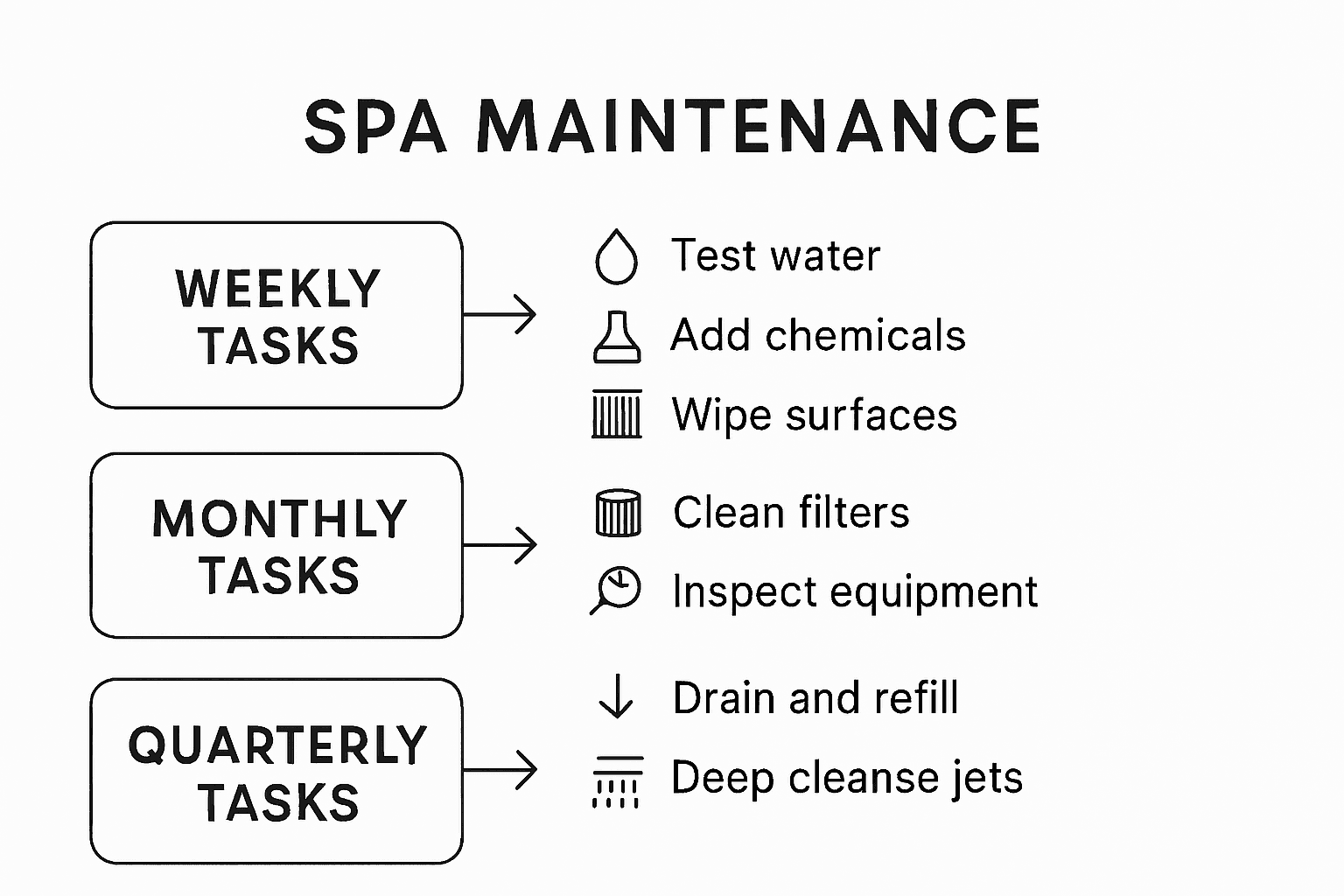
Pro Maintenance Tip: Create a digital or physical maintenance calendar with colour-coded tasks and reminders to help you consistently track and perform all necessary spa care activities throughout the year.
Impact Of Neglected Maintenance On Health
Neglecting hot tub maintenance is not merely a matter of equipment deterioration but a serious health risk that can compromise user safety. Poorly maintained spa environments create ideal breeding grounds for dangerous microorganisms, potentially exposing users to significant health complications that extend far beyond simple equipment wear.
Health and safety guidelines underscore the critical risks associated with inadequate spa maintenance, particularly concerning bacterial proliferation. The most significant health threats include:
Bacterial Risks
- Legionella Bacteria: Causes potentially fatal Legionnaires’ disease
- Pseudomonas Aeruginosa: Responsible for skin and ear infections
- E. Coli: Can trigger severe gastrointestinal complications
- Mycobacterium: Potentially causing respiratory infections
Specific Health Consequences
- Respiratory tract infections
- Skin rashes and dermatological conditions
- Urinary tract infections
- Potential immune system complications
- Risk of systemic bacterial infections
The human body is particularly vulnerable in warm, humid environments like improperly maintained hot tubs. Bacterial colonies can multiply exponentially in stagnant water with unbalanced chemical compositions, transforming what should be a relaxing experience into a potential health hazard. Water chemistry, filtration efficiency, and regular sanitisation are not optional luxuries but essential protective measures against these invisible threats.
To help visualise how neglected maintenance impacts both spa performance and user safety, consider the following summary:
| Neglected Area | Consequences for Spa | Health Risks for Users |
|---|---|---|
| Water Chemistry | Corrosion, cloudy water | Bacterial infections |
| Filter Maintenance | Reduced filtration, blockages | Increased exposure to pathogens |
| Mechanical Components | Equipment failure, leaks | Interrupted safe usage |
| Surface Cleaning | Staining, material decay | Skin irritations, rashes |
Pro Maintenance Tip: Invest in a reliable water testing kit and perform comprehensive chemical balance checks at least weekly, treating your hot tub water with the same rigorous health standards you would apply to drinking water.
Legal Responsibilities And Safety Requirements In The UK
Navigating the legal landscape of hot tub ownership in the United Kingdom involves understanding a complex web of safety regulations and statutory obligations. Spa and hot tub owners must comply with multiple legal frameworks designed to protect public health, ensure user safety, and maintain high standards of operational hygiene.
Health and safety guidelines mandate comprehensive risk assessment and maintenance protocols for hot tub operators across various settings. The primary legal responsibilities encompass several critical areas:
Key Legal Obligations
- Conduct thorough risk assessments
- Implement systematic maintenance procedures
- Maintain detailed operational records
- Ensure water quality meets health standards
- Provide appropriate user safety information
Regulatory Compliance Requirements
- Control of Substances Hazardous to Health (COSHH) Regulations
- Health and Safety at Work Act
- Management of Health and Safety at Work Regulations
- Reporting of Injuries, Diseases and Dangerous Occurrences Regulations (RIDDOR)
- Public Health legislation
Business owners, hospitality providers, and private spa operators must demonstrate a proactive approach to safety. This involves not just meeting minimum legal standards but creating a comprehensive safety culture that prioritises user health. Failure to comply can result in significant legal penalties, including substantial fines, potential prosecution, and civil liability for health-related incidents.
Here is a table summarising which UK legal regulations apply to hot tub ownership and what each requires:
| Regulation Name | Applies To | Core Requirement |
|---|---|---|
| COSHH Regulations | All spa operators | Control chemical exposure |
| Health & Safety at Work Act | Employers and businesses | Ensure safe environment |
| Management of H&S at Work Regs | All workplaces | Implement risk assessments |
| RIDDOR | Businesses and hospitality | Report serious health incidents |
| Public Health Legislation | Private and public hot tubs | Maintain hygiene and standards |
Pro Maintenance Tip: Create a comprehensive compliance folder documenting all maintenance activities, risk assessments, and safety protocols, ensuring you have a clear audit trail demonstrating your commitment to legal and safety requirements.
Keep Your Hot Tub Healthy and Sparkling with ClearSpa
Maintaining a precise spa maintenance schedule is essential to avoid costly repairs and protect your hot tub from bacterial risks and equipment failure highlighted in the article. Key challenges such as balancing water chemistry, regular filter cleaning, and equipment inspections demand reliable, high-quality products you can trust. ClearSpa offers exactly that with our premium range of hot tub chemicals, sanitising essentials, and spa care tools designed to help you safeguard the longevity and performance of your spa.
Take control of your spa care today by exploring ClearSpa’s water treatment solutions. Our proven products make maintaining water hygiene, chemical balance, and spa equipment easier, keeping your hot tub safe, enjoyable and compliant with legal safety requirements. Don’t let neglected maintenance put your health at risk or shorten your spa’s lifespan. Visit ClearSpa now and give your hot tub the dedicated care it deserves.
Frequently Asked Questions
How often should I test the water chemistry in my hot tub?
Weekly testing of water chemistry is crucial to maintain appropriate pH levels, sanitiser concentrations, and total alkalinity for safe and enjoyable spa use.
What are the key components of a hot tub maintenance schedule?
A comprehensive maintenance schedule includes routine water testing, chemical balancing, filter maintenance, and thorough inspections of mechanical components to ensure optimal performance and longevity.
What happens if I neglect hot tub maintenance?
Neglecting maintenance can lead to equipment failure, poor water quality, and health risks from bacterial growth, which can compromise not only the spa’s functionality but also user safety.
How can I keep track of my hot tub maintenance activities?
Creating a dedicated maintenance logbook or calendar to track all care activities, chemical treatments, and inspections will help ensure that you stay on top of your spa’s health and performance.