Role of Pool Brushes - Key to Sparkling Hot Tubs
Role of pool brushes in hot tub care explained. Learn types, cleaning benefits, and expert tips for effective and safe maintenance of your spa or pool.
Most British hot tub owners underestimate how quickly algae and grime can build up on pool surfaces, risking costly repairs down the line. Maintaining a sparkling hot tub requires more than a quick wipe with standard tools. Understanding the unique benefits of specialized pool brushes means you can tackle dirt, protect your investment, and keep your water healthy for everyone in your home. This guide reveals how the right cleaning approach gives British homeowners a safer, cleaner hot tub all year round.
Table of Contents
- What Is a Pool Brush and How It Works
- Types of Pool Brushes and Best Uses
- Advantages of Regular Pool Brushing
- Choosing and Using the Right Pool Brush
- Common Brushing Mistakes to Avoid
Key Takeaways
| Point | Details |
|---|---|
| Importance of Pool Brush | A pool brush is essential for maintaining cleanliness and preventing surface damage in pools and hot tubs. Regular brushing is crucial to enhance water quality and hygiene. |
| Types of Pool Brushes | Different brushes (Nylon, Stainless Steel, Combination) cater to specific surface types, ensuring effective cleaning without damage. Selecting the right brush is vital for maintaining surface integrity. |
| Brushing Techniques | Consistent brushing techniques, such as starting at the waterline and using overlapping strokes, maximise cleaning efficiency and reduce missed areas. Regular routines are recommended for optimal maintenance. |
| Common Mistakes to Avoid | Using the wrong bristle type, applying excessive pressure, and inconsistent cleaning patterns can damage surfaces and reduce cleaning effectiveness. Awareness and proper technique are key for successful maintenance. |
What Is a Pool Brush and How It Works
A pool brush is a specialised cleaning tool designed specifically for maintaining the surfaces of swimming pools and hot tubs. Unlike standard cleaning implements, these brushes feature sturdy bristles engineered to effectively remove algae, dirt, and mineral deposits from various pool surfaces including fibreglass, concrete, and vinyl linings.
Pool brushes typically come in different configurations, with each type serving a unique maintenance purpose. Most models feature either nylon or stainless steel bristles, which determine their suitability for specific pool surfaces. Nylon brushes work best on vinyl and fibreglass surfaces, providing gentle yet thorough cleaning without causing scratches. Stainless steel bristled brushes, on the other hand, are more aggressive and ideal for concrete or plaster pools that can withstand more robust scrubbing techniques.
The fundamental mechanism of a pool brush involves systematic sweeping and scrubbing motions that dislodge accumulated debris and prevent potential staining or surface degradation. By moving the brush in overlapping strokes across the pool’s walls and floor, you systematically break down biofilms, mineral scale, and organic matter that could compromise your hot tub’s cleanliness. Professional pool maintenance experts recommend brushing at least twice weekly to maintain optimal water quality and prevent long-term surface damage.
Pro tip: When brushing your hot tub, start from the waterline downwards and use consistent, slightly overlapping strokes to ensure comprehensive cleaning coverage and prevent missed spots.
Types of Pool Brushes and Best Uses
Pool brushes are categorised into distinct types based on their bristle composition and intended surface application. The Health and Safety Executive guidelines recommend selecting brushes that match specific pool surface requirements to ensure effective cleaning and prevent potential damage.
The primary categories of pool brushes include:
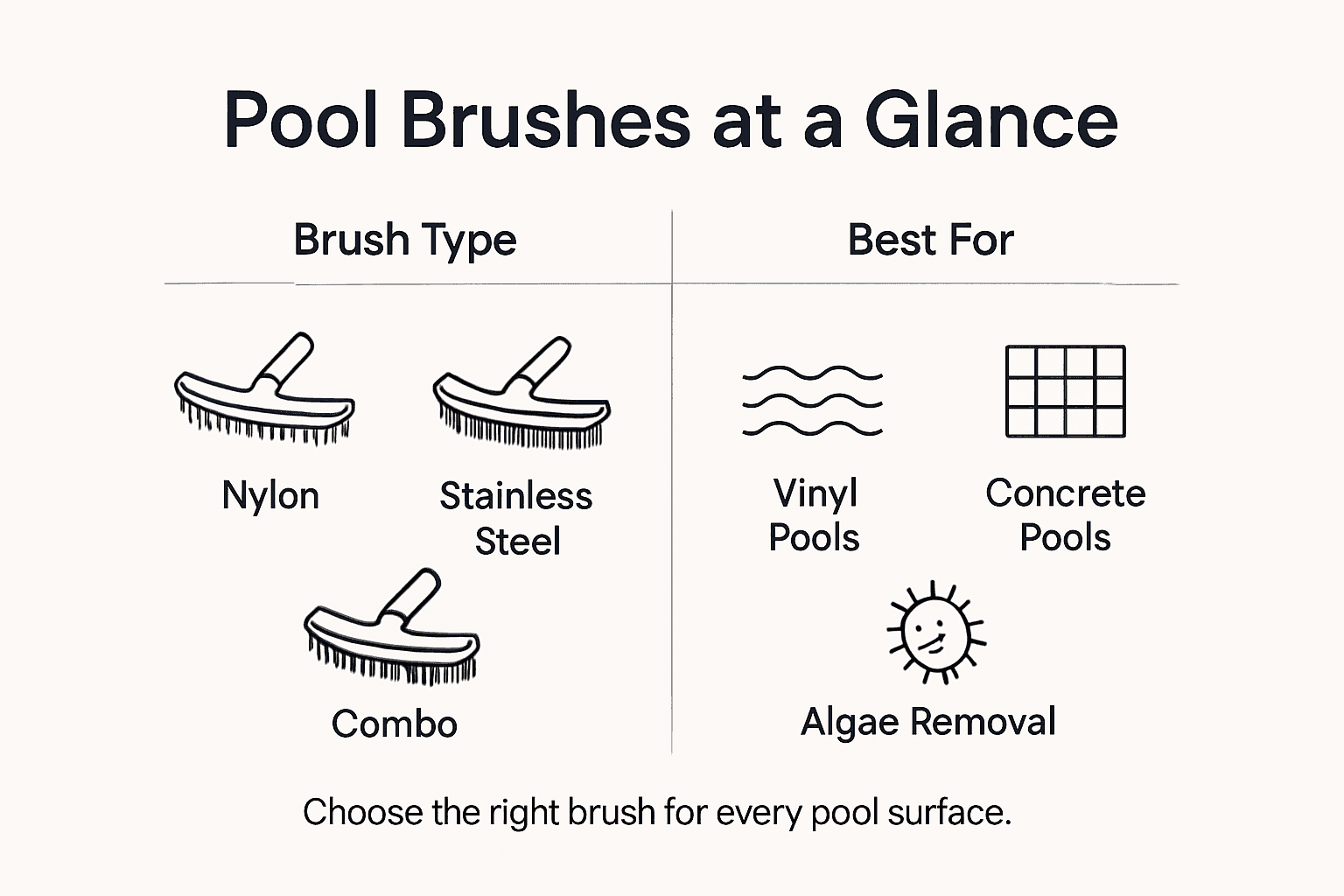
- Nylon Brushes: Ideal for delicate surfaces like vinyl and fibreglass linings
- Stainless Steel Brushes: Designed for robust concrete and plaster pool surfaces
- Combination Brushes: Feature mixed bristle types for versatile cleaning
- Aluminium-Backed Brushes: Lightweight and durable for extended pool maintenance
Each brush type serves a unique purpose in pool maintenance. Nylon brushes provide gentle yet thorough cleaning, preventing scratches on sensitive surfaces. Stainless steel brushes offer more aggressive cleaning power, effectively removing stubborn algae and mineral deposits from harder pool materials. Combination brushes provide flexibility, allowing pool owners to tackle different cleaning challenges with a single tool.
When selecting a pool brush, consider factors such as surface material, pool size, and specific cleaning requirements. Professionals recommend rotating between different brush types to ensure comprehensive maintenance and prevent surface wear. Regular brushing not only maintains aesthetic appeal but also prevents bacterial growth and extends the overall lifespan of your pool or hot tub.
Pro tip: Invest in brushes with telescopic handles to reach difficult areas and maintain proper cleaning posture, reducing physical strain during maintenance.
Here is a comparison of common bristle materials used in pool brushes and their suitability for different pool surfaces:
| Bristle Material | Surface Compatibility | Cleaning Strength | Risk of Surface Damage |
|---|---|---|---|
| Nylon | Vinyl, fibreglass, painted | Gentle but effective | Low risk, very safe |
| Stainless steel | Concrete, plaster, tiled | Highly aggressive | Moderate to high on soft surfaces |
| Combination | Most types, mixed composition | Balanced and adaptable | Low to moderate risk |
Advantages of Regular Pool Brushing
Regular pool brushing is a critical maintenance practice that offers numerous benefits for hot tub and swimming pool owners. According to Health and Safety Executive guidelines, consistent brushing plays a vital role in maintaining water quality, preventing surface degradation, and ensuring optimal pool hygiene.
The primary advantages of regular pool brushing include:
- Algae Prevention: Disrupts potential algae growth before it becomes established
- Surface Protection: Prevents mineral buildup and potential long-term surface damage
- Chemical Distribution: Helps sanitisers spread more evenly across pool surfaces
- Water Circulation: Improves overall water movement and filtration efficiency
- Aesthetic Maintenance: Keeps pool surfaces looking clean and well-maintained
Brushing goes beyond simple cosmetic maintenance. By systematically removing microscopic debris and preventing biofilm formation, you significantly reduce the risk of bacterial growth and potential health hazards. The mechanical action of brushing breaks down potential contaminant layers, making chemical treatments more effective and reducing the overall chemical requirements for your pool or hot tub.
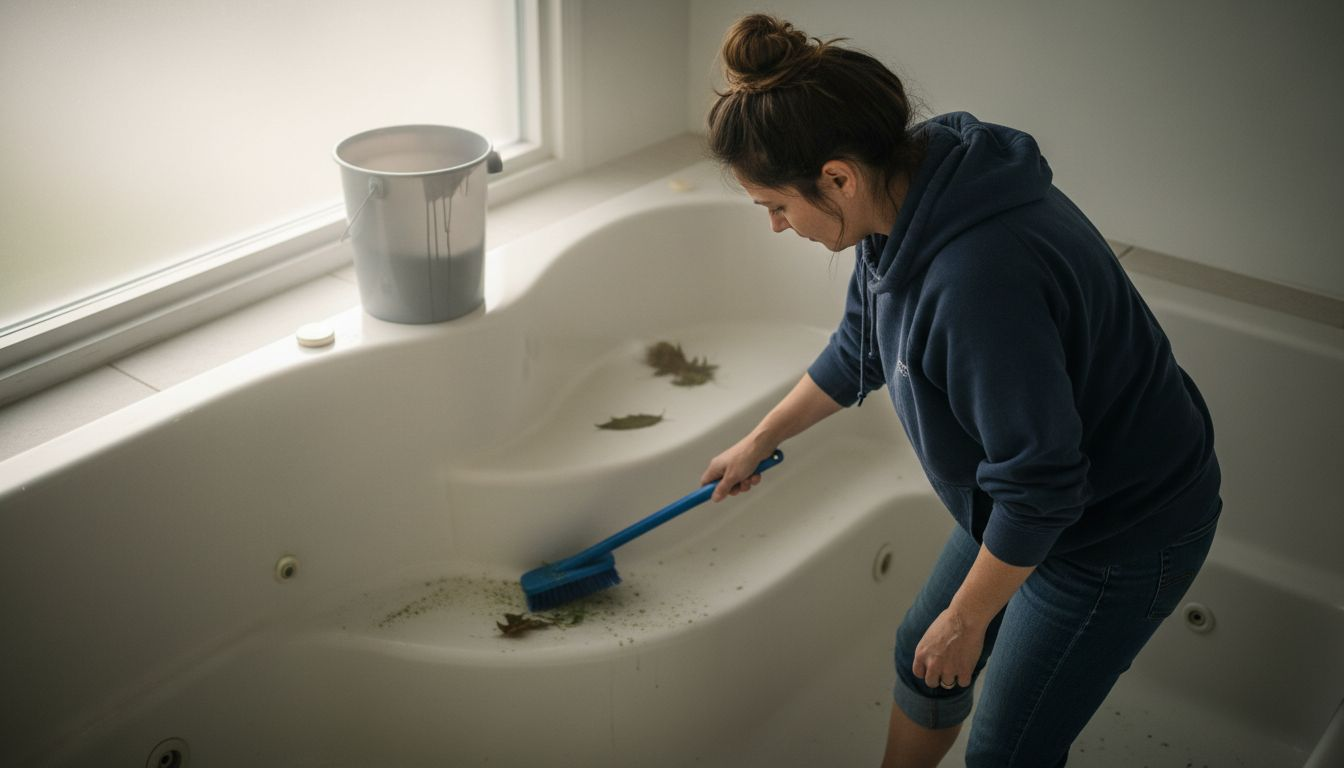
Professional pool maintenance experts recommend establishing a consistent brushing routine, typically 2-3 times per week, depending on usage and environmental conditions. This practice not only extends the lifespan of your pool surfaces but also minimises the potential for costly repairs and deep cleaning treatments in the future.
Pro tip: Develop a systematic brushing technique by starting at the waterline and working downwards in overlapping strokes, ensuring comprehensive coverage and maximum cleaning efficiency.
Choosing and Using the Right Pool Brush
Selecting the appropriate pool brush is crucial for maintaining your hot tub or swimming pool’s surface integrity. Health and Safety Executive guidelines on personal protective equipment highlight the importance of matching brush characteristics to specific surface requirements to prevent potential damage and ensure effective cleaning.
Key considerations when choosing a pool brush include:
- Bristle Material:
- Nylon bristles for delicate surfaces (vinyl, fibreglass)
- Stainless steel bristles for robust surfaces (concrete, tiles)
- Combination bristles for versatile cleaning
- Handle Length: Telescopic handles for reaching difficult areas
- Brush Width: Matching pool surface dimensions
- Mounting Mechanism: Compatibility with existing pool maintenance tools
Professional pool maintenance experts recommend evaluating your specific pool surface before selecting a brush. Soft surfaces like vinyl require gentler brushes with flexible nylon bristles, while concrete and tiled pools can withstand more aggressive stainless steel bristles. The brush’s construction should allow for efficient debris removal without causing surface scratching or unnecessary wear.
Proper brushing technique is equally important as brush selection. Systematic brushing involves working from the waterline downwards, using overlapping strokes to ensure comprehensive surface coverage. Always brush in a consistent direction, paying extra attention to corners, steps, and areas with reduced water circulation to prevent algae and mineral deposit accumulation.
Pro tip: Invest in a brush with interchangeable heads to adapt to different pool surface types and cleaning requirements without purchasing multiple tools.
Common Brushing Mistakes to Avoid
Pool maintenance requires precision and care, and brushing is no exception. According to UK government guidance on maintenance protocols, common brushing mistakes can significantly compromise pool surface integrity and cleaning effectiveness.
The most prevalent brushing errors include:
- Using Incorrect Brush Type:
- Applying stainless steel brushes on delicate vinyl surfaces
- Choosing soft brushes for robust concrete pools
- Failing to match bristle hardness to surface material
- Applying Inappropriate Pressure:
- Scrubbing too aggressively, causing surface scratches
- Using insufficient pressure for thorough cleaning
- Inconsistent Brushing Technique:
- Skipping critical areas like corners and steps
- Brushing in random, unstructured patterns
- Neglecting regular maintenance schedules
Professional pool maintenance experts emphasise the importance of understanding your specific pool surface characteristics. Different materials require tailored approaches, with vinyl surfaces demanding gentler techniques compared to concrete or tiled pools. Overly aggressive brushing can cause microscopic damage that accumulates over time, potentially leading to costly repairs and reduced pool longevity.
Effective pool maintenance requires a systematic approach. This means developing a consistent brushing routine that covers every surface area methodically, uses appropriate pressure, and employs the correct brush type for your specific pool material. Regular inspection and gentle, purposeful cleaning will help preserve your pool’s aesthetic appeal and structural integrity.
Pro tip: Rotate your pool brush periodically and clean its bristles after each use to prevent debris buildup and maintain optimal brushing performance.
Below is a summary of errors to avoid during pool brushing and their potential consequences:
| Mistake | Why It Happens | Possible Consequence |
|---|---|---|
| Incorrect brush type used | Lack of surface knowledge | Scratched or damaged lining |
| Excessive scrubbing pressure | Rushing or improper technique | Micro-cracks and pool wear |
| Inconsistent brushing pattern | Skipping schedule or corners | Algae build-up, missed debris |
Keep Your Hot Tub Sparkling with Expert Care and ClearSpa Solutions
Maintaining your hot tub’s pristine appearance and water quality begins with the right pool brush and proper brushing technique. The article highlights common challenges like selecting the correct bristle type and avoiding damaging scrubbing pressure - both crucial to preventing surface scratches and algae build-up. If brushing correctly and regularly feels overwhelming, remember that combining effective mechanical cleaning with high-quality water treatment products is the key to a truly sparkling hot tub.
Enhance your hot tub maintenance routine with ClearSpa. As a trusted Spa Trade Group Brand, we specialise in premium hot tub chemicals and cleaning essentials designed to complement your brushing efforts. Visit ClearSpa for an expertly curated range of spa essentials that help protect delicate surfaces while maintaining water clarity and hygiene. Don’t wait for costly repairs or dull surfaces - choose the right tools and trusted products today at ClearSpa. Start your journey to effortless hot tub care now and enjoy every relaxing soak with confidence.
Frequently Asked Questions
What are the different types of pool brushes and their uses?
Pool brushes come in various types, including nylon brushes for delicate surfaces like vinyl and fibreglass, stainless steel brushes for more robust surfaces like concrete and plaster, combination brushes for versatile cleaning, and aluminium-backed brushes which are lightweight and durable.
How often should I brush my hot tub or swimming pool?
It is recommended to brush your hot tub or swimming pool at least 2-3 times a week to maintain water quality, prevent algae growth, and ensure optimal hygiene.
What is the best technique for using a pool brush?
Start brushing from the waterline and work downwards using consistent, overlapping strokes. This method helps to ensure comprehensive cleaning coverage and prevents missed spots.
What mistakes should I avoid when brushing my pool?
Common mistakes include using the incorrect type of brush for your pool surface, applying too much or too little pressure while brushing, and having an inconsistent brushing technique that neglects corners and hard-to-reach areas.