No Chlorine Hot Tubs: Gentler Solutions for UK Homes
No chlorine hot tubs offer gentler water, minimise skin irritation, and meet UK safety laws. Discover effective alternatives, usage tips, and health impacts.
Most British hot tub owners are surprised to learn that over 60 percent experience skin irritation due to traditional chlorine treatments. Enjoying your spa should not come with discomfort. As more British families look for gentler, chlorine-free approaches, understanding the realities behind alternative water treatments becomes vital. Discover which modern solutions help reduce harsh chemicals, safeguard your well-being, and bring back true comfort to your home spa routine.
Table of Contents
- No Chlorine Explained For Spa Owners
- Chlorine Alternatives For UK Hot Tubs
- How Chlorine-Free Systems Maintain Safety
- Legal Requirements And Hsg282 Compliance
- Reducing Irritation And Health Concerns
- Common Mistakes With Non-Chlorine Treatments
Key Takeaways
| Point | Details |
|---|---|
| Chlorine is not the only option | While chlorine is a common sanitiser, there are effective alternatives like bromine, mineral systems, and saltwater systems that offer gentler approaches to water treatment. |
| Continuous sanitisation is essential | Hot tubs require ongoing sanitisation to ensure safety; combining multiple methods such as UV light and mineral treatments can optimise water quality. |
| HSG282 compliance is critical | UK hot tub owners must adhere to Health and Safety Guidelines 282, maintaining detailed records and conducting regular assessments to manage legionella risks. |
| Regular testing prevents issues | Consistent monitoring of water chemistry is vital for minimising health risks; investing in quality testing kits and establishing a testing schedule is recommended. |
No chlorine explained for spa owners
Understanding the complexities of hot tub water treatment requires recognising that completely chlorine-free systems are often misunderstood. While many spa owners seek alternatives, chemical-free hot tub claims can be misleading because warm water environments fundamentally require some form of sanitisation to prevent bacterial growth.
Chlorine remains a standard sanitiser due to its powerful disinfecting properties, but it’s not the only option for UK hot tub owners. Alternative treatments like bromine, mineral systems, and advanced oxidation processes offer gentler approaches to water maintenance. These methods can reduce harsh chemical exposure while still maintaining robust microbial control.
The key is understanding that hot tubs need continuous sanitisation. UV light and ozone systems can help reduce contaminants, but they do not provide lasting residual protection. Hot tub owners must implement a balanced approach that combines multiple water treatment strategies to ensure safety, comfort, and minimal chemical irritation.
Pro tip: Consider rotating between multiple sanitisation methods and regularly testing your hot tub water to maintain optimal balance and minimise chemical dependency.
Chlorine alternatives for UK hot tubs
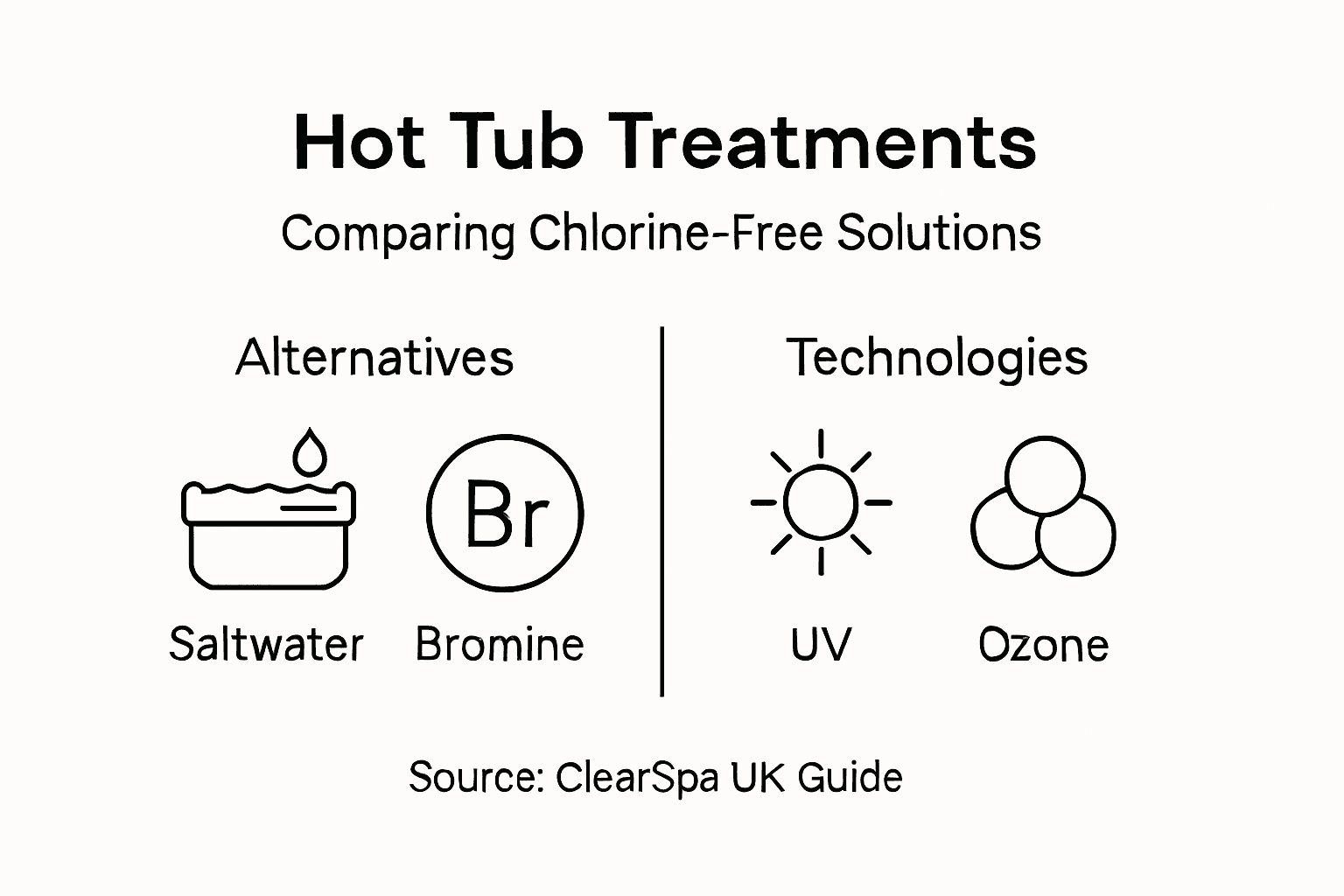
For UK hot tub owners seeking gentler water treatment solutions, saltwater systems offer a compelling alternative to traditional chlorine-based sanitisation. These innovative systems use electrolysis to generate sanitiser from salt, creating a softer water experience with significantly reduced chemical irritation.
Alternative sanitisation methods have expanded dramatically in recent years. Bromine granules provide an effective chlorine substitute, offering excellent bacterial control with less skin and eye irritation. Mineral-based systems using silver and copper ions represent another sophisticated approach, delivering continuous water purification with minimal chemical intervention.
Modern hot tub owners can also explore advanced oxidation technologies like UV and ozone systems. These methods work by neutralising contaminants through powerful light or oxygen-based processes, dramatically reducing the need for traditional chemical treatments. While they cannot completely replace sanitisation, they can substantially minimise chemical usage and improve overall water quality.
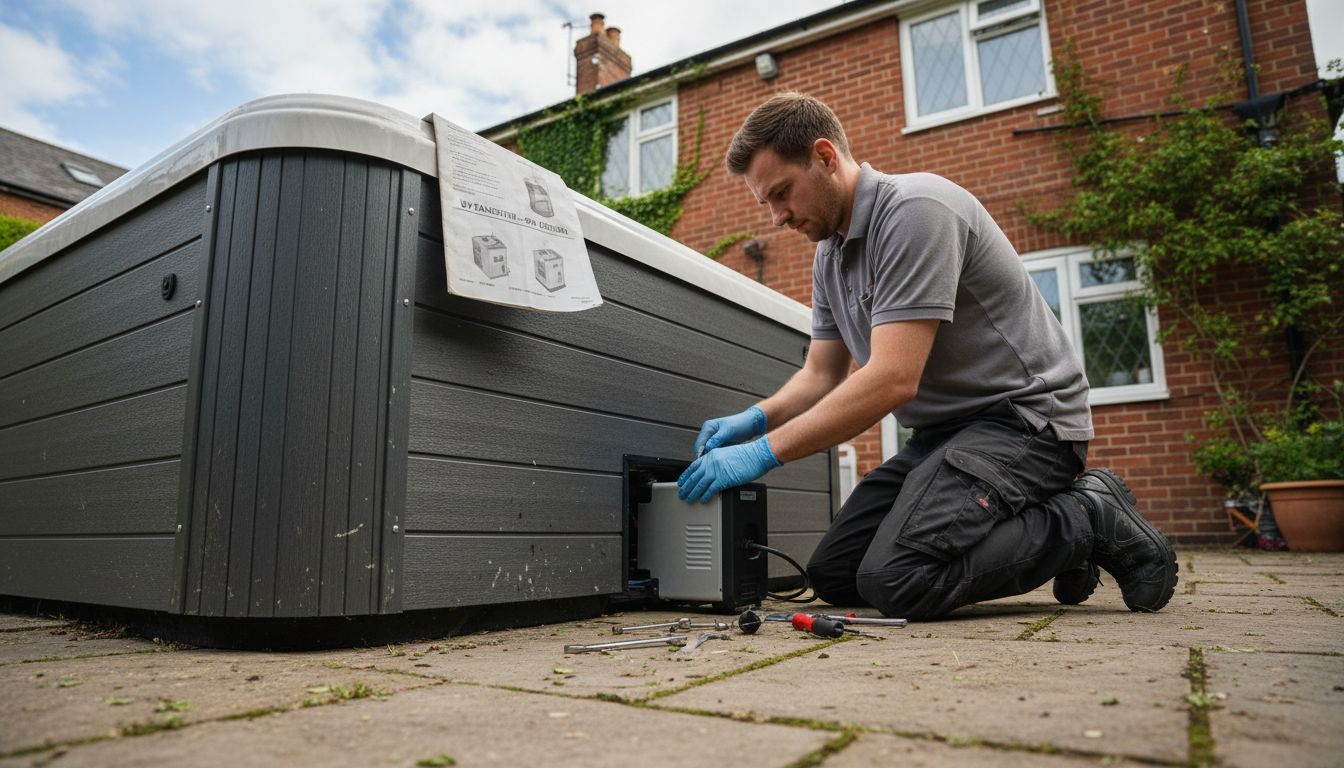
Pro tip: Consider consulting a professional spa technician to design a customised water treatment strategy that balances effectiveness, comfort, and minimal chemical exposure for your specific hot tub setup.
Here’s a comparison of popular chlorine alternatives for hot tubs to help owners decide which system suits their needs:
| Treatment Type | Strengths | Limitations | Best For |
|---|---|---|---|
| Bromine Granules | Effective bacteria control | Can cost more than chlorine | Users with sensitive skin |
| Mineral Systems | Continuous purification | Slow action against heavy loads | Minimal chemical setups |
| Saltwater Systems | Softer water experience | Requires specialist equipment | Reducing irritation |
| UV/Ozone Technologies | Minimal residual chemicals | No lasting protection | Supplementary treatment |
How chlorine-free systems maintain safety
Alternative sanitisation systems require strategic approaches to ensure water safety and prevent bacterial contamination. While technologies like UV and ozone treatment can oxidise contaminants during water circulation, they cannot provide continuous protection between hot tub uses.
Residual sanitisation remains crucial for maintaining hygienic water conditions. Bromine and mineral-based systems offer more gentle alternatives to traditional chlorine, providing ongoing microbial control with reduced chemical intensity. These innovative approaches work by releasing low-level sanitising agents that continue to neutralise potential pathogens throughout the hot tub’s usage cycle.
Multi-stage water treatment represents the most effective strategy for chlorine-free hot tub maintenance. By combining oxidation technologies with targeted sanitisation methods, hot tub owners can achieve comprehensive water purification. This approach typically involves using multiple complementary systems: UV light for initial contaminant reduction, mineral ionisation for ongoing bacterial control, and periodic shock treatments to eliminate any remaining microorganisms.
Pro tip: Invest in a reliable water testing kit to regularly monitor your hot tub’s sanitisation levels and adjust your treatment strategy accordingly.
Legal requirements and HSG282 compliance
Health and Safety Guidelines 282 (HSG282) represents the definitive regulatory framework for managing legionella risks in spa and hot tub environments. This comprehensive guidance establishes strict protocols for water treatment, emphasising the critical importance of maintaining safe water conditions to prevent bacterial proliferation.
The HSG282 guidelines mandate several key compliance requirements for hot tub operators. Risk assessment is paramount, requiring detailed documentation of water management strategies, regular testing protocols, and comprehensive maintenance records. Operators must implement systematic approaches to water treatment, including precise monitoring of chemical balance, temperature control, and systematic sanitisation procedures.
Under these regulations, hot tub owners must demonstrate proactive management of potential health risks. This involves developing detailed risk management plans, maintaining accurate treatment logs, and ensuring regular professional water quality assessments. The guidelines specifically highlight the importance of understanding water chemistry, implementing effective cleaning procedures, and maintaining comprehensive documentation of all water treatment activities.
Pro tip: Consult a professional legionella risk assessor annually to ensure your hot tub fully complies with HSG282 requirements and maintains the highest standards of water safety.
The following table summarises essential HSG282 compliance requirements for UK hot tub owners:
| Requirement | What It Involves | Impact on Safety |
|---|---|---|
| Risk Assessment | Documenting water strategies | Prevents bacterial risks |
| Record Keeping | Logs of maintenance and tests | Enables traceability |
| Chemical Monitoring | Frequent chemical balancing | Ensures water is sanitised |
| Professional Review | Annual expert assessment | Maintains regulatory adherence |
Reducing irritation and health concerns
Proper chemical management is crucial for minimising skin irritation and health risks associated with hot tub water treatment. Individuals with sensitive skin or chemical allergies require carefully balanced water chemistry that maintains sanitation without causing adverse reactions.
Non-chlorine oxidation systems represent a significant advancement in reducing potential health concerns. Mineral-based sanitisers and alternative treatment methods like silver and copper ionisation provide effective bacterial control with minimal skin and respiratory irritation. These innovative approaches work by delivering gentler sanitisation processes that eliminate harmful microorganisms while preserving water quality and user comfort.
Comprehensive water management involves more than just selecting the right sanitisation method. pH balance plays a critical role in preventing skin and eye irritation, with optimal levels typically ranging between 7.2 and 7.6. Hot tub owners should invest in high-quality water testing equipment, regularly monitor chemical levels, and adjust treatments to maintain a balanced, comfortable environment that minimises potential health risks and maximises user experience.
Pro tip: Conduct a patch test with new water treatment systems and monitor your body’s reaction, gradually introducing alternative sanitisation methods to identify the most comfortable solution for your skin.
Common mistakes with non-chlorine treatments
Chlorine dioxide treatments can be complex, and many hot tub owners make critical errors when transitioning to alternative sanitisation methods. One of the most prevalent mistakes is assuming that non-chlorine systems require no maintenance or monitoring, which can lead to rapid bacterial growth and compromised water quality.
Inadequate testing represents another significant pitfall for UK hot tub owners. Alternative sanitisation methods like mineral ionisation and UV systems demand precise and frequent water quality assessments. Many users mistakenly believe these systems operate autonomously, neglecting regular pH balance checks, mineral concentration measurements, and overall water chemistry monitoring.
Overreliance on a single treatment method often leads to ineffective water management. Successful non-chlorine hot tub maintenance requires a multi-layered approach combining different sanitisation technologies. Hot tub owners must understand that no single system provides complete protection, and rotating between oxidation methods, mineral treatments, and periodic shock treatments is essential for comprehensive water hygiene.
Pro tip: Invest in a comprehensive water testing kit specifically designed for alternative sanitisation systems and establish a regular testing schedule to catch potential issues before they become serious problems.
Discover Gentler Water Treatment Solutions with ClearSpa
Many UK hot tub owners struggle with balancing effective sanitisation and avoiding harsh chemical irritation. This article highlights the importance of continuous sanitisation, proper water testing, and multi-stage treatment methods such as mineral systems, UV, and ozone technologies. At ClearSpa, we understand your concern for maintaining safe, comfy, and chlorine-free water environments through expert water chemistry management and advanced products.
Enhance your hot tub experience with ClearSpa’s extensive range of water treatment products designed for gentler sanitisation and improved water quality. Whether you are looking for mineral-based sanitisers, alternative oxidation treatments, or reliable water testing kits, we offer quality solutions tailored for UK homes. Visit ClearSpa today to explore our selection and take control of your hot tub water care with trusted products that support effective bacteria control and user comfort.
Make the switch to healthier hot tub water now and enjoy every soak with confidence. Browse our range at ClearSpa and start your journey towards softer, safer, and cleaner water today.
Frequently Asked Questions
What are the alternative sanitisation methods for hot tubs?
Alternative sanitisation methods for hot tubs include bromine granules, mineral systems, saltwater systems, and advanced oxidation technologies like UV and ozone systems. Each offers unique benefits for water treatment and can reduce chemical irritation.
How can I maintain safe water conditions in a chlorine-free hot tub?
To maintain safe water conditions, implement a multi-stage water treatment approach combining oxidation technologies with targeted sanitisation methods. Regularly test your water, use mineral ionisation, and perform periodic shock treatments to ensure comprehensive protection against bacteria.
What should I consider when using a saltwater system for my hot tub?
When using a saltwater system, consider the need for specialist equipment for electrolysis. While it provides softer water and reduces chemical irritation, regular maintenance and monitoring of salt levels are necessary to ensure effective sanitation.
How does HSG282 compliance affect hot tub owners?
HSG282 compliance is essential for managing legionella risks in hot tubs. It requires regular risk assessments, detailed record-keeping of water treatment, and professional reviews to ensure the highest standards of water safety and sanitation.